Cesky Terrier vs Schapendoes
Side-by-side comparison across all 14 AKC trait ratings, with a clear verdict on which breed fits which kind of household.

Not sure which breed fits your life?
Answer five questions about your home, your schedule, and your tolerance for shedding. We’ll match you to your top three breeds from over 200.
Cesky Terrier vs Schapendoes
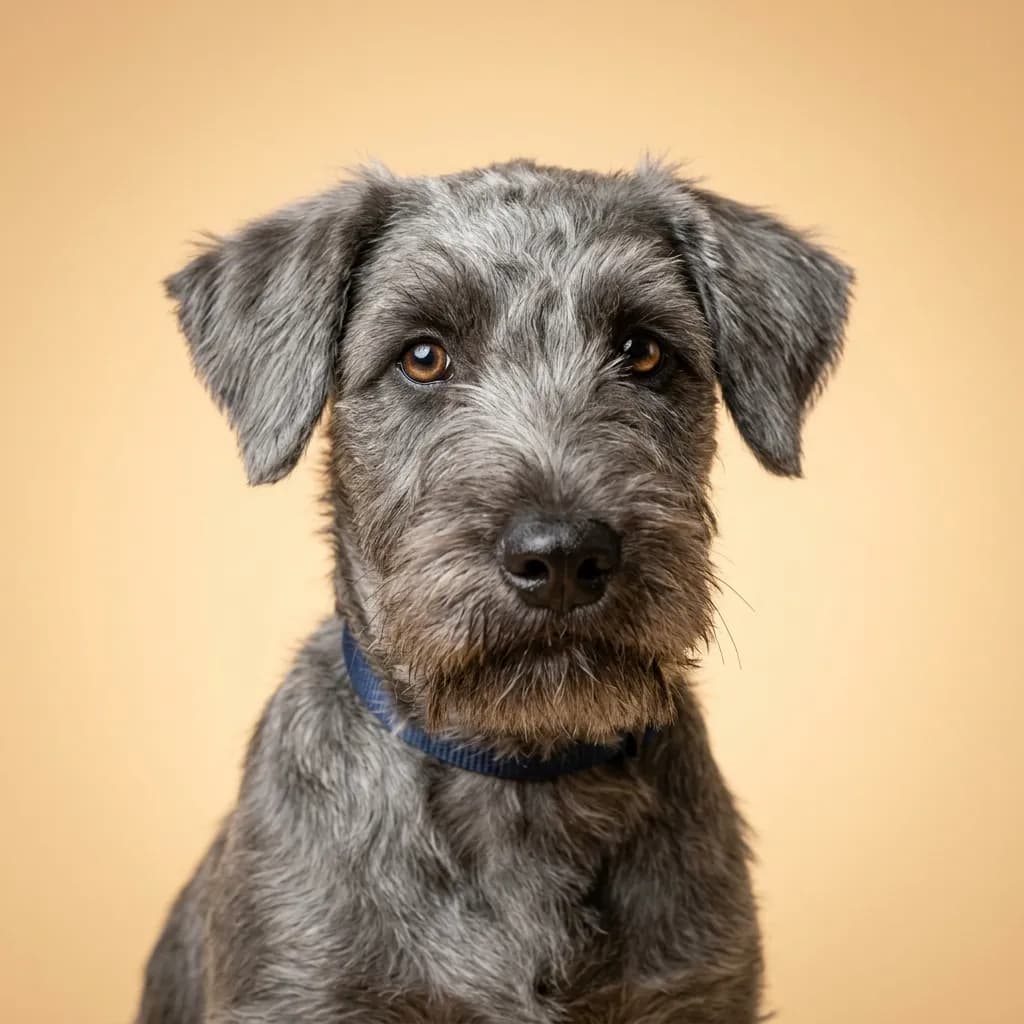
People compare Cesky Terriers and Schapendoes because both are rare, medium-sized dogs with shaggy coats and a loyal streak, but that’s where the similarities end. Think of the Cesky as the quiet book lover curled up on your apartment couch, and the Schapendoes as the energetic grad student training for a marathon while studying abroad. The Cesky is compact, gentle, and built for life with families who want a calm, affectionate dog. At 14 to 24 pounds, it fits easily into smaller homes and handles routine changes well. It’s the kind of dog that’ll nap while you work and then enjoy a quiet evening walk. It’s great with kids, doesn’t bark constantly, and only needs moderate mental stimulation. But don’t skip grooming. its long coat tangles fast. and remember, it was bred to chase small animals, so pet mice or hamsters aren’t a great idea. The Schapendoes is nearly double the size, with energy that doesn’t quit. This is a dog that needs jobs, preferably outdoors. Bred to herd sheep across open fields, it thrives on agility courses, hiking trails, or any activity that challenges its sharp mind. It’s affectionate and eager to please. trainability is off the charts. but it demands time. If you’re inactive or live in a studio apartment, this won’t work. And while it’s friendly with kids, its herding instinct can kick in, leading to nipping or chasing. Here’s the real insight: the Cesky fits into your life. The Schapendoes reshapes your life around it. Choose the Cesky if you want a rare, low-shedding companion who’s happy to tag along. Pick the Schapendoes only if you’re ready to become a dog sport parent.
Trait-by-trait
Higher bar = more of that trait. Shedding, barking, drooling, grooming flipped for readability.Where they diverge
Choose the Cesky Terrier if…
- Apartment living
- Families with children
- Less active individuals
- You value good with young children — Cesky Terrier scores noticeably higher.
Choose the Schapendoes if…
- active families
- agility and herding sport enthusiasts
- experienced herding breed owners
- You value good with other dogs — Schapendoes scores higher here.