Chesapeake Bay Retriever vs Greyhound
Side-by-side comparison across all 14 AKC trait ratings, with a clear verdict on which breed fits which kind of household.

Not sure which breed fits your life?
Answer five questions about your home, your schedule, and your tolerance for shedding. We’ll match you to your top three breeds from over 200.
Chesapeake Bay Retriever vs Greyhound
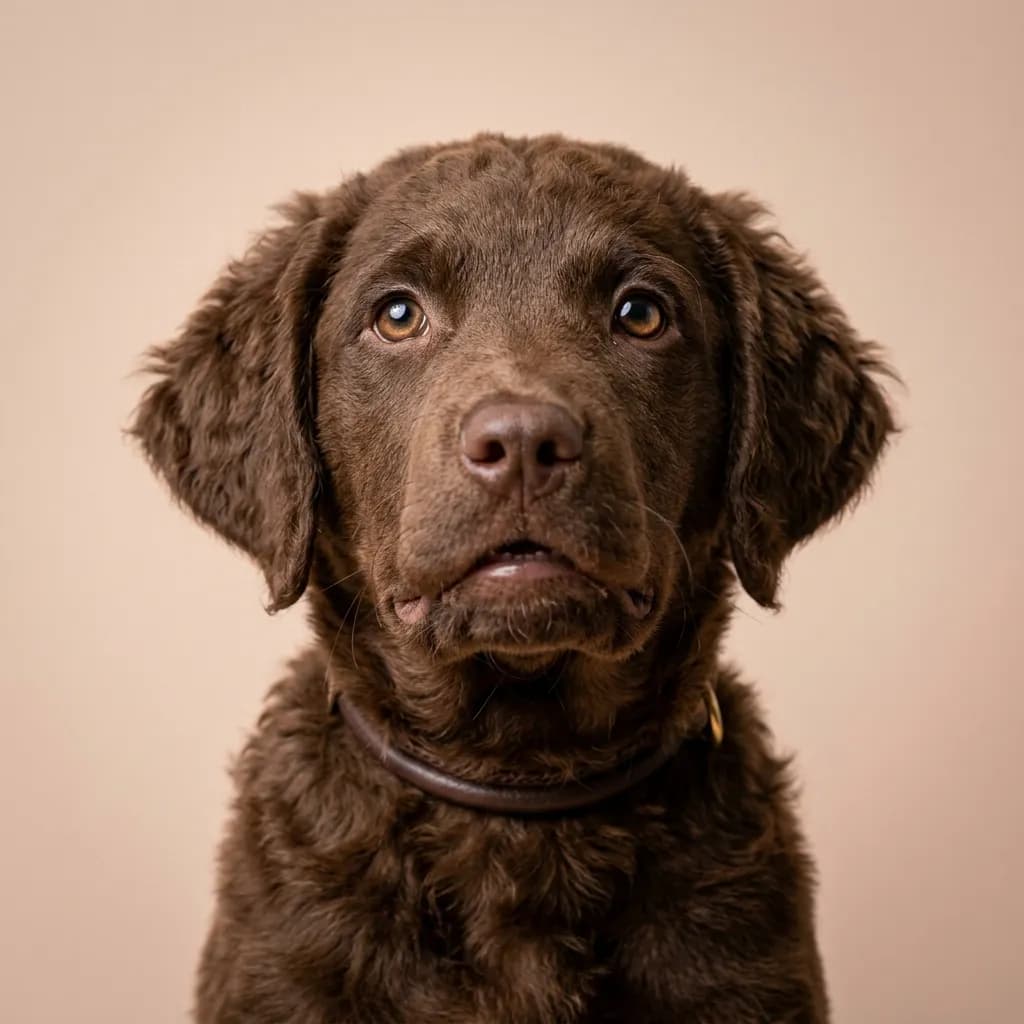
People compare Chesapeake Bay Retrievers and Greyhounds because they’re both large dogs with short coats and surprising couch-potato tendencies indoors. But that’s where the similarities end. These breeds come from entirely different worlds, and picking between them isn’t about size or shedding. it’s about rhythm of life. The Chessie is a working soul. Bred to plunge into icy Chesapeake waves and haul ducks back to hunters, this dog thrives on purpose. It’s deeply affectionate with its family, yes, but it’s also sensitive and needs consistent training. You’ll need time for vigorous exercise, mental challenges, and grooming that weekly oily coat. It’s not the best fit if you’re gone all day or live in a condo. This isn’t a dog you casually adopt. The Greyhound, in contrast, is the ultimate irony. A sprinter built for 45 mph bursts, it spends most days asleep at your feet. Indoors, it’s quiet, gentle, and oddly delicate. Its short coat barely sheds, and it’s content with a daily stroll. Many come from racing backgrounds and are already house-trained, making adoption a surprisingly smooth path. But don’t be fooled. its prey drive is sky-high. That squirrel in the yard? It’s dinner in its eyes. The real difference isn’t energy. it’s focus. Chessies want to work with you. Greyhounds tolerate you, affectionately, as long as you respect their space. Here’s the insight no chart tells you: Greyhounds are emotionally resilient. Chessies feel your mood like a current. If you’re stressed, they’ll mirror it. So if your home is loud or chaotic, the Greyhound might actually be the steadier companion, despite its racing heart.
Trait-by-trait
Higher bar = more of that trait. Shedding, barking, drooling, grooming flipped for readability.Where they diverge
Choose the Chesapeake Bay Retriever if…
- Active families
- Hunters and waterfowlers
- Cold and wet climate owners
- You value coat grooming — Chesapeake Bay Retriever scores noticeably higher.
Choose the Greyhound if…
- Apartment dwellers (surprisingly calm indoors)
- Adoption-minded owners (many ex-racers)
- Low-maintenance coat owners
- You value good with other dogs — Greyhound scores higher here.