Chesapeake Bay Retriever vs Pointer
Side-by-side comparison across all 14 AKC trait ratings, with a clear verdict on which breed fits which kind of household.

Not sure which breed fits your life?
Answer five questions about your home, your schedule, and your tolerance for shedding. We’ll match you to your top three breeds from over 200.
Chesapeake Bay Retriever vs Pointer
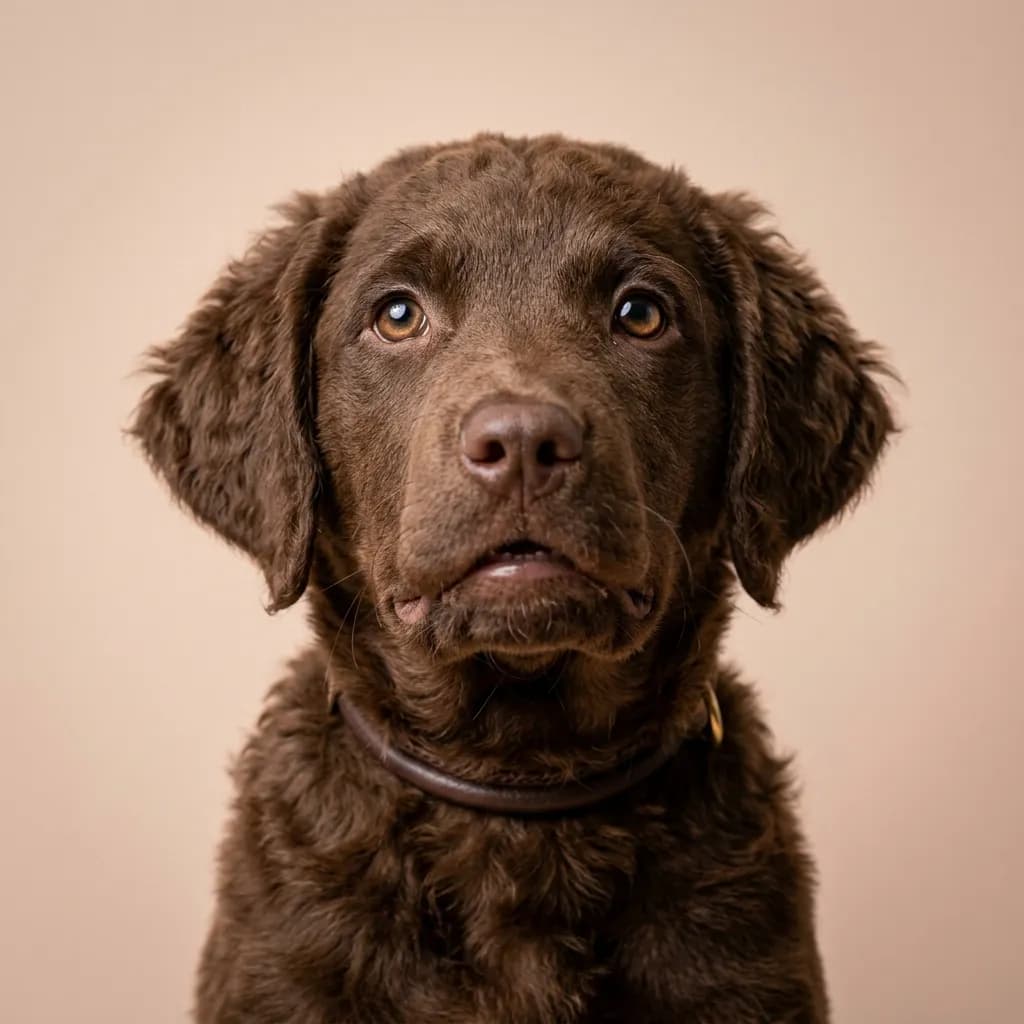
People compare Chessies and Pointers because they’re both high-drive sporting dogs with serious jobs behind their eyes, but they’re built for different kinds of energy and weather. If you’re trying to decide between them, you’re probably an active person who wants a dog that thrives outside. maybe even in the field. but you need to know which kind of partnership will actually work day to day. The Chesapeake Bay Retriever is a tough, weatherproof tank. That dense, oily coat shrugs off ice water, and their personality is just as resilient. affectionate with their family but reserved with strangers. They’re sensitive underneath, though, and don’t do well with harsh handling. A Chessie wants a job, especially in or near water, and they bond fiercely with active families in colder climates. They’re adaptable, but only if you’re moving too. The Pointer is pure motion. Lean, intense, and built for speed, they live to run and find birds. Their loyalty is deep but active. you’ll earn it on miles of trail, not on the couch. They’re more naturally outgoing than Chessies, but they need space and stamina to burn. Apartment life? No. But if you’re out hiking, hunting, or doing dog sports daily, they’ll be your shadow. Here’s the real talk: both are trainable and energetic, but a Pointer will always need more physical space and faster-paced outlets. A Chessie can settle after a solid outing, but they’ll hold onto grudges if trained with force. The insight? If you love the idea of a hunting dog but don’t actually hunt, a Chessie can pivot to other jobs or family adventures. A Pointer without a purpose starts to unravel. boredom turns into obsessive pacing or destruction. Pick the Pointer if you run hard. Pick the Chessie if you work hard in all kinds of weather.
Trait-by-trait
Higher bar = more of that trait. Shedding, barking, drooling, grooming flipped for readability.Where they diverge
Choose the Chesapeake Bay Retriever if…
- Active families
- Hunters and waterfowlers
- Cold and wet climate owners
- You value coat grooming — Chesapeake Bay Retriever scores noticeably higher.
Choose the Pointer if…
- Active families
- Hunters and field sport enthusiasts
- Outdoor and running enthusiasts
- You value good with other dogs — Pointer scores higher here.