Chesapeake Bay Retriever vs Toy Poodle
Side-by-side comparison across all 14 AKC trait ratings, with a clear verdict on which breed fits which kind of household.

Not sure which breed fits your life?
Answer five questions about your home, your schedule, and your tolerance for shedding. We’ll match you to your top three breeds from over 200.
Chesapeake Bay Retriever vs Toy Poodle
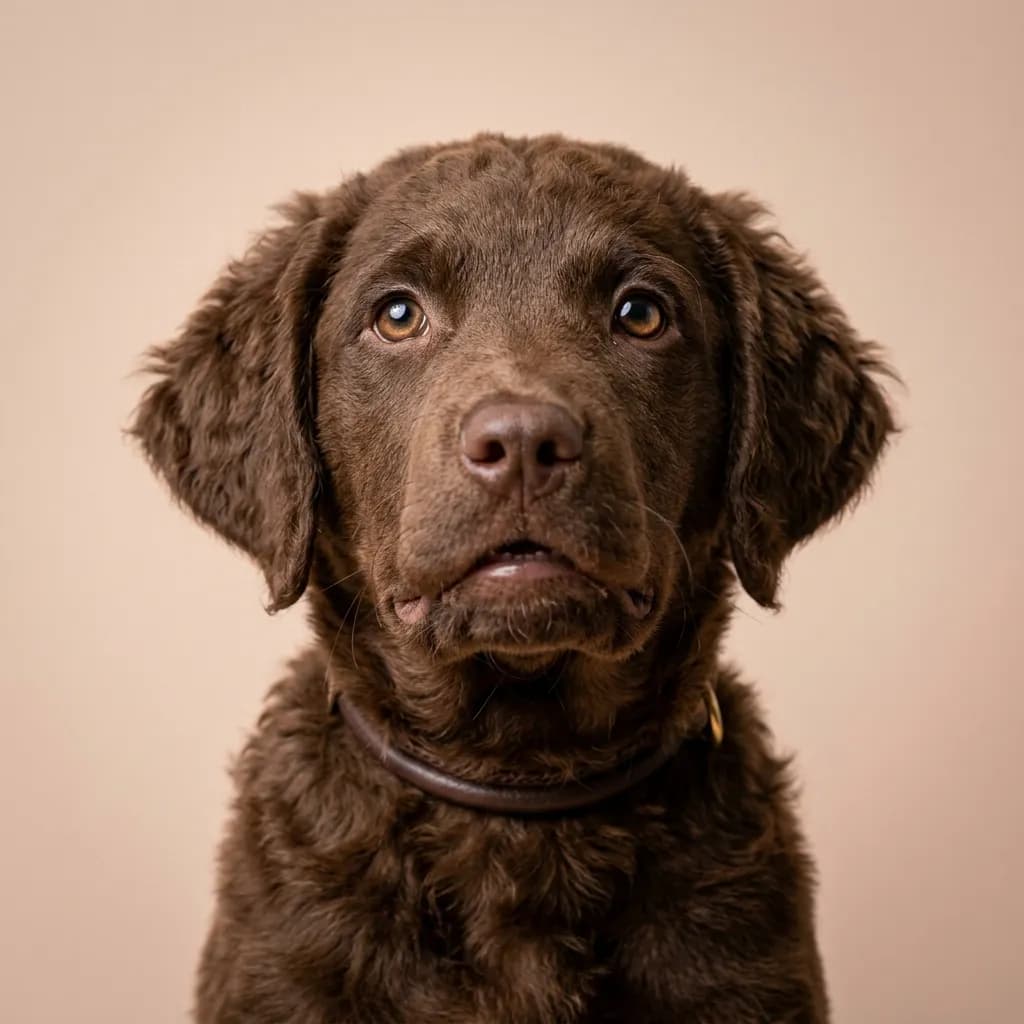
You wouldn’t think someone would compare a rugged duck-hunting retriever built for icy waves with a tiny, primped toy bred for circus tricks and lap cuddles. But here we are. people do it, usually because they’re drawn to two things: intelligence and loyalty. Both breeds rank high in trainability and affection, and both are seriously bright. That’s where the similarities end. The Chessie is a powerhouse. At 55 to 80 pounds, it’s built for work. strong, weather-resistant coat, relentless energy, and a soft spot for its family. It thrives when it has a job, especially near water. You need space, time, and a tolerance for muddy paws on your couch. It’s not for someone who hates shedding or lives in a studio apartment. And while it’s great with kids, its size and playfulness can knock over toddlers. The Toy Poodle, meanwhile, weighs as much as a heavy bag of dog food. just 4 to 6 pounds. and fits in a tote bag. It’s clever, alert, and barks more readily, making it a surprisingly effective little watchdog. It’s low-shedding, so it’s a go-to for allergy sufferers, but that hypoallergenic coat demands regular grooming. No skipping trims here. Choose the Chessie if you’re active, live near water or cold weather, and want a loyal, working partner. Choose the Toy Poodle if you’re in an apartment, travel often, or need a dog that fits in your life without needing a yard or daily swims. Here’s the real talk: the Toy Poodle may look delicate, but it’s got the mental drive of a Chessie packed into a tiny frame. It needs puzzles, training, and engagement just as much. A bored Toy Poodle is a destructive one. Don’t mistake size for low maintenance.
Trait-by-trait
Higher bar = more of that trait. Shedding, barking, drooling, grooming flipped for readability.Where they diverge
Choose the Chesapeake Bay Retriever if…
- Active families
- Hunters and waterfowlers
- Cold and wet climate owners
- You value shedding level — Chesapeake Bay Retriever scores noticeably higher.
Choose the Toy Poodle if…
- Apartment living
- Allergy sufferers
- Seniors
- You value good with young children — Toy Poodle scores higher here.