Chinese Shar-Pei vs Great Pyrenees
Side-by-side comparison across all 14 AKC trait ratings, with a clear verdict on which breed fits which kind of household.
Not sure which breed fits your life?
Answer five questions about your home, your schedule, and your tolerance for shedding. We’ll match you to your top three breeds from over 200.
Chinese Shar-Pei vs Great Pyrenees
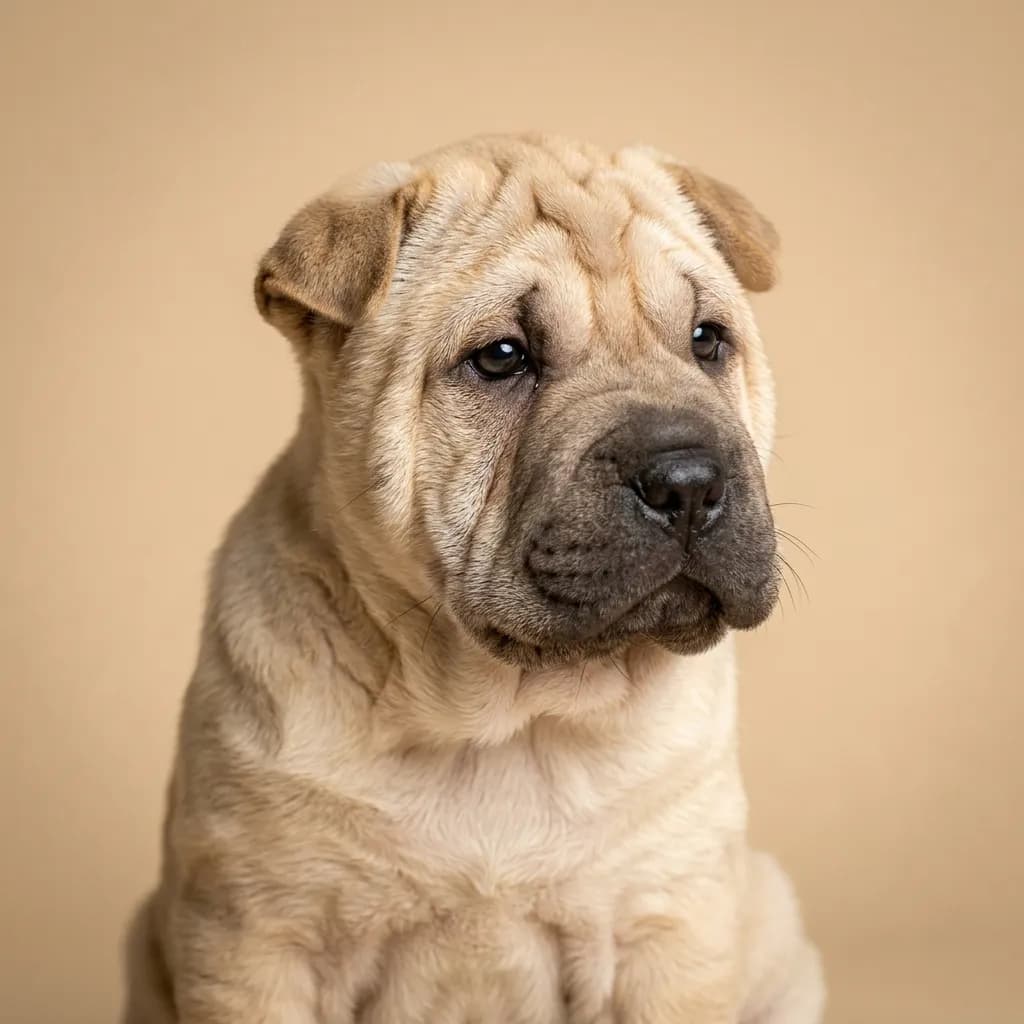
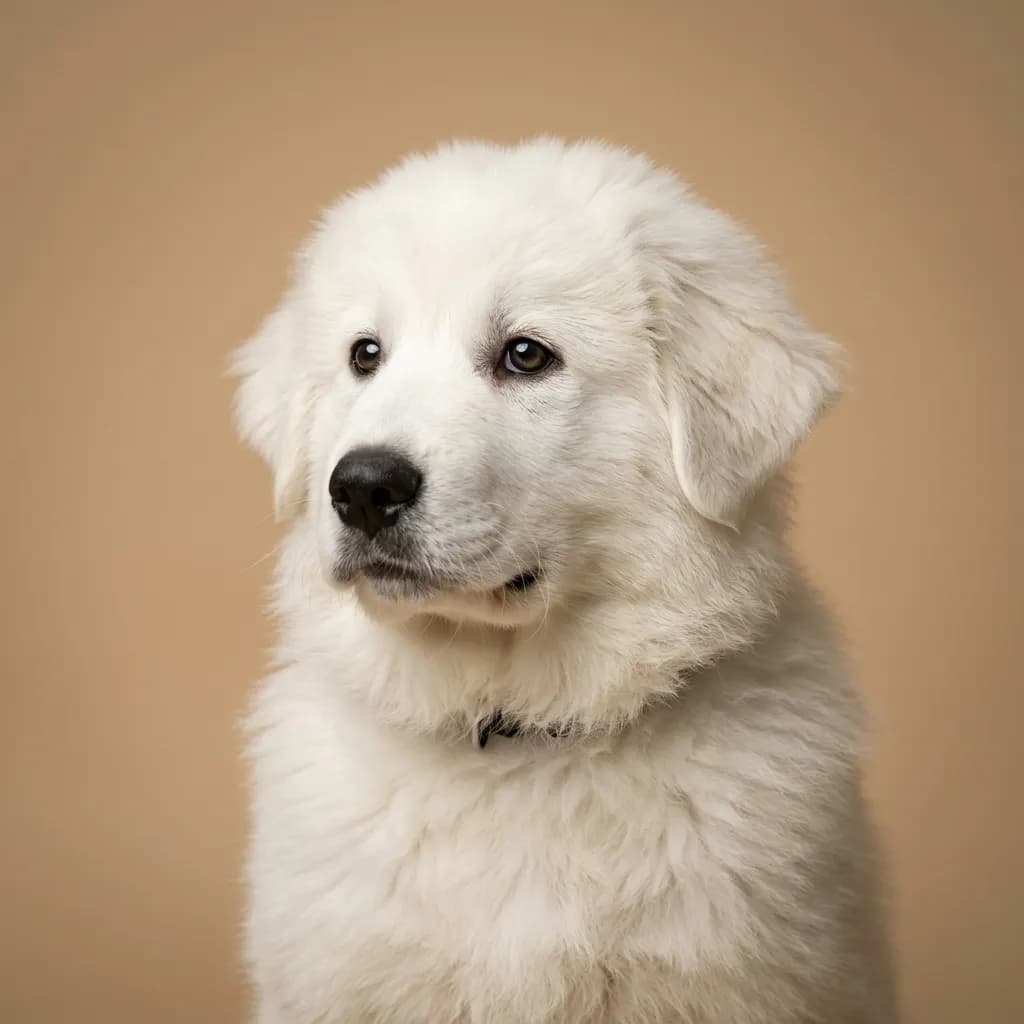
You wouldn’t think someone would compare a wrinkly, compact Shar-Pei with a massive, fluffy Great Pyrenees. until you see both lounging like stone statues in a backyard, calm as monks. People line them up because both are independent, calm dogs with guarding instincts and a flair for solitude. But that’s where the peace ends. The Shar-Pei is like that stoic friend who loves you deeply but won’t hold your hand at a party. He’s loyal to one household, suspicious of strangers, and happiest when he’s your shadow in a quiet home. You’ll need a yard, not for runs. he’s no athlete. but for his pride. He’s tough to train, prone to skin issues in those folds, and can be snarky with other dogs. If you’re a first-time owner wanting a cuddly social butterfly, run. The Great Pyrenees is the gentle giant who’d rather sleep on a porch than follow you into town. Bred to guard sheep alone in freezing mountains, he’s got thick double coats, a deep bark, and a mind of his own. He’s incredibly affectionate with family, especially kids, but good luck calling him back once he’s on patrol. This dog needs space, cold weather, and a job. otherwise, he’ll turn into a bored, shedding avalanche. Here’s the real talk: both are stubborn, but for different reasons. The Shar-Pei’s independence comes from centuries of working alone in tight spaces; the Pyrenees was making life-or-death calls at 10,000 feet. You don’t command them. You negotiate. Pick the Shar-Pei if you want a low-energy, intensely loyal companion and can manage health quirks and aloofness. Choose the Pyrenees if you’ve got land, cold winters, and need a calm presence who’ll actually work. Just know. neither’s coming when called. And neither cares.
Trait-by-trait
Higher bar = more of that trait. Shedding, barking, drooling, grooming flipped for readability.Where they diverge
Choose the Chinese Shar-Pei if…
- Experienced dog owners
- Homeowners with fenced yards
- Those wanting a loyal guard dog
- You value adaptability — Chinese Shar-Pei scores noticeably higher.
Choose the Great Pyrenees if…
- Livestock guardians
- Rural or farm living
- Families with children
- You value affectionate w/ family — Great Pyrenees scores higher here.