Chinese Shar-Pei vs Kishu Ken
Side-by-side comparison across all 14 AKC trait ratings, with a clear verdict on which breed fits which kind of household.
Not sure which breed fits your life?
Answer five questions about your home, your schedule, and your tolerance for shedding. We’ll match you to your top three breeds from over 200.
Chinese Shar-Pei vs Kishu Ken
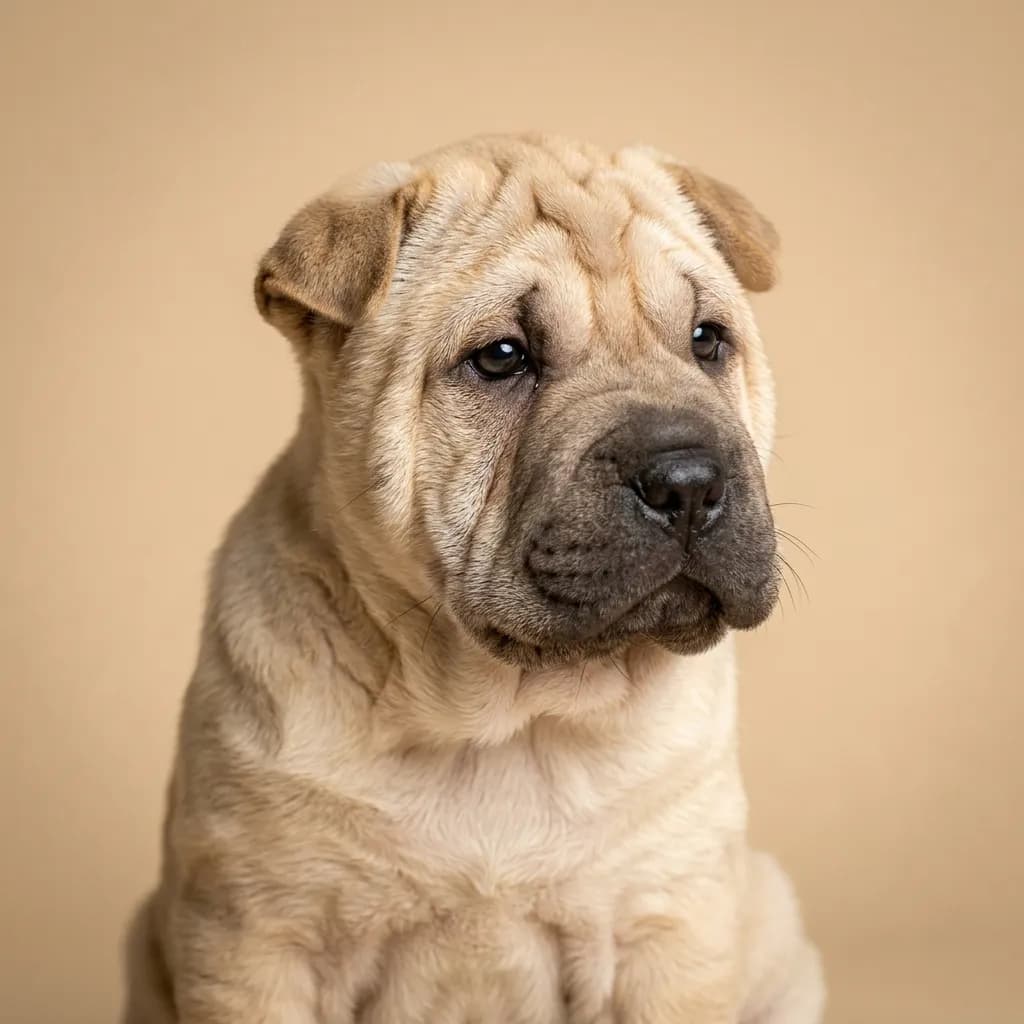
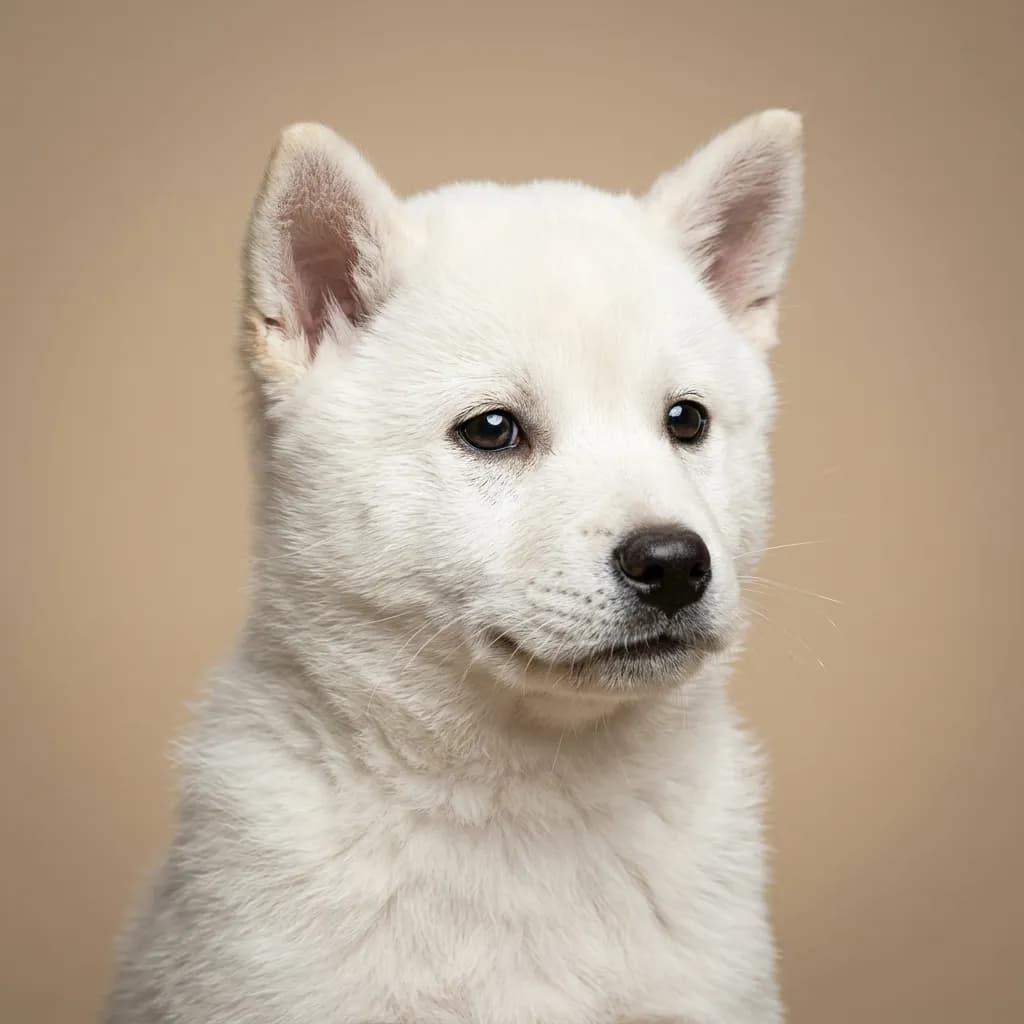
You don’t see a lot of Shar-Peis or Kishu Kens at the dog park, and that’s the first clue they’re not your average breeds. People compare them because they’re both rare, independent, and look like they stepped out of another era. But that’s where the similarities fade. The Shar-Pei feels like a grumpy old man who secretly loves you. He’s loyal to one person, tolerates kids, and will bark if something’s off. but mostly, he’ll nap in the sun, folds baking in the warmth. He adapts well to different homes as long as he has a yard and a calm routine. His health issues are no joke, though. Shar-Pei fever and skin infections mean vet bills can pile up fast. You’ll need patience, deep pockets, and the ability to clean wrinkles weekly. The Kishu Ken is different. He’s a mountain dog built for cold and quiet. Think of him as a Japanese pointer with the soul of a monk. calm indoors, but lock onto a squirrel and he’s gone. They rarely bark, which sounds great until you realize they won’t alert you to danger either. They’re not unfriendly, just reserved, and they need space, ideally rural, with a job or serious hiking to burn that mental energy. If you’re a first-time owner, skip both. But if you’re experienced and want a deeply loyal shadow, the Shar-Pei might be your guy. just commit to the upkeep. If you’re active, live in the country, and want a noble, quiet partner with intense focus, the Kishu Ken could be magic. Here’s the real talk: both breeds will outlive your expectations if cared for well, but the Kishu’s stoic silence can feel like distance. The Shar-Pei’s surliness is just personality. The Kishu’s aloofness? That’s instinct. You don’t own him. You earn him.
Trait-by-trait
Higher bar = more of that trait. Shedding, barking, drooling, grooming flipped for readability.Where they diverge
Choose the Chinese Shar-Pei if…
- Experienced dog owners
- Homeowners with fenced yards
- Those wanting a loyal guard dog
- You value drooling level — Chinese Shar-Pei scores noticeably higher.
Choose the Kishu Ken if…
- Experienced dog owners
- Active owners
- Cold climates
- You value good with strangers — Kishu Ken scores higher here.