Chinese Shar-Pei vs Samoyed
Side-by-side comparison across all 14 AKC trait ratings, with a clear verdict on which breed fits which kind of household.
Not sure which breed fits your life?
Answer five questions about your home, your schedule, and your tolerance for shedding. We’ll match you to your top three breeds from over 200.
Chinese Shar-Pei vs Samoyed
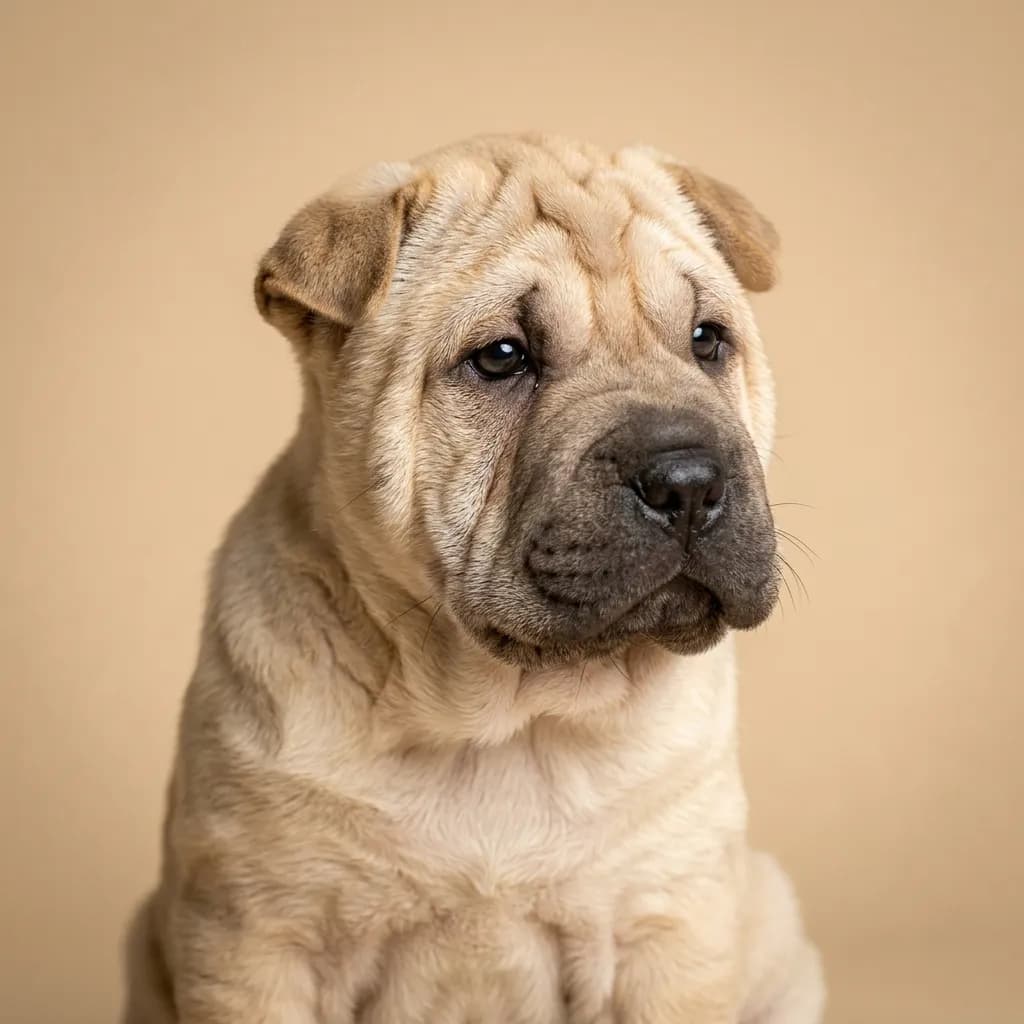
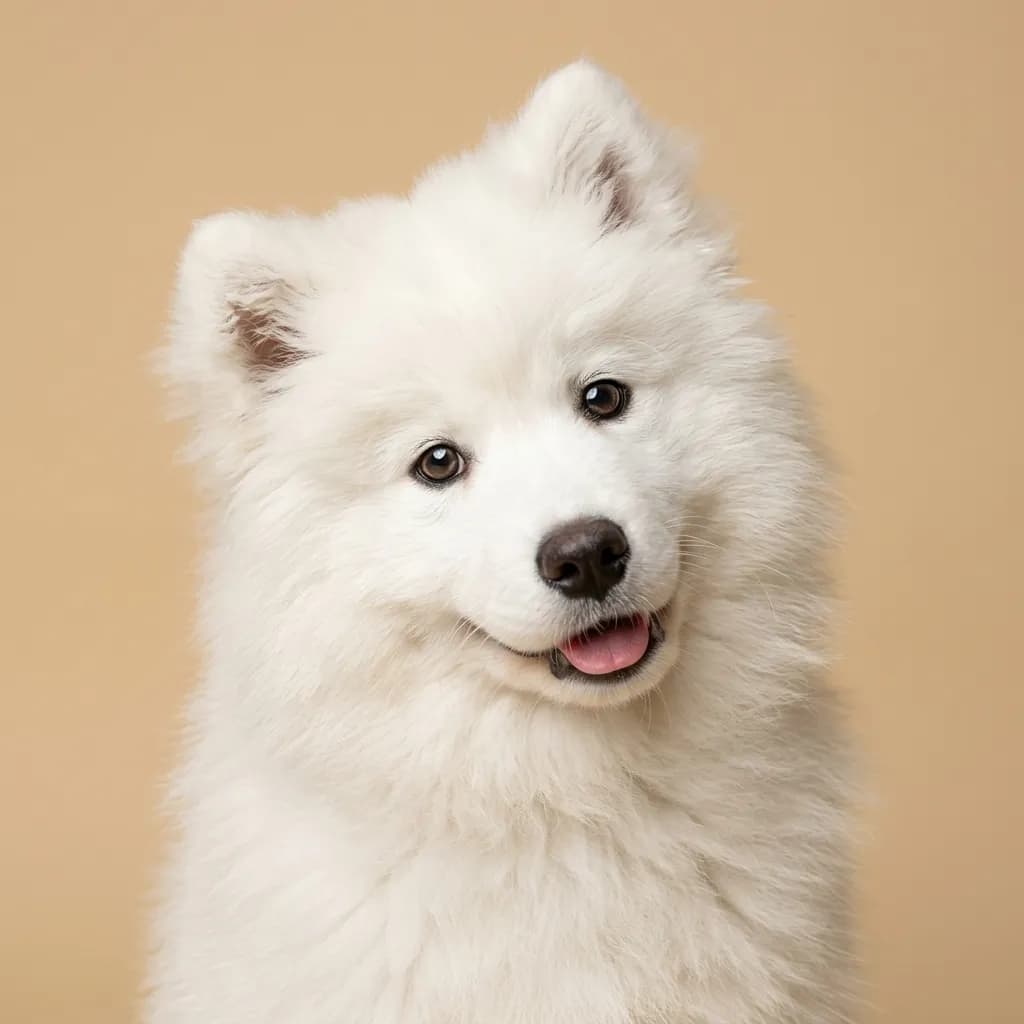
People compare the Chinese Shar-Pei and Samoyed because both are striking, thick-coated dogs with deep loyalty to their people but that’s where the similarity ends. One looks like a wrinkled lion with a side-eye that could stop traffic; the other grins like a snowstorm made flesh, always ready to pull you through winter. Choosing between them isn’t just preference, it’s lifestyle. The Shar-Pei is a stoic, low-energy guardian with a soft underbite grumble. They bond fiercely with one or two people, are suspicious of strangers, and won’t bark for no reason. You’ll spend more time cleaning skin folds than brushing fur, and you’ll need to be on guard for fevers and eye issues. They’re not mean, just reserved, and they thrive with experienced owners who appreciate their aloof charm. If you want a dog that keeps to themselves and offers quiet devotion, the Shar-Pei fits. The Samoyed is the opposite energy. Friendly with everyone. dogs, kids, mail carriers. they’re social butterflies built for teamwork. They need daily activity, mental challenges, and brushing. Lots of brushing. Their coat sheds year-round and blows out completely twice a year. think tumbleweeds of white fur rolling through your house. They bark to announce, to chat, to celebrate. Living in a hot climate? You’ll struggle. But if you want a joyful, family-involved dog that thrives on connection and cold weather, the Samoyed delivers. Here’s the real talk: the Shar-Pei may love you deeply but won’t perform for praise. The Samoyed wants to please but will outlast your patience with noise and shedding. Pick the Shar-Pei if you value quiet dignity. Pick the Samoyed if you want a dog that treats life like a party and expects you to join in.
Trait-by-trait
Higher bar = more of that trait. Shedding, barking, drooling, grooming flipped for readability.Where they diverge
Choose the Chinese Shar-Pei if…
- Experienced dog owners
- Homeowners with fenced yards
- Those wanting a loyal guard dog
- You value drooling level — Chinese Shar-Pei scores noticeably higher.
Choose the Samoyed if…
- Active families
- Cold climate households
- Dog sports enthusiasts
- You value good with young children — Samoyed scores higher here.