Chinese Shar-Pei vs Working Kelpie
Side-by-side comparison across all 14 AKC trait ratings, with a clear verdict on which breed fits which kind of household.

Not sure which breed fits your life?
Answer five questions about your home, your schedule, and your tolerance for shedding. We’ll match you to your top three breeds from over 200.
Chinese Shar-Pei vs Working Kelpie
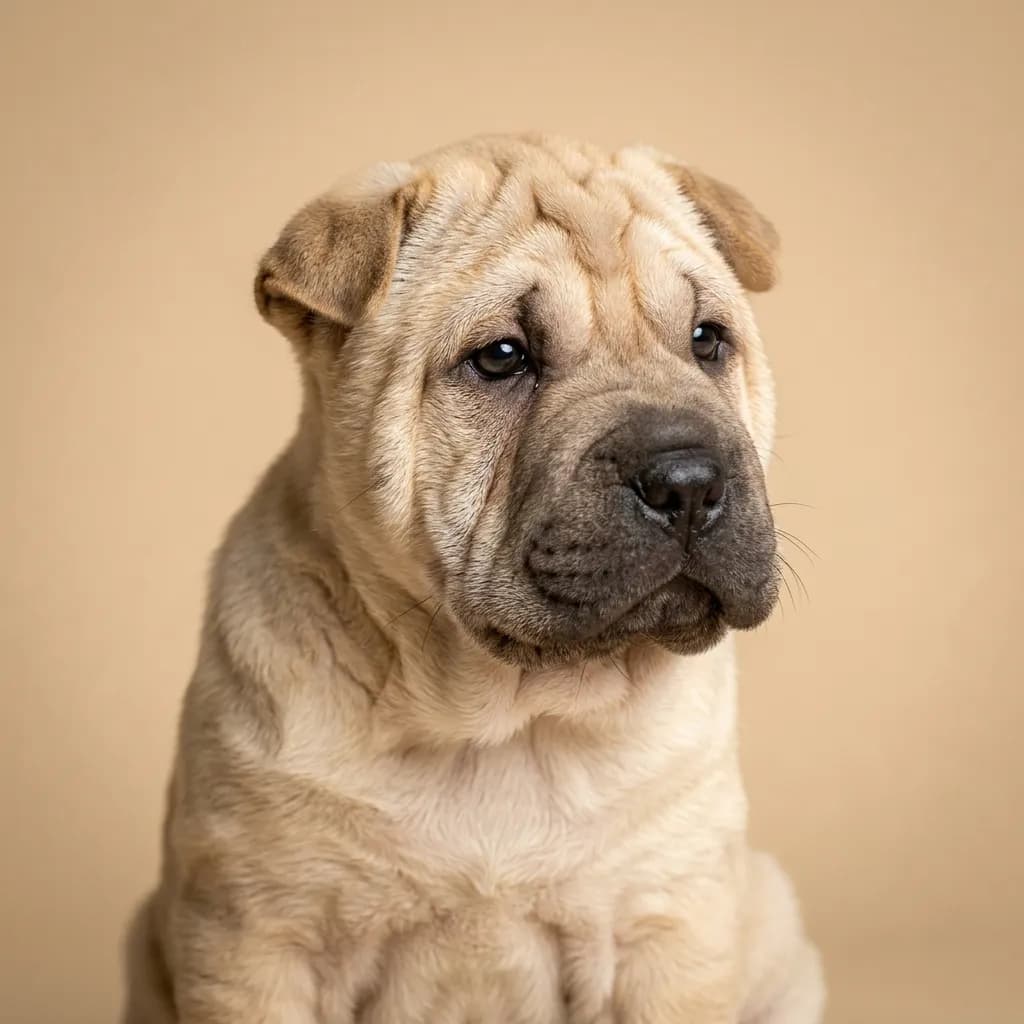
You’re not going to see a Shar-Pei and a Working Kelpie squaring off at the dog park, but somehow people end up comparing them. probably because both are intense, loyal, and look like they’ve got secrets. The truth? They’re built for entirely different lives. One was shaped by ancient Chinese farms and guard duty, the other forged in the relentless sun of the Australian outback, moving sheep across miles of scrub. The Shar-Pei moves like they’ve got places to be. but only if they feel like it. That wrinkled face hides a stubborn streak a mile wide. They’re deeply loyal, but on their terms. You’ll get affectionate glances and quiet companionship, not constant excitement. They adapt well to quieter homes, even suburban yards, as long as you can manage their skin folds and occasional fever episodes. They’re not great with other pets and won’t beg for praise. The Kelpie? That dog is all engine. If the Shar-Pei is a moody philosopher, the Kelpie is a race car with a GPS and a work ethic. Bred to cover 30 miles a day on rugged terrain, they need jobs. real ones. A backyard isn’t enough. You need to work them, mentally and physically. Kids? They’ll herd them gently. Couch time? They’ll stare at you like you’re broken. Here’s the real talk: people think the Shar-Pei is low-energy because they nap in sunbeams. But their stubbornness demands experienced handling just like the Kelpie’s drive does. The difference is, the Kelpie wants to please. you just have to keep up. Pick the Shar-Pei if you want a stoic, homebody guardian. Pick the Kelpie if your life has motion and you need a partner who thrives on it.
Trait-by-trait
Higher bar = more of that trait. Shedding, barking, drooling, grooming flipped for readability.Where they diverge
Choose the Chinese Shar-Pei if…
- Experienced dog owners
- Homeowners with fenced yards
- Those wanting a loyal guard dog
- You value affectionate w/ family — Chinese Shar-Pei scores noticeably higher.
Choose the Working Kelpie if…
- Farmers and ranchers
- Experienced dog owners
- Active rural lifestyles
- You value good with young children — Working Kelpie scores higher here.