Chinook vs Shiba Inu
Side-by-side comparison across all 14 AKC trait ratings, with a clear verdict on which breed fits which kind of household.

Not sure which breed fits your life?
Answer five questions about your home, your schedule, and your tolerance for shedding. We’ll match you to your top three breeds from over 200.
Chinook vs Shiba Inu
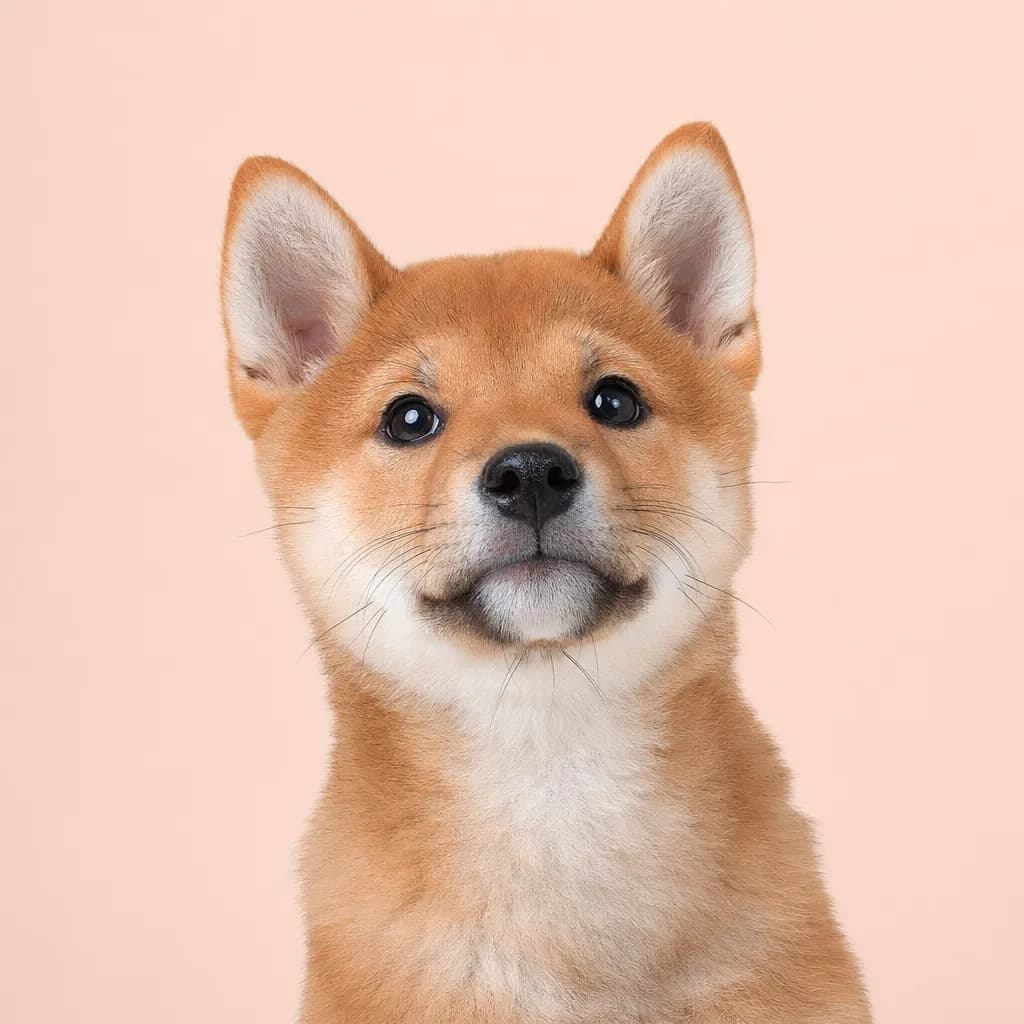
You don’t see Chinooks and Shiba Inus in the same conversation by accident. Both are rare, both have fox-like faces, and both carry that quiet dignity that makes people do a double-take at the dog park. But that’s where the similarity ends. Think of it like this: one was built to pull sleds through New England winters with steady determination, the other evolved to work rugged mountain terrain in Japan with feline precision and a mind of its own. The Chinook is the family powerhouse. At 70 pounds of calm muscle, it’s patient with kids, eager to please, and thrives when your life involves hiking, sledding, or just having a gentle giant who loves to tag along. It’ll bark. often. so quiet neighborhoods might struggle. But if you’ve got space, activity, and cold weather, this dog slots right in. It’s not the smartest in terms of problem-solving, but it’s trainable, loyal, and deeply in tune with its people. The Shiba Inu? Totally different energy. Small, alert, and fiercely independent, this dog is more likely to watch you from the porch than follow you into the woods. It grooms itself like a cat, hates coercion, and will flat-out ignore you if it thinks your command is dumb. Great for experienced owners who appreciate a reserved, clean companion. Not great if you want a dog that defaults to obedience. Here’s the real talk: people compare them because they look exotic. But the truth is, you don’t choose between these breeds based on looks. You choose based on whether you want a team player or a solo artist. Want a dog that’s part of the family brigade? Go Chinook. Want a spirited companion who tolerates affection on his terms? Shiba’s your guy. Just don’t expect either to fetch your slippers without serious negotiation.
Trait-by-trait
Higher bar = more of that trait. Shedding, barking, drooling, grooming flipped for readability.Where they diverge
Choose the Chinook if…
- Active families
- Cold climates
- Those wanting a sled dog
- You value good with young children — Chinook scores noticeably higher.
Choose the Shiba Inu if…
- Experienced dog owners
- Those wanting a cat-like independence
- Active owners
- You value affectionate w/ family — Shiba Inu scores higher here.