Chow Chow vs Czechoslovakian Vlcak
Side-by-side comparison across all 14 AKC trait ratings, with a clear verdict on which breed fits which kind of household.
Not sure which breed fits your life?
Answer five questions about your home, your schedule, and your tolerance for shedding. We’ll match you to your top three breeds from over 200.
Chow Chow vs Czechoslovakian Vlcak
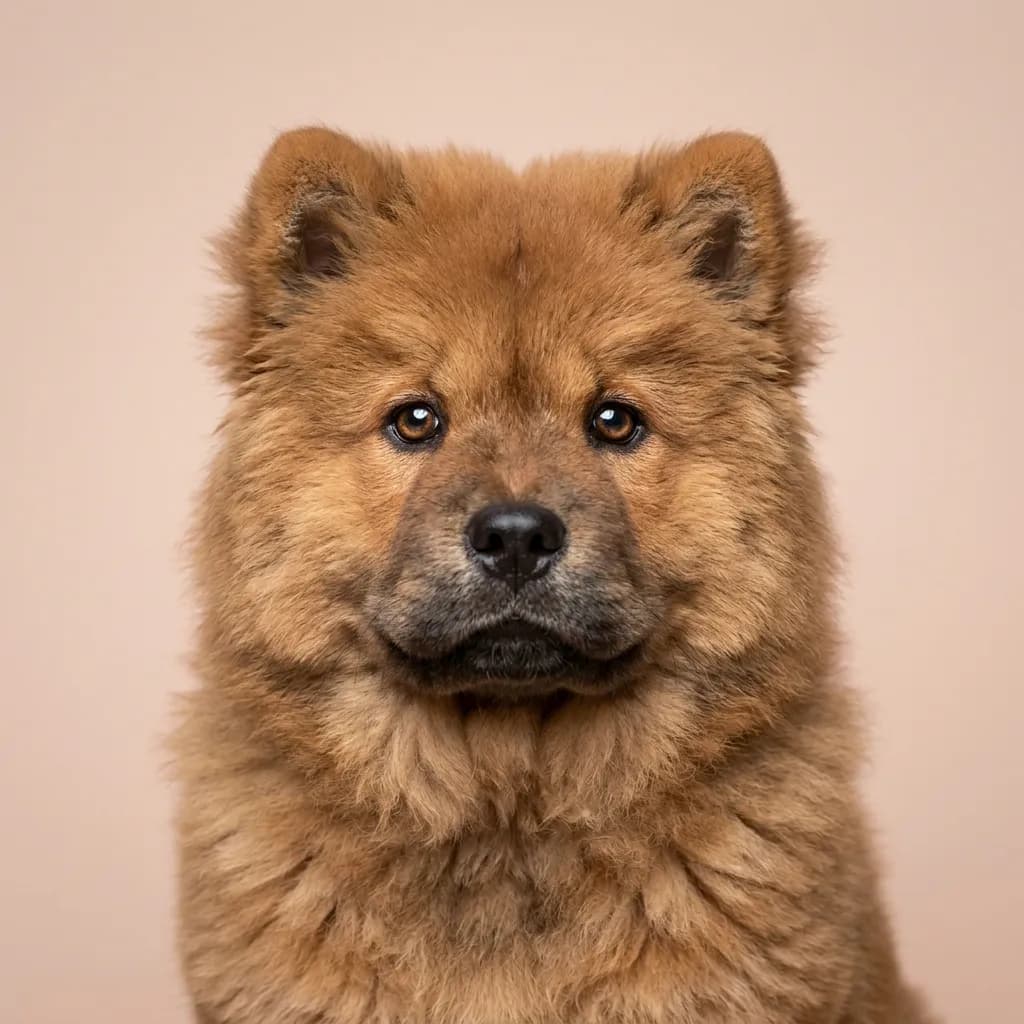
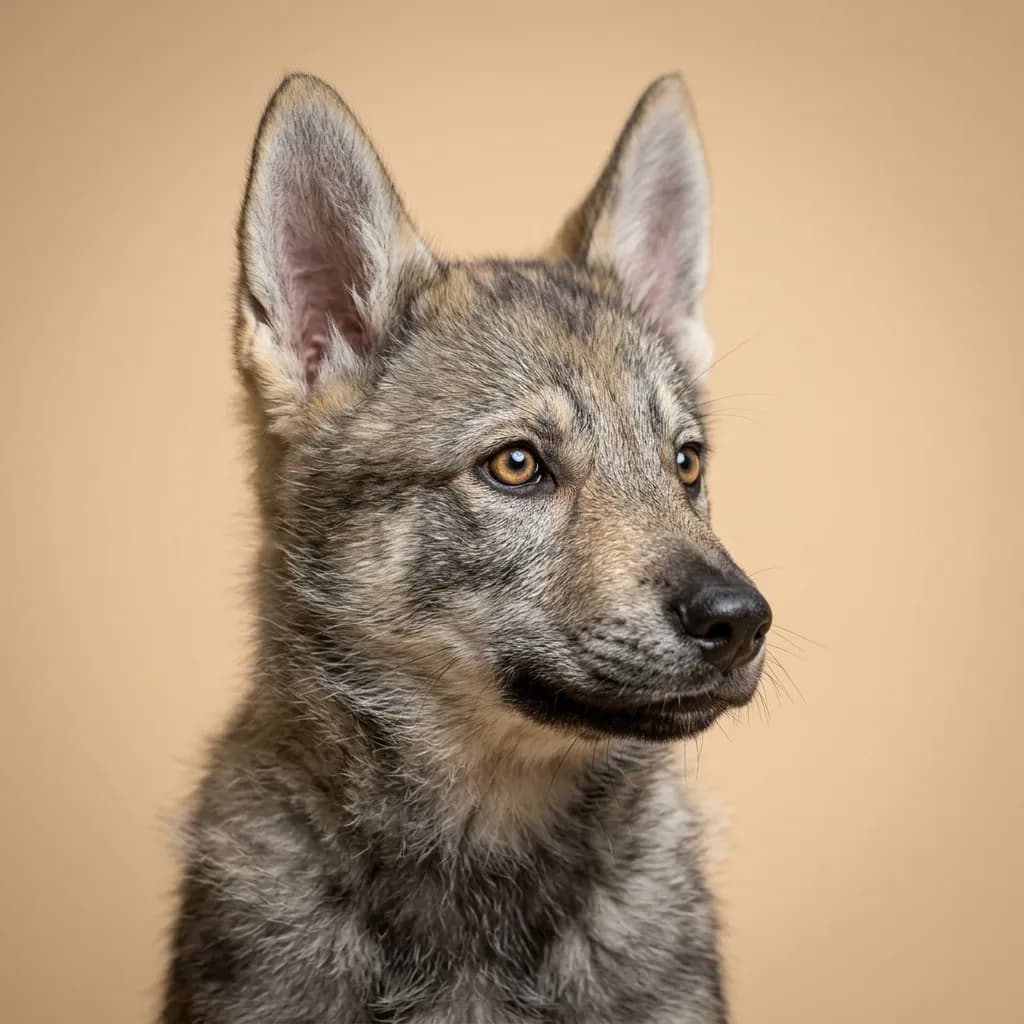
You don’t see many people comparing Chow Chows and Czechoslovakian Vlčáks, but when you do, it’s usually someone drawn to their wolf-like looks and strong wills. They’re both independent, both rare, and both demand respect instead of obedience. But that’s where the similarities end. The Chow Chow is the ancient, dignified aloof type who’ll sit like a lion on your couch, eyeing you with quiet judgment. They’re fiercely loyal to their person but not exactly a family dog. They’ll tolerate older kids if raised together, but don’t expect fetch sessions or puppy-like enthusiasm. They’re calm indoors, low barkers, but come with a thick coat that sheds heavily and a temperament that won’t bend for novice owners. You’ll need patience, consistency, and a cool house. this breed overheats fast. The Vlcak? This is a working animal first. Bred from German Shepherds and Carpathian wolves, it’s intense, driven, and needs a job. You can’t just “love” this dog into good behavior. It needs structure, space, and hours of mental work. It’s not mean, but its prey drive and wariness of strangers make it a poor fit for homes with small kids or city life. You’ll spend more time training and exercising one than most breeds, and even then, it’ll never be off-leash reliable. Here’s the real difference: the Chow wants to be your silent companion. The Vlcak wants to be your partner in a mission that doesn’t exist anymore. If you want a noble, low-key guardian with presence, the Chow fits. If you’re an experienced handler craving a high-drive, rare working breed and live rurally, the Vlcak might call to you. But be honest. most of us don’t actually need a wolf.
Trait-by-trait
Higher bar = more of that trait. Shedding, barking, drooling, grooming flipped for readability.Where they diverge
Choose the Chow Chow if…
- Experienced dog owners
- Less active households
- Adults-only homes
- You value good with young children — Chow Chow scores noticeably higher.
Choose the Czechoslovakian Vlcak if…
- Very experienced dog owners
- Active individuals
- Rural environments
- You value shedding level — Czechoslovakian Vlcak scores higher here.