Chow Chow vs Pekingese
Side-by-side comparison across all 14 AKC trait ratings, with a clear verdict on which breed fits which kind of household.
Not sure which breed fits your life?
Answer five questions about your home, your schedule, and your tolerance for shedding. We’ll match you to your top three breeds from over 200.
Chow Chow vs Pekingese
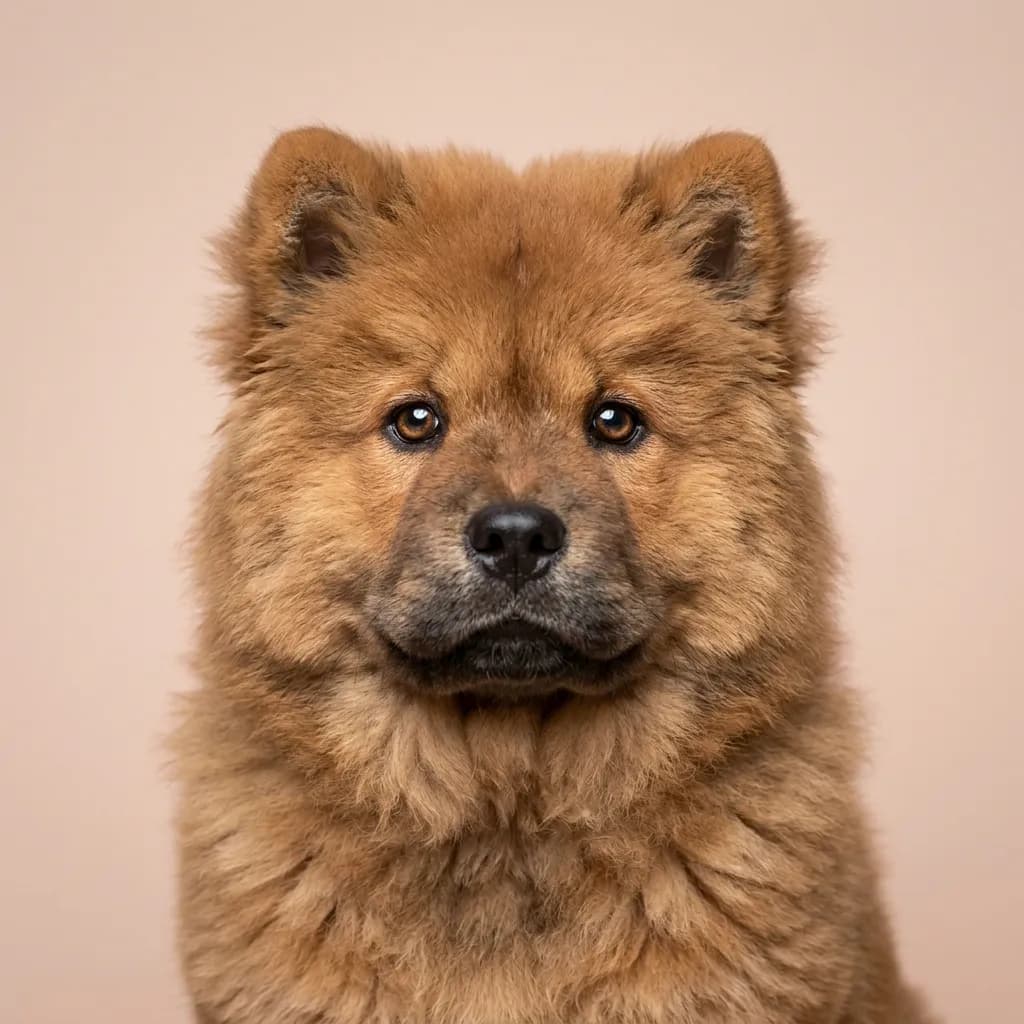
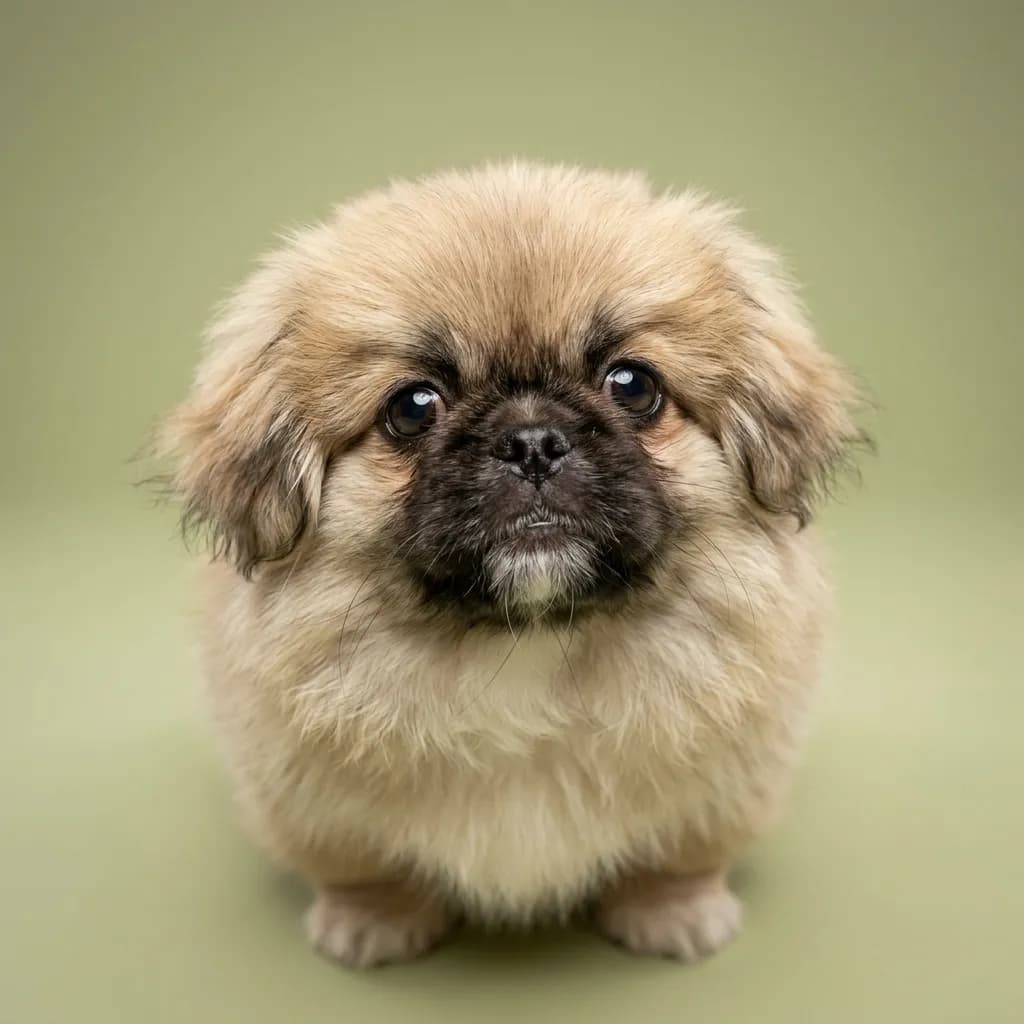
People compare Chow Chows and Pekingese because they’re both ancient Chinese breeds with lion-like manes and royal pedigrees. On paper, they might seem like variations of the same dignified companion. But live with either, and you’ll realize they’re fundamentally different expressions of regal independence. The Chow Chow is a stoic, medium-sized dog built like a bear, with a blue-black tongue and a coat that demands weekly brushing. It’s reserved, even with family, and bonds deeply but on its own terms. You’ll respect a Chow, but you won’t necessarily cuddle it on demand. They’re loyal in a quiet, watchful way. like a furry sentinel. But they’re not for first-time owners. Their aloofness can look like stubbornness, and their need for early socialization is non-negotiable. They thrive in calm homes, but struggle in heat and with chaos. The Pekingese is its pocket-sized counterpart. fluffy, flat-faced, and built for laps. They move slowly, breathe noisily, and carry themselves like emperors in fur. Where the Chow is serious, the Pekingese is theatrically affectionate. They want to be with you, on you, and aware of your every move. But their brachycephalic anatomy means no strenuous walks, no hot weather, and potential vet bills down the line. The real difference? Presence. A Chow Chow fills a room with quiet authority. A Pekingese fills your lap with dramatic devotion. Here’s the insight no breed summary tells you: both breeds look regal, but only the Pekingese expects to be treated like royalty. The Chow couldn’t care less what you think. Choose the Pekingese if you want a velvety, lap-warmed shadow. Choose the Chow if you want a noble, cat-like companion who tolerates your presence. on their terms.
Trait-by-trait
Higher bar = more of that trait. Shedding, barking, drooling, grooming flipped for readability.Where they diverge
Choose the Chow Chow if…
- Experienced dog owners
- Less active households
- Adults-only homes
- You value drooling level — Chow Chow scores noticeably higher.
Choose the Pekingese if…
- Apartment living
- Seniors
- Singles or couples
- You value affectionate w/ family — Pekingese scores higher here.