Chow Chow vs Russian Toy
Side-by-side comparison across all 14 AKC trait ratings, with a clear verdict on which breed fits which kind of household.
Not sure which breed fits your life?
Answer five questions about your home, your schedule, and your tolerance for shedding. We’ll match you to your top three breeds from over 200.
Chow Chow vs Russian Toy
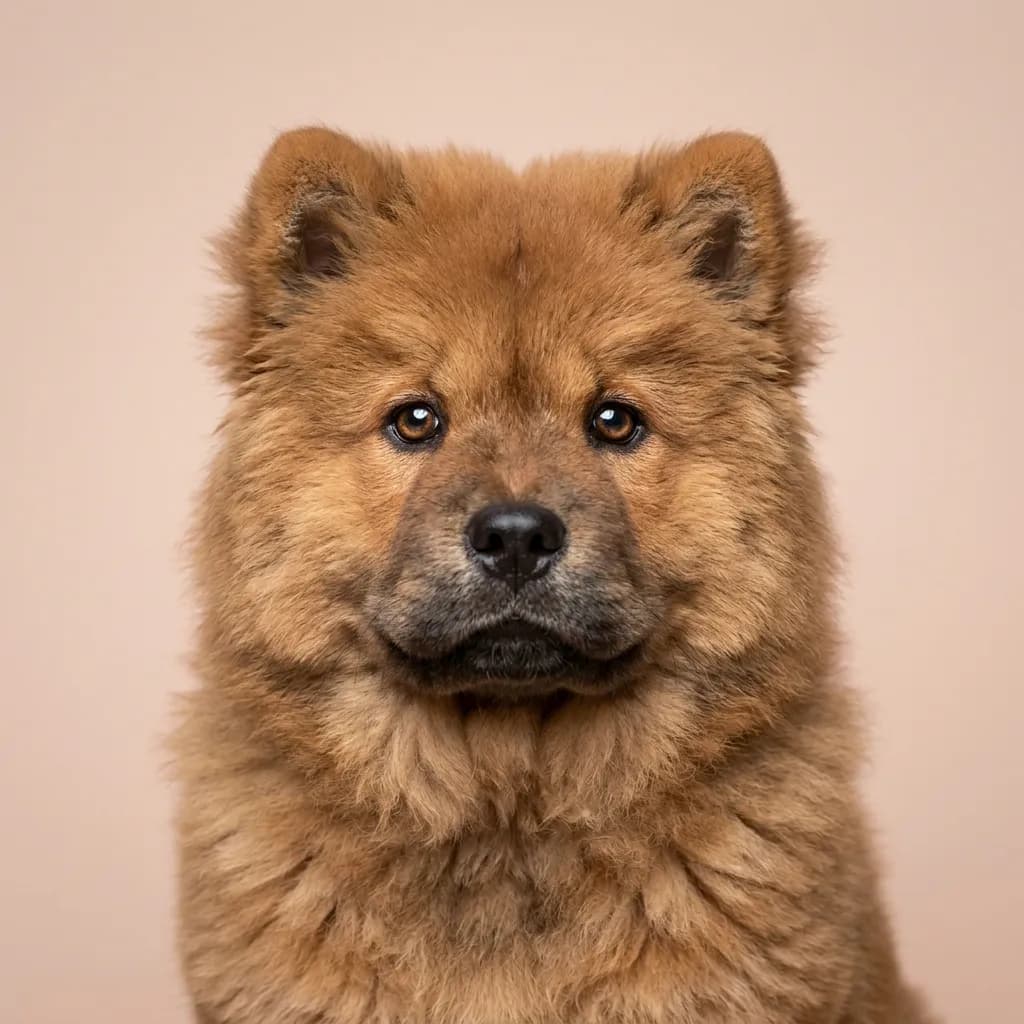
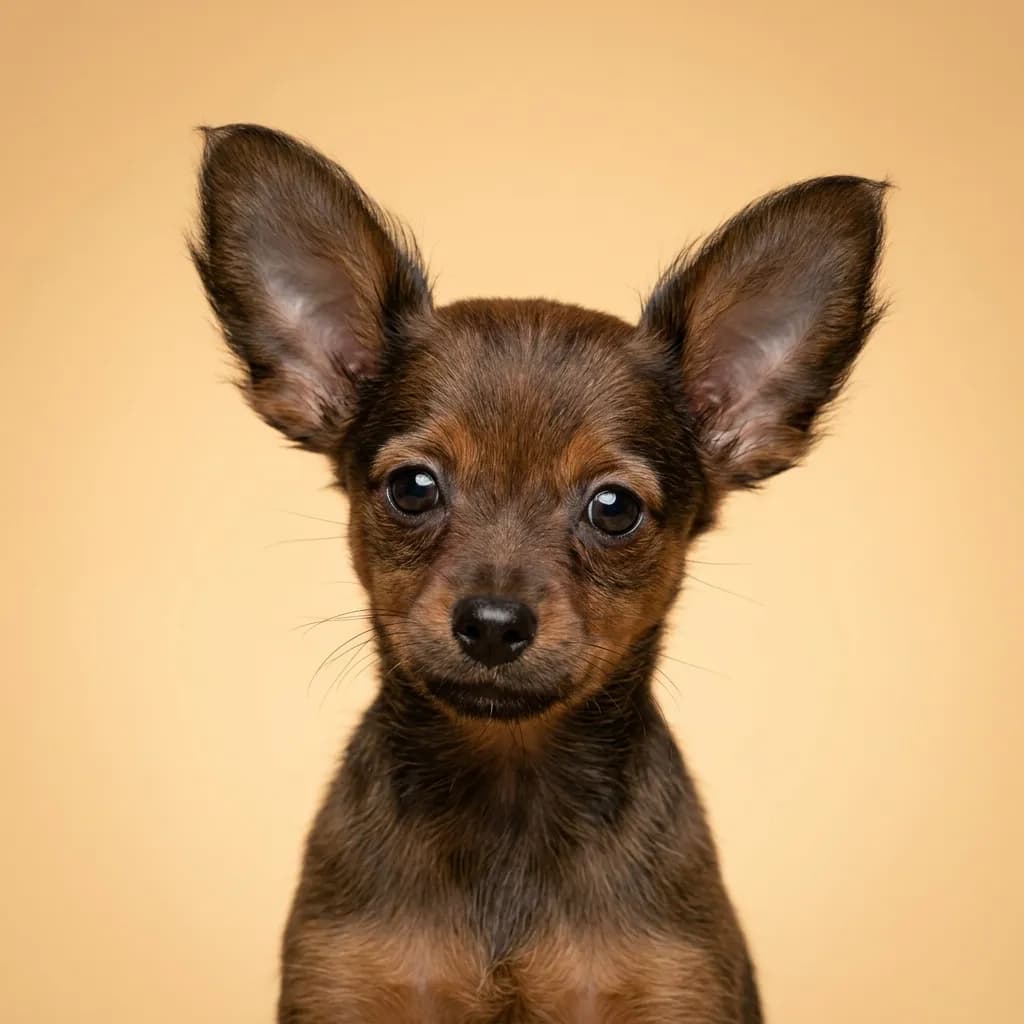
You’re not going to find two dogs that look more different than a Chow Chow and a Russian Toy, yet people keep lining them up side by side online. I think it’s because both have that “regal aura” thing going on. they carry themselves like they own the room. But that’s where the similarity ends. One weighs as much as a medium suitcase, the other fits inside it. The Chow Chow is a loaf of dignity on legs. They’re not overly demonstrative, but they’re deeply attached in their own quiet way. You’ll get a slow blink or a deliberate nudge with their head, not a face full of puppy slobber. They're independent thinkers, which can feel like aloofness if you're not used to it. They don’t bark much, which is nice, but their thick coat means shedding season is like living in a lint storm. And yes, that blue-black tongue still weirds people out. The Russian Toy, meanwhile, is all heartbeat and devotion. They’re tiny, yes. barely more than a teacup with legs. but they’ve got the emotional volume of a much larger dog. They’ll follow you from room to room, sleep curled in your sleeve, and bark at the microwave like it insulted their ancestors. They’re easier to train than a Chow, no question, but that high bark tendency? It’s real. Apartment living works only if your neighbors like a dog that’s always on duty. Here’s what the charts won’t tell you: the Chow thrives in calm, predictable homes where their space is respected. The Russian Toy needs emotional intensity. they don’t just want to be with you, they need to be part of your every move. You can’t half-love a Russian Toy. Pick the Chow if you value quiet loyalty and already know dog quirks. Pick the Toy if you want a living heartbeat that mirrors your own. and don’t mind a little drama.
Trait-by-trait
Higher bar = more of that trait. Shedding, barking, drooling, grooming flipped for readability.Where they diverge
Choose the Chow Chow if…
- Experienced dog owners
- Less active households
- Adults-only homes
- You value drooling level — Chow Chow scores noticeably higher.
Choose the Russian Toy if…
- Apartment living
- Seniors
- Owners wanting a devoted companion
- You value barking level — Russian Toy scores higher here.