Chow Chow vs Samoyed
Side-by-side comparison across all 14 AKC trait ratings, with a clear verdict on which breed fits which kind of household.
Not sure which breed fits your life?
Answer five questions about your home, your schedule, and your tolerance for shedding. We’ll match you to your top three breeds from over 200.
Chow Chow vs Samoyed
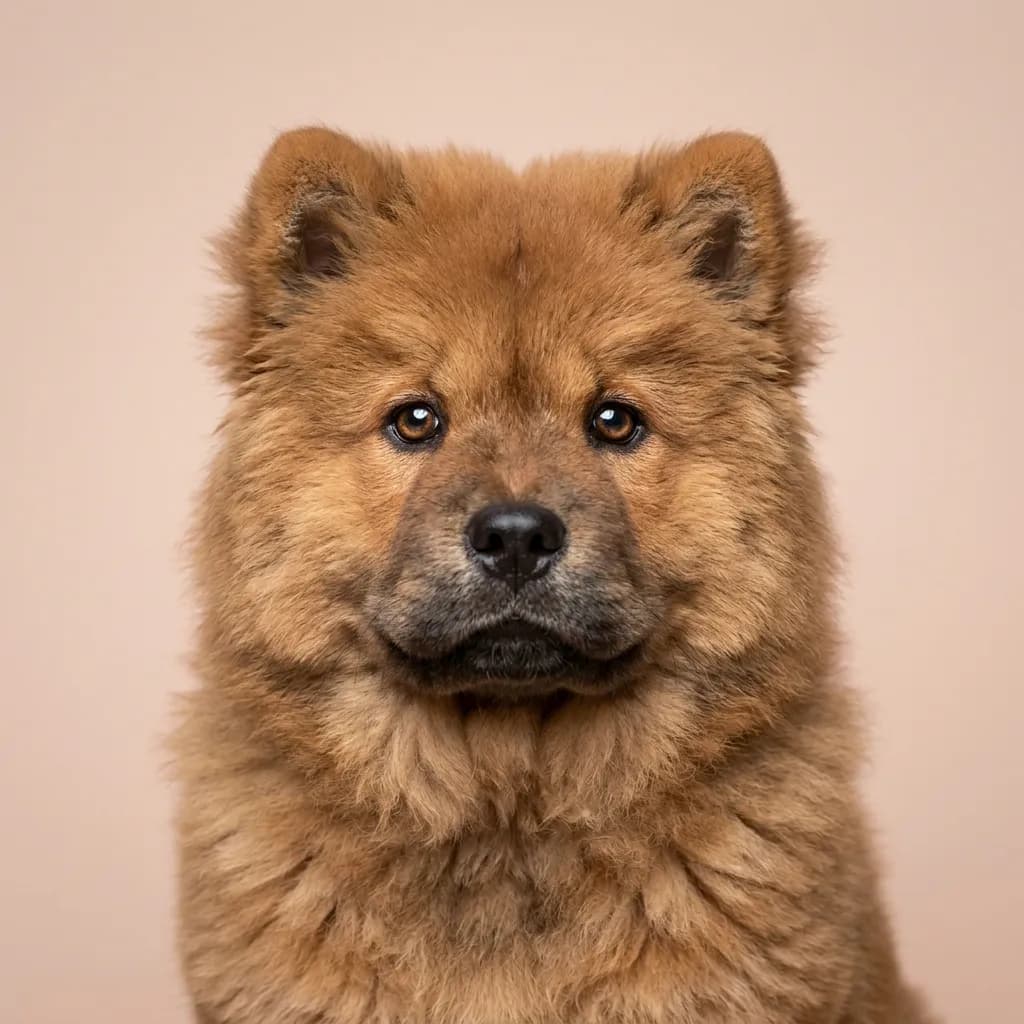
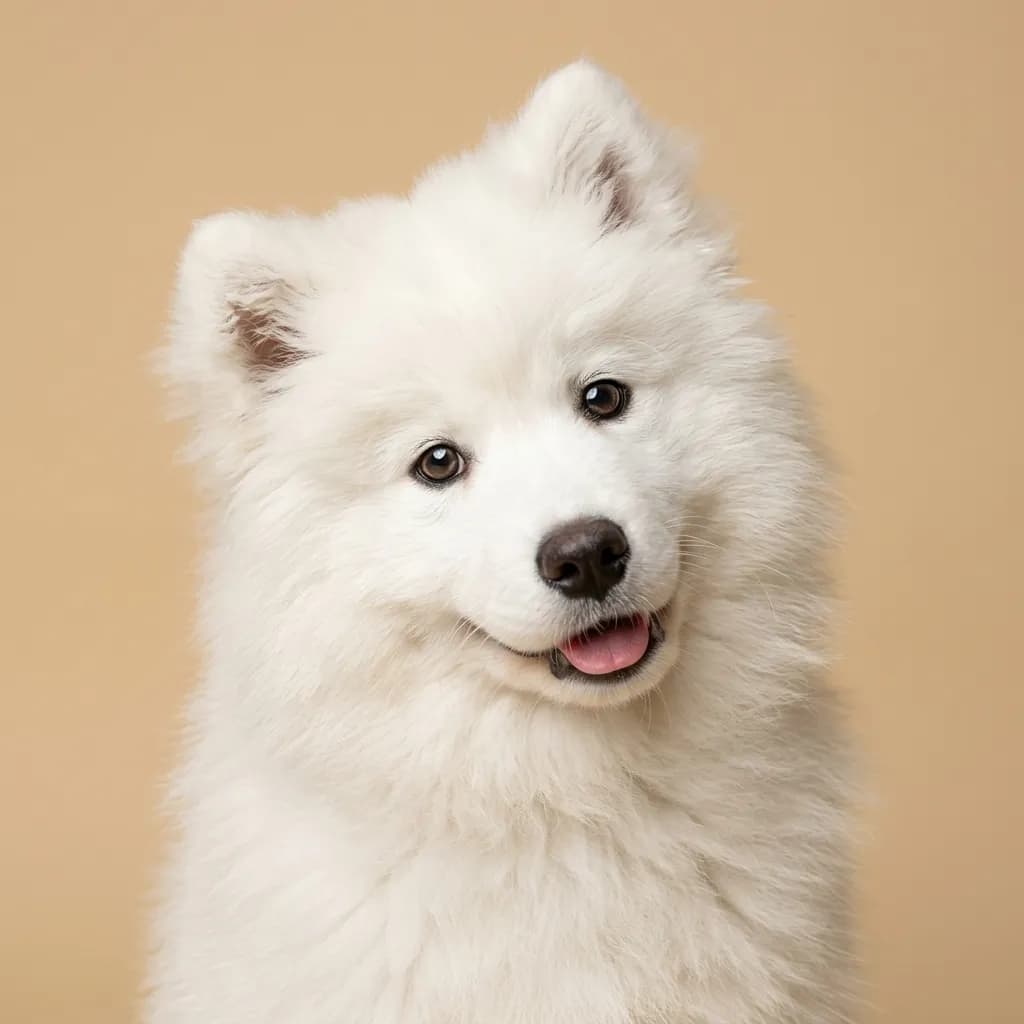
People compare Chow Chows and Samoyeds because they look kind of like cousins at first glance. fluffy, thick-coated, and bear-like, with that signature smile. But that’s where the family resemblance ends. These two couldn’t be more different under the fur. The Chow Chow is a dignified old soul, like a cat in a dog’s body. He’s reserved, deeply loyal to his person, and famously aloof with strangers. You’ll never catch him bouncing around the yard like a puppy at heart. He’s got that blue-black tongue and a stiff gait, yes, but more importantly, he’s independent and serious. He doesn’t beg for attention, and he definitely won’t do a trick just to please you. Training takes patience because he weighs your request before complying. If you’re a first-time owner or live in a hot apartment with kids racing through the halls, this isn’t your dog. The Samoyed, on the other hand, is pure joy in a white coat. Bred to work alongside people in the Arctic cold, he thrives on companionship and activity. He’ll greet you with a smile every time, even at 6 a.m. after you’ve just yelled at him for barking. And he will bark. constantly, musically, at everything. He’s not suspicious like the Chow; he loves kids, strangers, dogs, squirrels, the mailman. You’ll need to groom both regularly, but the Samoyed’s coat is easier to maintain than you’d think. just don’t expect it to survive August in Florida. Here’s the real difference beyond the numbers: the Chow wants a respectful coexistence. The Samoyed wants a partnership. Pick the Chow if you value quiet dignity and don’t mind a little emotional distance. Pick the Samoyed if your life is active, social, and full of shared adventures. And if you’re not ready to brush a dog twice a week for the next 14 years, don’t bother with either.
Trait-by-trait
Higher bar = more of that trait. Shedding, barking, drooling, grooming flipped for readability.Where they diverge
Choose the Chow Chow if…
- Experienced dog owners
- Less active households
- Adults-only homes
- You value drooling level — Chow Chow scores noticeably higher.
Choose the Samoyed if…
- Active families
- Cold climate households
- Dog sports enthusiasts
- You value barking level — Samoyed scores higher here.