Clumber Spaniel vs Siberian Husky
Side-by-side comparison across all 14 AKC trait ratings, with a clear verdict on which breed fits which kind of household.
Not sure which breed fits your life?
Answer five questions about your home, your schedule, and your tolerance for shedding. We’ll match you to your top three breeds from over 200.
Clumber Spaniel vs Siberian Husky
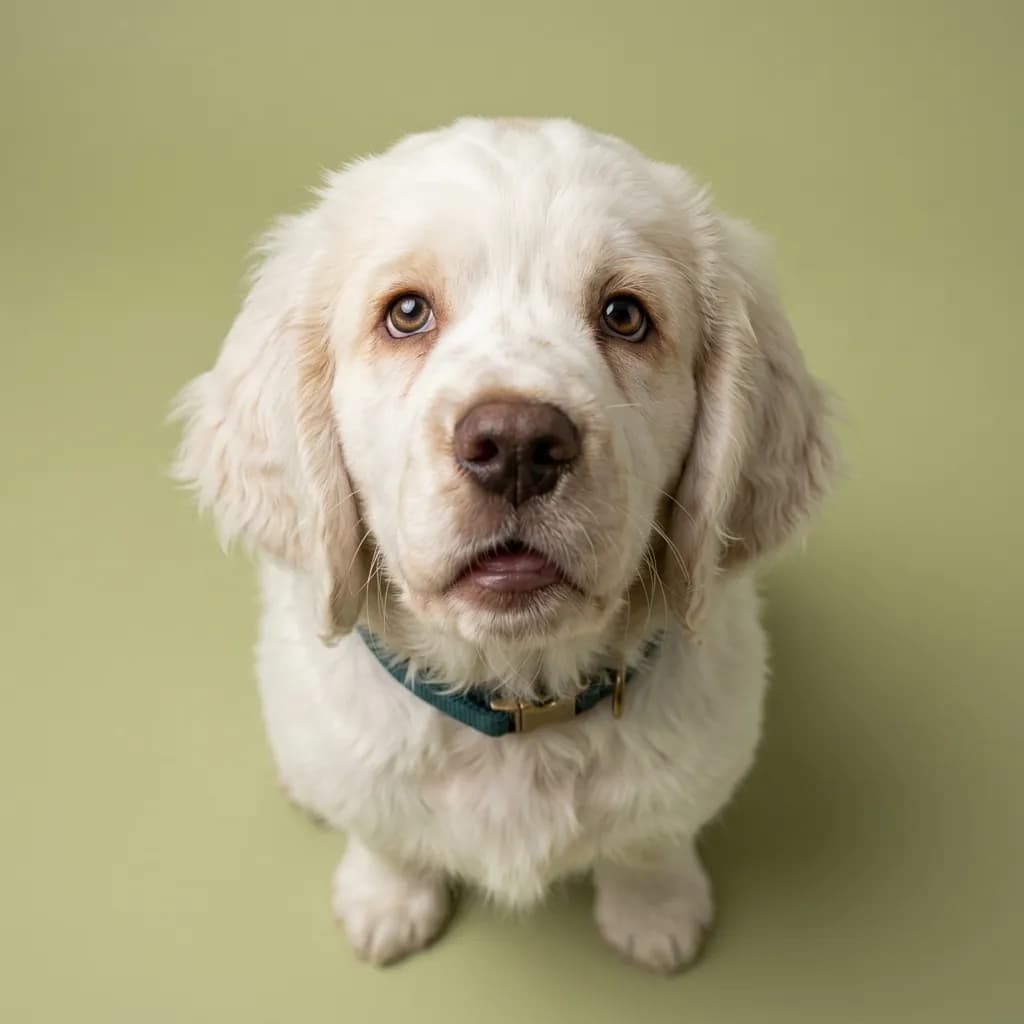
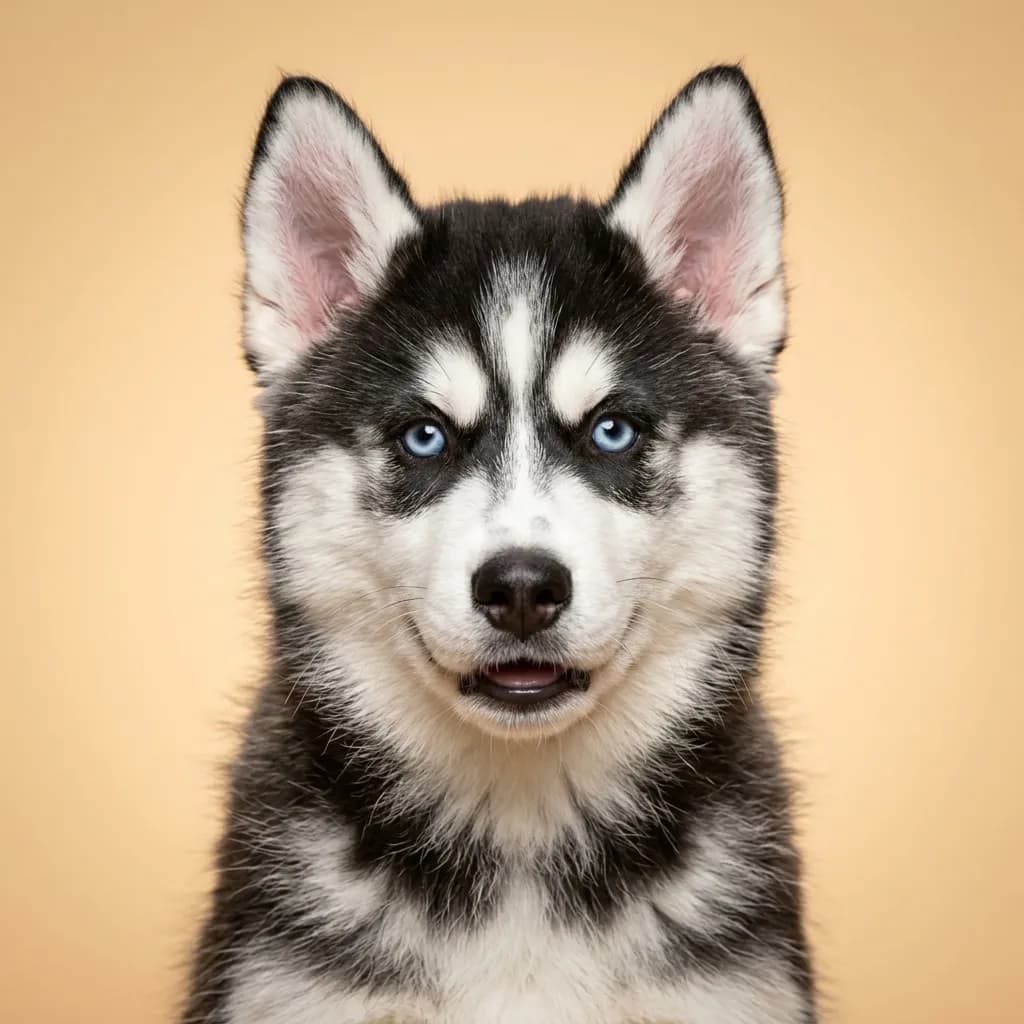
People compare Clumber Spaniels and Siberian Huskies because both are medium to large dogs with thick coats and family-friendly reputations, but that’s where the similarities end. Imagine one as a slow-sipping English ale and the other as an adrenaline shot of arctic wind. they’re built for entirely different worlds. The Clumber Spaniel is a quiet, low-energy companion who ambles through life with a perpetually thoughtful expression. He’s the dog who’ll follow you around the yard, lie at your feet during dinner, and gently entertain the kids without knocking them over. He doesn’t bark much, enjoys a daily stroll, and thrives in cooler climates with a yard to patrol. But don’t be fooled by his calm. this spaniel has a stubborn streak and a drool puddle or two will appear after a drink of water. The Siberian Husky? He’s born with a jet engine. Bred to run 100 miles in subzero temps, he needs serious daily exercise and mental challenges. A bored Husky will dig, howl, or escape your yard the second you turn your back. He’s affectionate and great with kids, but his loyalty is to adventure, not obedience. If you don’t have time for long runs or dog sports, he’ll make life difficult. Pick the Clumber if you want a relaxed, affectionate dog for a quieter household. Choose the Husky only if you’re active, patient, and don’t mind fur on everything. Here’s the unspoken truth: Clumbers are rare and often misunderstood as lazy; they’re not. they’re thinkers. Huskies, meanwhile, look like wolves but act like goofy clowns. But neither should be chosen for looks alone. One wants to hunt beside you. The other wants to outrun you. Pick accordingly.
Trait-by-trait
Higher bar = more of that trait. Shedding, barking, drooling, grooming flipped for readability.Where they diverge
Choose the Clumber Spaniel if…
- Hunters
- Less active families
- Homes with a yard
- You value drooling level — Clumber Spaniel scores noticeably higher.
Choose the Siberian Husky if…
- Active owners who exercise daily
- Cold climate households
- Families with children
- You value barking level — Siberian Husky scores higher here.