Collie vs Schipperke
Side-by-side comparison across all 14 AKC trait ratings, with a clear verdict on which breed fits which kind of household.
Not sure which breed fits your life?
Answer five questions about your home, your schedule, and your tolerance for shedding. We’ll match you to your top three breeds from over 200.
Collie vs Schipperke
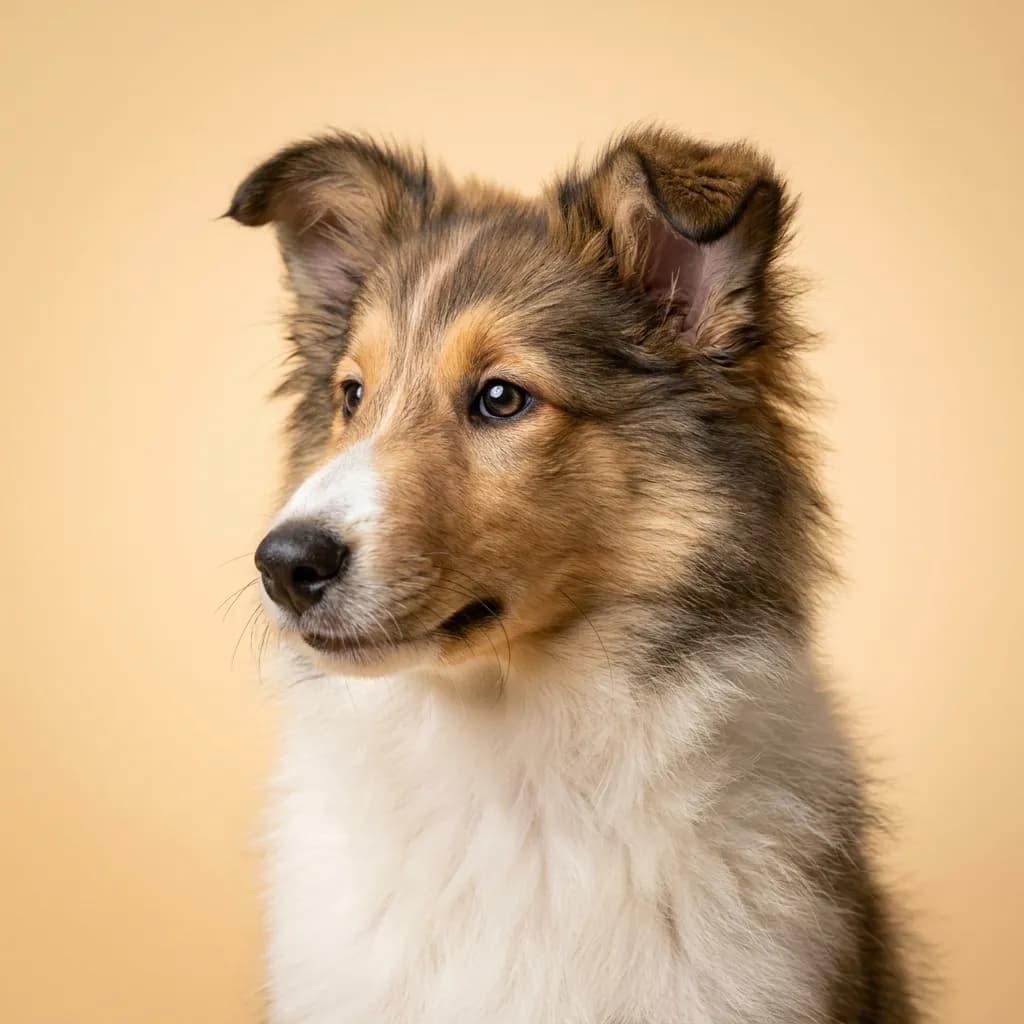
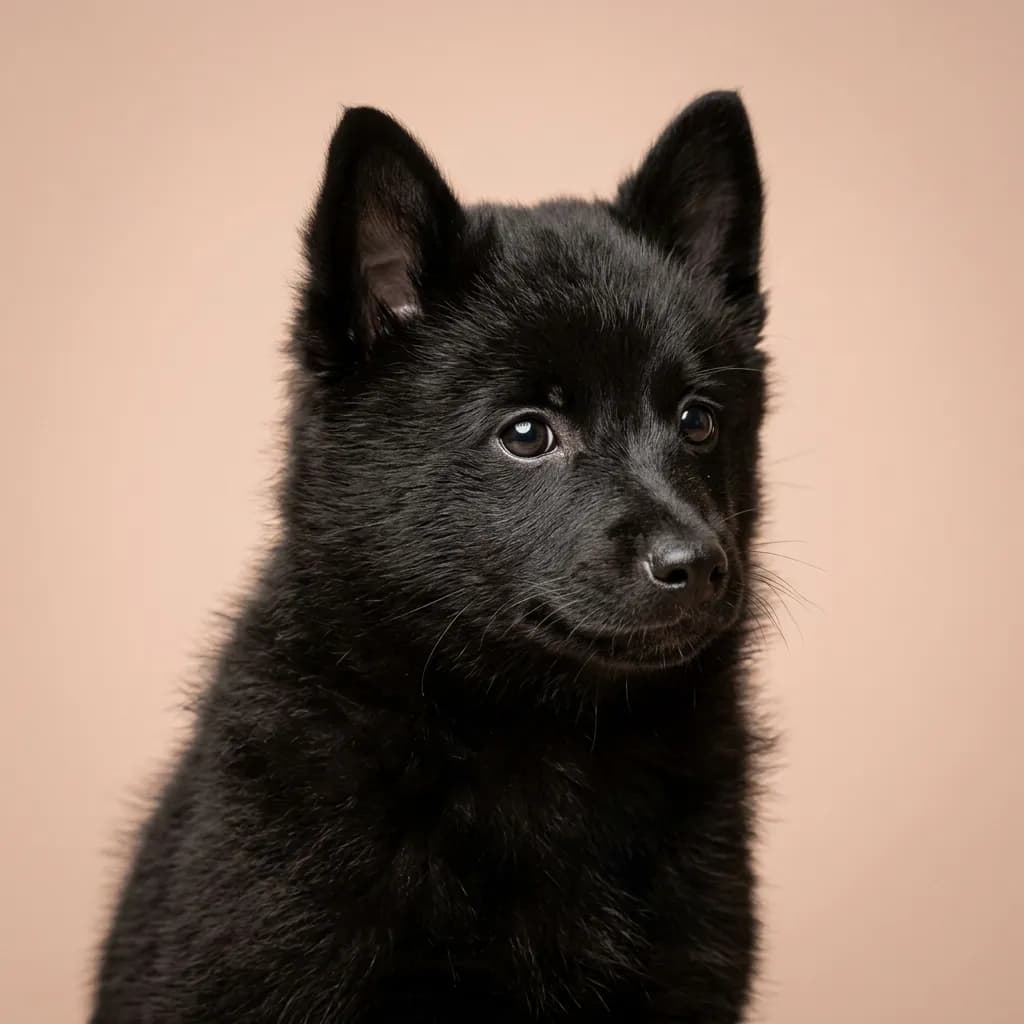
People compare Collies and Schipperkes because both are alert, intelligent dogs with a kind of old-world charm and a soft spot for their people. But that’s where the similarities end. these two breeds live in completely different worlds. Imagine this. You’re watching a Collie move across a field. smooth, purposeful, like something out of a 1940s movie. They’re built for miles of open space, bred to gather sheep with grace and quiet authority. They’re gentle with kids, thrive in family life, and will follow you from room to room with quiet devotion. But they bark. A lot. And yes, they shed. especially in spring. You’ll find fur in places you didn’t know could hold fur. Now picture a Schipperke. Small, black, pointy-eared, with a fox-like intensity. They were the barge captain’s right-hand dog in 19th-century Belgium. fearless, curious, always on patrol. They don’t just live in your home, they guard it. They bond fiercely with their people but can be suspicious of strangers and too intense for little kids who grab or run. They’re bold, not sweet. Independent, not eager to please. And while they don’t shed more than a Collie, you’d never call them low-maintenance. The real difference? It’s about energy type, not amount. A Collie’s energy is focused, flowing. it wants direction, a job, a rhythm. The Schipperke’s energy is spark-based. Sudden, alert, always ready to investigate a noise at 2 a.m. Pick a Collie if you want a loyal, family-centered dog who’s easy to train and loves kids. Pick a Schipperke if you want a small dog with zero small-dog syndrome and don’t mind a watchdog with opinions. Here’s the thing no one says: Schipperkes think they’re herding dogs. And they’re not wrong. they just herd your anxiety instead of sheep.
Trait-by-trait
Higher bar = more of that trait. Shedding, barking, drooling, grooming flipped for readability.Where they diverge
Choose the Collie if…
- Families with children
- Active individuals
- Homes with a yard
- You value good with young children — Collie scores noticeably higher.
Choose the Schipperke if…
- Active owners
- Those wanting a small but bold breed
- Suburban or rural settings
- You value watchdog / protective — Schipperke scores higher here.