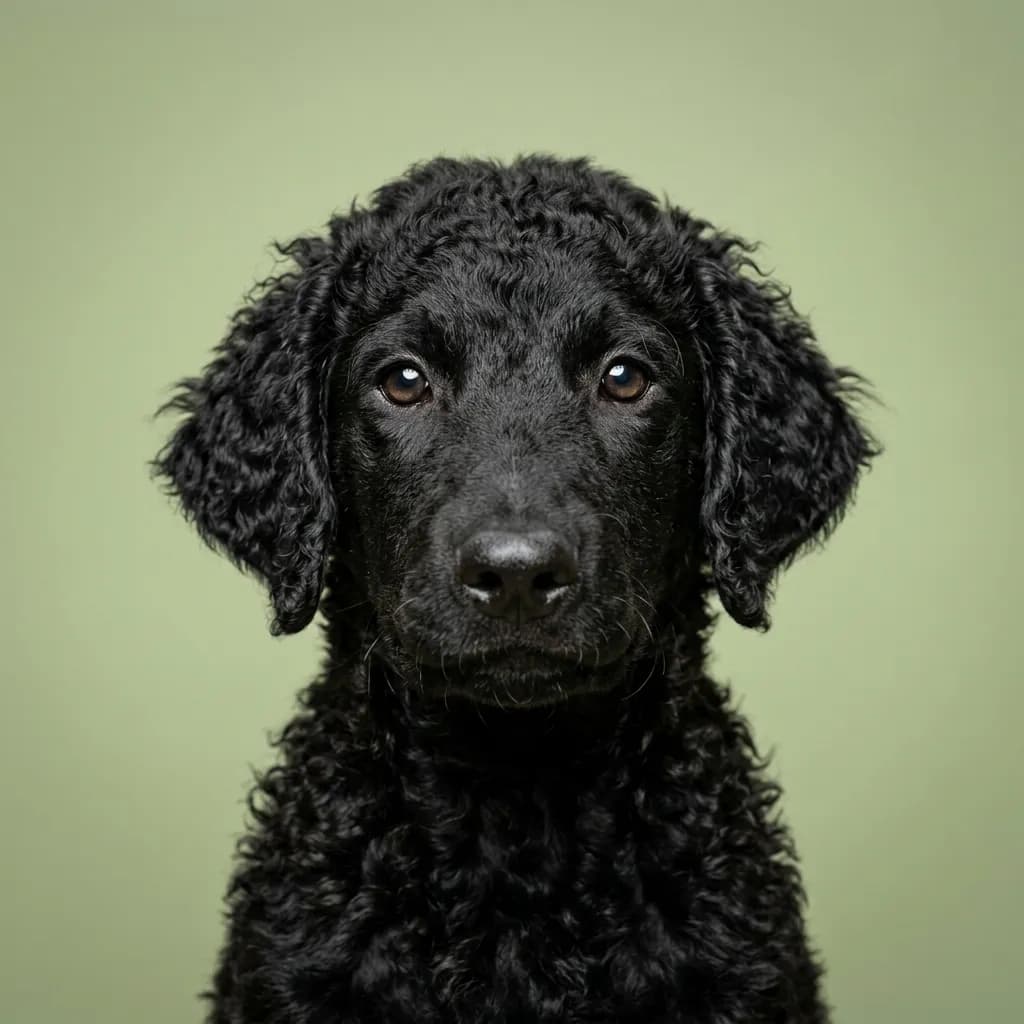
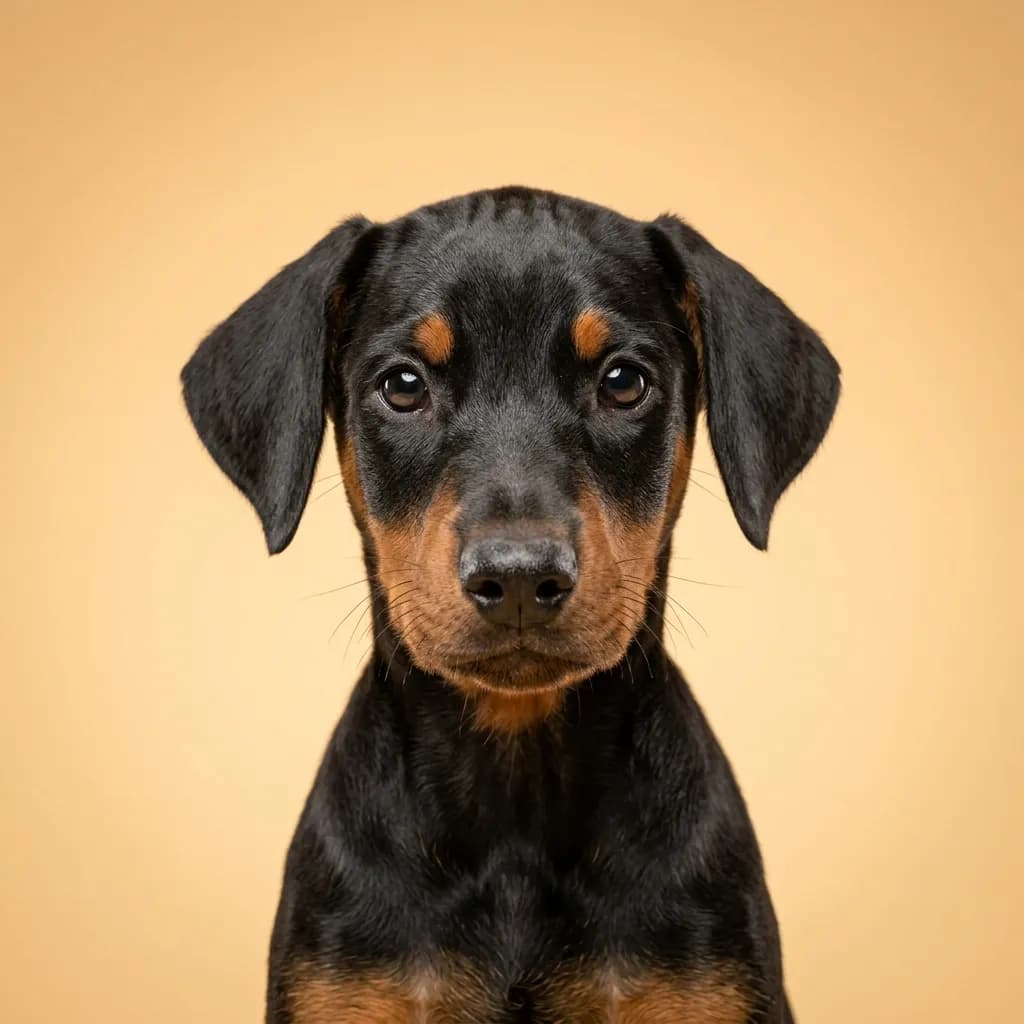
Curly-Coated Retriever vs Doberman Pinscher
Side-by-side comparison across all 14 AKC trait ratings, with a clear verdict on which breed fits which kind of household.
Not sure which breed fits your life?
Answer five questions about your home, your schedule, and your tolerance for shedding. We’ll match you to your top three breeds from over 200.
Curly-Coated Retriever vs Doberman Pinscher
You don’t see a lot of Curly-Coated Retrievers and Dobermans side by side at the dog park, but people compare them when they’re after a strong, smart, loyal dog that’s not afraid of work or weather. Both are athletic, affectionate with family, and built for purpose. But that’s where the story splits. The Curly-Coated Retriever is the quiet visionary of the field. He’s built for long days in cold marshes, diving into dark water with a grin. He’s got that wild, springy coat that repels rain like a duck, and a calm confidence around kids that feels unshakable. He’s eager to learn and bonds deeply, but he’s not glued to your hip. he’ll work independently, quietly, with a kind of old-soul focus. You’ll need space and activity, but not constant entertainment. He’s happiest with a job, a yard, and a lake nearby. The Doberman is intensity with a purpose. Bred to protect, he moves like a shadow. alert, fast, mentally wired for challenge. He’s as affectionate as any family dog, but his engine runs hot. He needs structure, consistent training, and mental puzzles to stay balanced. Skip a day of training and you’ll feel it. He’s not loud, but he’s always watching. This isn’t a breed you wing with. Here’s the real difference: the Curly is a partner in adventure, the Doberman is a guardian with a mission. If you’re active but value calm companionship, go Curly. If you want a vigilant protector and have the experience to lead, the Doberman will astonish you. And one thing the data won’t tell you: both breeds make you a better handler. They don’t forgive sloppy leadership, but they reward growth fiercely.
Trait-by-trait
Higher bar = more of that trait. Shedding, barking, drooling, grooming flipped for readability.Where they diverge
Choose the Curly-Coated Retriever if…
- Active families
- Hunters and waterfowlers
- Cold and wet climates
Choose the Doberman Pinscher if…
- Experienced dog owners
- Active families
- Homes with a yard
- You value shedding level — Doberman Pinscher scores higher here.