Curly-Coated Retriever vs Great Dane
Side-by-side comparison across all 14 AKC trait ratings, with a clear verdict on which breed fits which kind of household.
Not sure which breed fits your life?
Answer five questions about your home, your schedule, and your tolerance for shedding. We’ll match you to your top three breeds from over 200.
Curly-Coated Retriever vs Great Dane
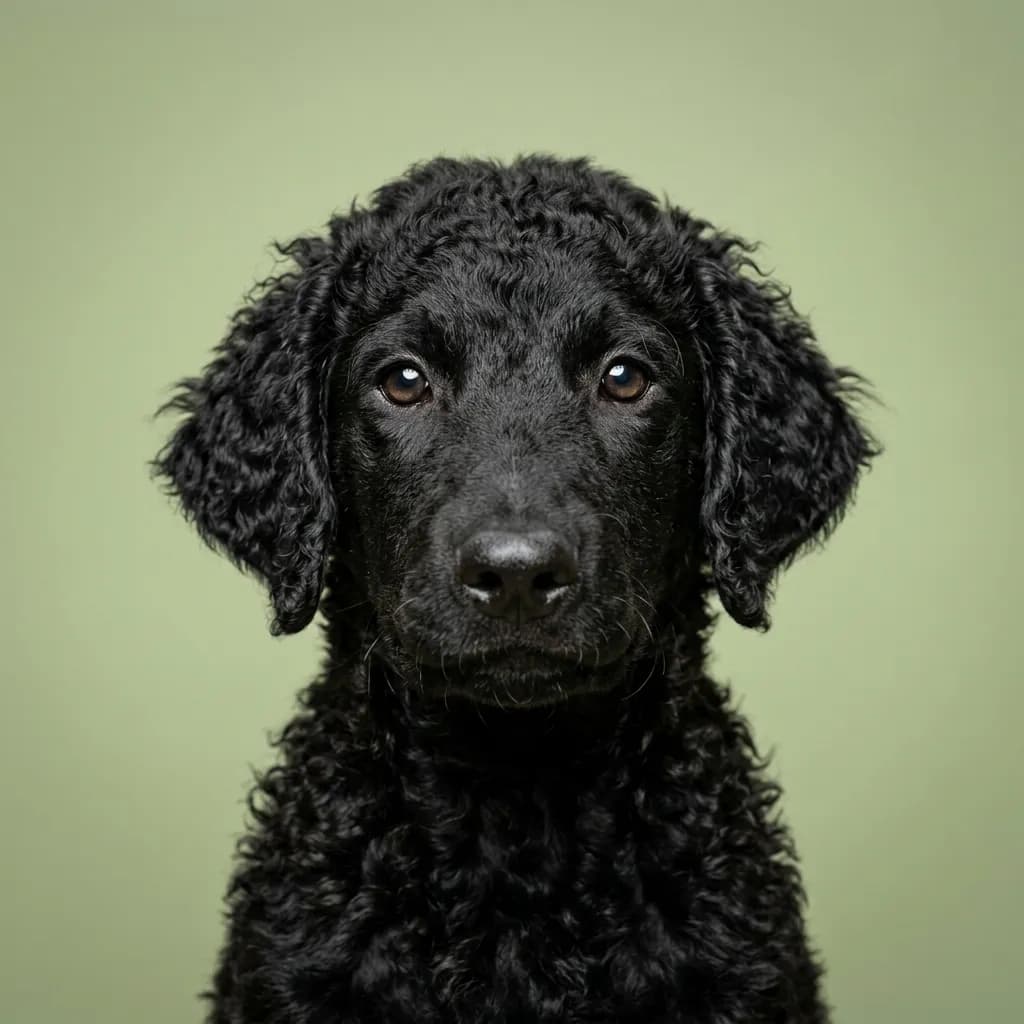
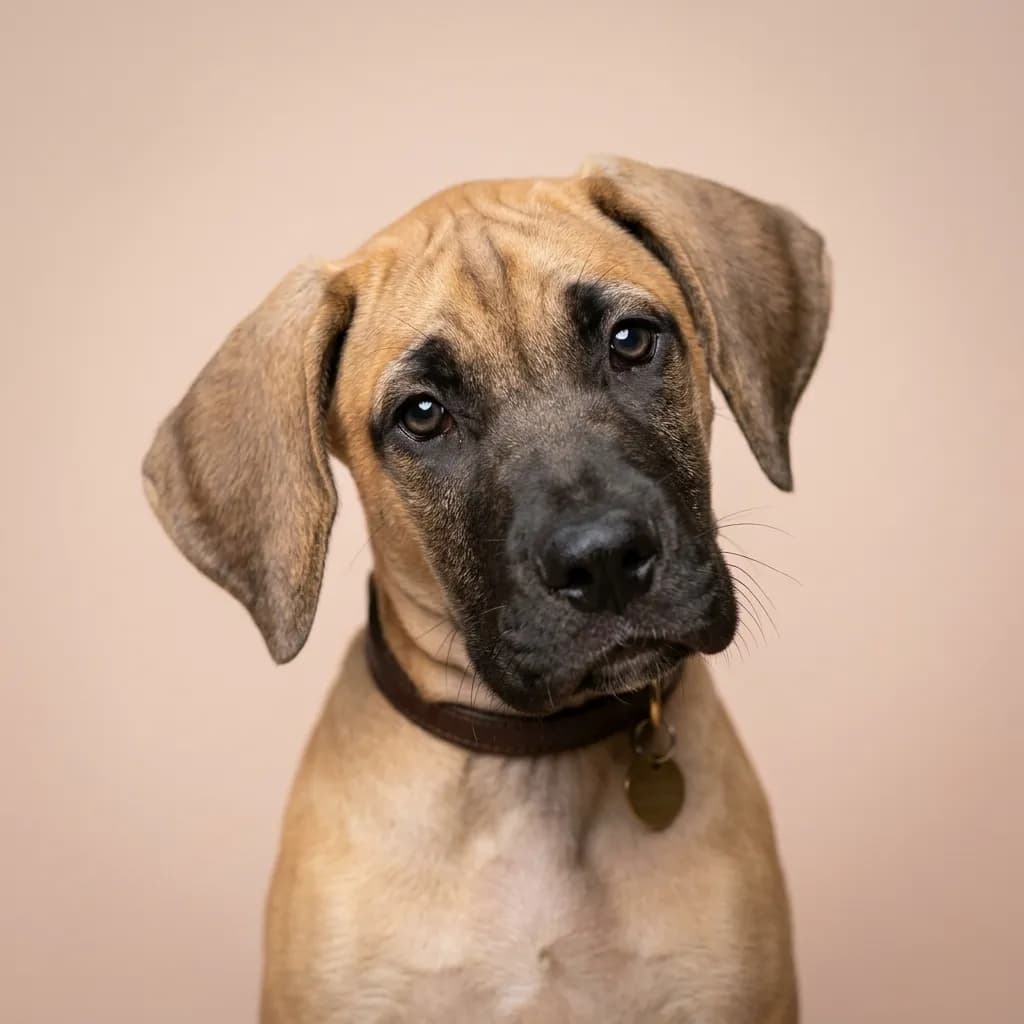
People compare Curly-Coated Retrievers and Great Danes because both are big, striking dogs that families sometimes consider for protection and companionship. But that’s where the similarities end. One is a lean, spring-loaded athlete built for cold ponds and long days afield. The other is a gentle giant bred to stand like a castle gate, calm in the face of danger but deeply attached to its people. The Curly-Coated Retriever thrives where there’s motion. fetching ducks, hiking muddy trails, or training for agility. At 60 to 95 pounds, they’re half the size of a Great Dane but twice as intense in energy and focus. They bond tightly, adore kids, and need mental challenges, but they’re not for couch potatoes. You’ll need space, time, and a tolerance for wet dog smell. Their lifespan is slightly longer, but they demand purpose. Great Danes, meanwhile, can hit 175 pounds and look like living coat racks, but they think they’re lap dogs. They’re patient, deeply affectionate, and often better suited to relaxed family life. just as long as you’ve got a big yard and deep pockets. Their health risks are serious, and their life span is short. Losing a Dane at age 8 hits like a gut punch. Here’s the real talk: Curly-Coats are specialists. They want a job and a seasoned hand. Great Danes are emotional support titans. they’ll shadow you silently, love deeply, and break your heart sooner than you’d like. Pick the Curly if you hunt, train, or live outdoors. Pick the Dane if you want a loyal, calm presence and can handle the cost and grief that comes with loving a giant.
Trait-by-trait
Higher bar = more of that trait. Shedding, barking, drooling, grooming flipped for readability.Where they diverge
Choose the Curly-Coated Retriever if…
- Active families
- Hunters and waterfowlers
- Cold and wet climates
- You value good with young children — Curly-Coated Retriever scores noticeably higher.
Choose the Great Dane if…
- Families with enough space
- Gentle companion seekers
- Those wanting a loyal calm dog
- You value drooling level — Great Dane scores higher here.