Curly-Coated Retriever vs Keeshond
Side-by-side comparison across all 14 AKC trait ratings, with a clear verdict on which breed fits which kind of household.

Not sure which breed fits your life?
Answer five questions about your home, your schedule, and your tolerance for shedding. We’ll match you to your top three breeds from over 200.
Curly-Coated Retriever vs Keeshond
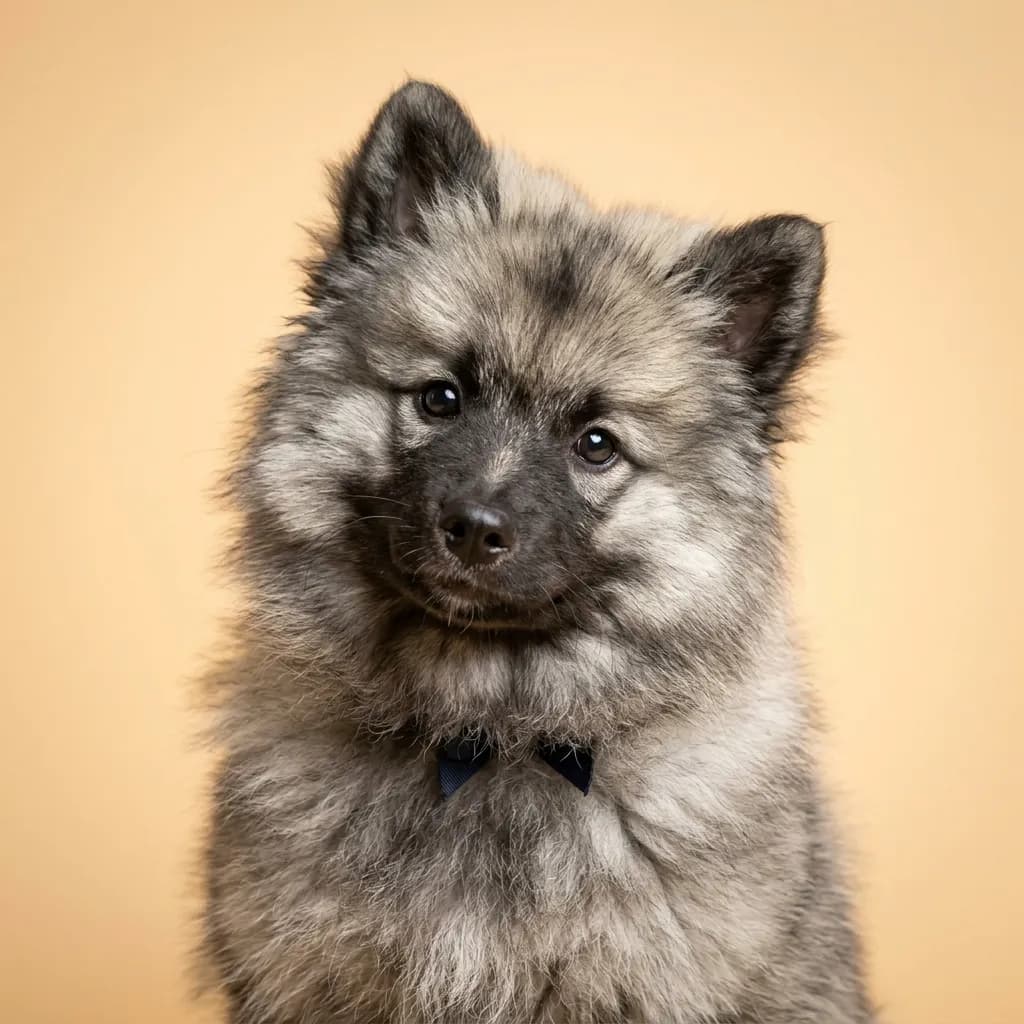
You don’t see a Curly-Coated Retriever and a Keeshond side by side every day, but people end up comparing them when they want a smart, affectionate dog with a distinctive look and a love for cooler weather. On paper, both are friendly, great with kids, and thrive in active homes. But that’s where the similarities drift apart like leaves in a river. The Curly is the athlete. the one you’ll find launching off docks into icy lakes, built lean and powerful for hunting waterfowl. He’s got that tight, hypoallergenic curl and a quiet confidence that borders on aloof with strangers. He’s not a barker, but he needs serious space and harder exercise than most owners anticipate. If you’re hiking, boating, or spending weekends in a duck blind, he’ll be right there, tireless and focused. But apartment life? A death sentence. And first-time owners often underestimate how much he needs to do. The Keeshond, meanwhile, is the neighborhood ambassador. That plush silver-and-gray mane, the expressive eyes, the tail curled over his back like a question mark. he was bred to sit on a barge and watch, and he takes the job seriously. He’ll bark at the mail truck, the squirrels, the wind, which is great if you want a watchdog but tough if you live in a condo. He’s easier to train, more adaptable to city or country, and his smaller size fits tighter spaces. But that thick coat? It sheds. consistently, year-round. and grooming isn’t optional. Here’s what the data won’t tell you: the Curly bonds deeply with one or two people and works to impress them; the Keeshond wants to be everyone’s best friend, all the time. If you want a partner in adventure, go Curly. If you want a loyal, chatty companion who thrives on routine and affection, the Keeshond will steal your heart. and probably your spot on the couch.
Trait-by-trait
Higher bar = more of that trait. Shedding, barking, drooling, grooming flipped for readability.Where they diverge
Choose the Curly-Coated Retriever if…
- Active families
- Hunters and waterfowlers
- Cold and wet climates
Choose the Keeshond if…
- Families with children
- Active owners
- Cold climates
- You value good with other dogs — Keeshond scores higher here.