Curly-Coated Retriever vs Newfoundland
Side-by-side comparison across all 14 AKC trait ratings, with a clear verdict on which breed fits which kind of household.
Not sure which breed fits your life?
Answer five questions about your home, your schedule, and your tolerance for shedding. We’ll match you to your top three breeds from over 200.
Curly-Coated Retriever vs Newfoundland
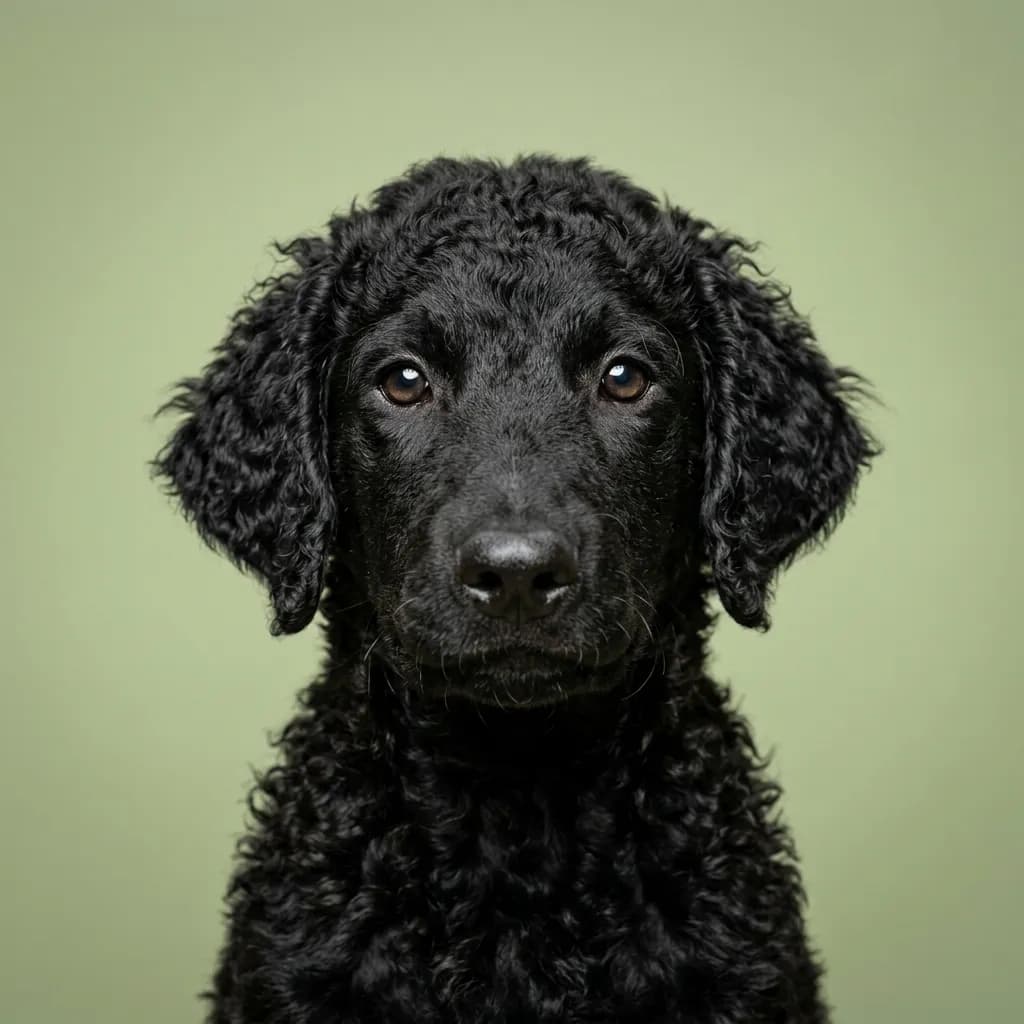
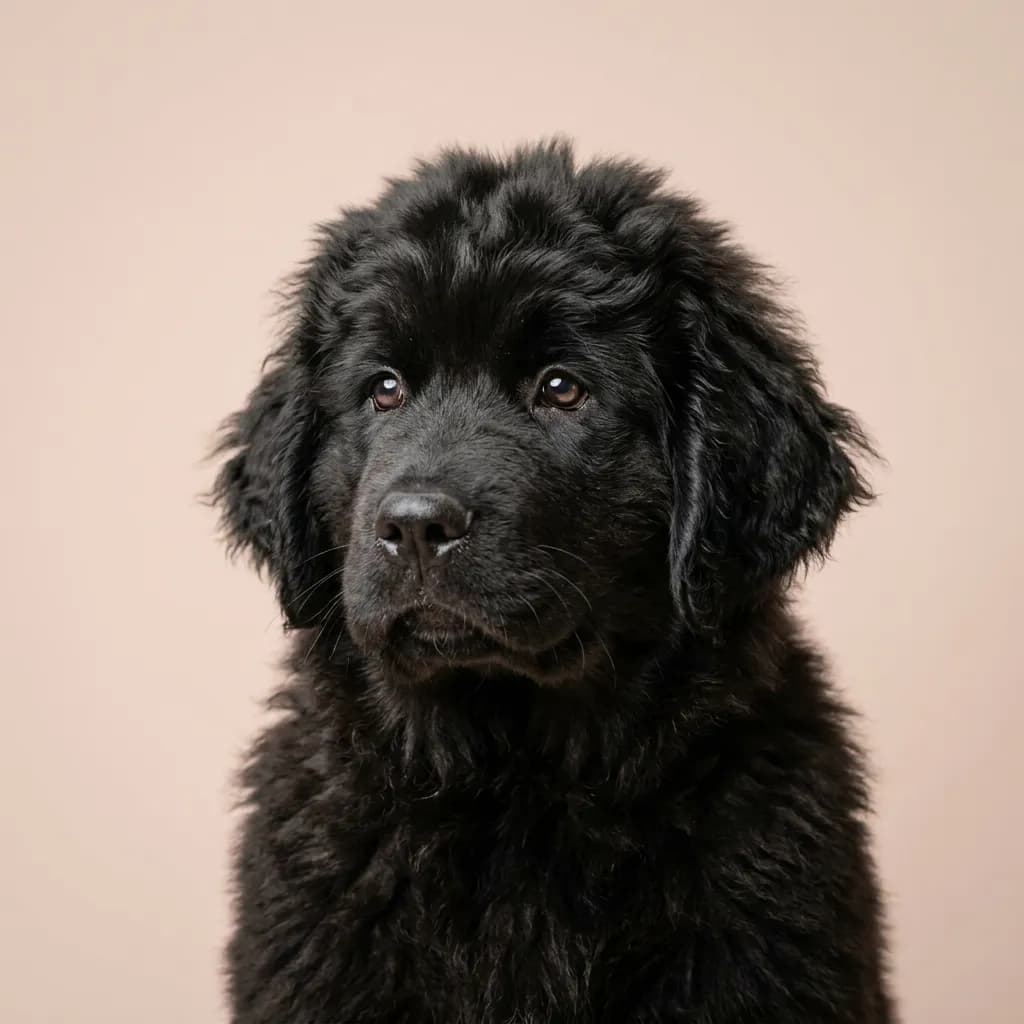
You don’t see many people torn between a Curly-Coated Retriever and a Newfoundland. But if you’re standing in the rain at a lake’s edge, watching your dog dive after ducks while your kids laugh on the dock, suddenly it makes sense. Both breeds thrive in cold water, adore families, and carry that rare blend of strength and tenderness. But that’s where the similarity ends. The Curly is your sharp, athletic partner in adventure. At 60 to 95 pounds, he’s lean and built for speed, with a spring-loaded energy that demands daily swims, long hikes, or fieldwork. He’s smart enough to outthink you, so if you’re not providing mental challenges, he’ll create his own. usually involving your slippers. He’s reserved with strangers, alert without being loud, and his tight curls shed surprisingly little. But he’s not for beginners. He needs an owner who speaks fluent dog, someone who can lead with consistency and keep up physically. The Newfoundland, meanwhile, is the gentle giant who’d rather carry a child to shore than fetch a duck. At 100 to 150 pounds, he moves like a soft avalanche. slow, steady, deeply calm. He’s happiest when he has a job, like pulling a cart or swimming out to “rescue” your toddler from the shallow end. He drools. He sheds. He needs space and cool temps. But his sweetness is unmatched, a quiet, stoic love that fills a room. Here’s the real difference: the Curly wants to work with you. The Newf wants to be there for you. Choose the Curly if you need a driven, responsive partner. Choose the Newf if you want a loyal, calming presence who just happens to weigh more than your kid.
Trait-by-trait
Higher bar = more of that trait. Shedding, barking, drooling, grooming flipped for readability.Where they diverge
Choose the Curly-Coated Retriever if…
- Active families
- Hunters and waterfowlers
- Cold and wet climates
- You value barking level — Curly-Coated Retriever scores noticeably higher.
Choose the Newfoundland if…
- Families with children
- Water and outdoor enthusiasts
- Those wanting a gentle giant
- You value drooling level — Newfoundland scores higher here.