Curly-Coated Retriever vs Pug
Side-by-side comparison across all 14 AKC trait ratings, with a clear verdict on which breed fits which kind of household.

Not sure which breed fits your life?
Answer five questions about your home, your schedule, and your tolerance for shedding. We’ll match you to your top three breeds from over 200.
Curly-Coated Retriever vs Pug
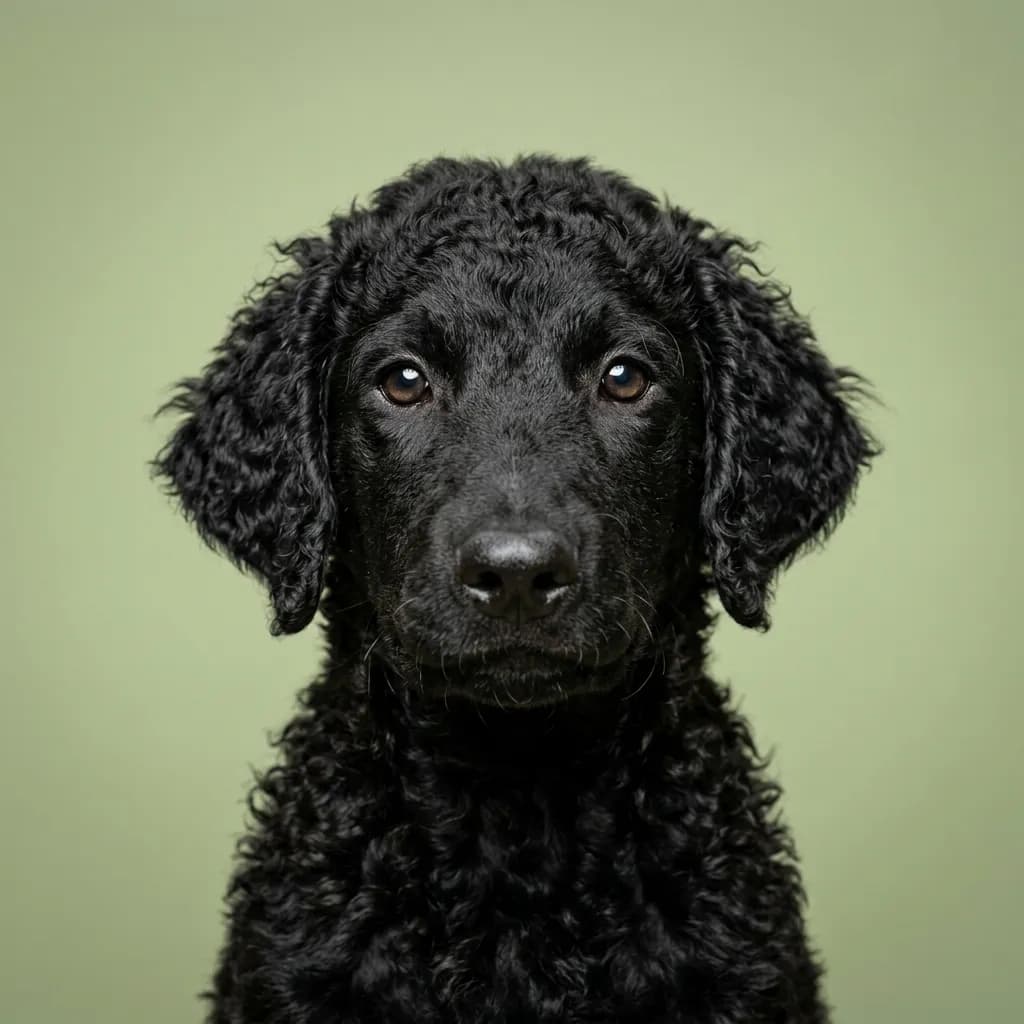
You’d never think someone would compare a Pug and a Curly-Coated Retriever. on paper, they’re nothing alike. But here’s the real talk moment: people cross-shop these two because both promise loyalty wrapped in a goofy, affectionate package. They want a dog that’s “fun” and “loves the family,” and both breeds deliver on that. But that’s where the similarity ends. The Curly-Coated Retriever is a high-octane athlete built for cold lakes and long days in the field. This dog thrives when it has a job. retrieving ducks, running agility, hiking rugged trails. You’ll need space, time, and energy to match. They’re smart enough to outthink you, so if you’re not consistent, they’ll start running the household. And yes, they’re gentle with kids, but their idea of play might knock over a toddler. The Pug? Total homebody. Happy on your lap, snoring through Netflix marathons, charming everyone with that grumpy face. They adapt to apartments like pros and don’t need much space to be content. But don’t be fooled by their chill vibe. they’re stubborn in training, and their flat faces mean heat, humidity, or even overexcitement can send them into breathing trouble. Here’s the truth beyond the stats: the Curly is a full lifestyle commitment. You’re not just getting a dog. you’re signing up for an outdoor partner. The Pug, though? They’re the ultimate companion, but you’ll pay in vet bills and fur-covered furniture. Shedding is insane. your black pants will never survive. Pick the Curly if you’re active, experienced, and live where it’s cool and wet. Pick the Pug if you want a portable, loving buddy and can handle the health quirks. They’re both loyal, but one wants to climb a mountain with you; the other just wants to steal your pillow.
Trait-by-trait
Higher bar = more of that trait. Shedding, barking, drooling, grooming flipped for readability.Where they diverge
Choose the Curly-Coated Retriever if…
- Active families
- Hunters and waterfowlers
- Cold and wet climates
- You value barking level — Curly-Coated Retriever scores noticeably higher.
Choose the Pug if…
- Apartment living
- Seniors
- Families with children
- You value shedding level — Pug scores higher here.