Curly-Coated Retriever vs Puli
Side-by-side comparison across all 14 AKC trait ratings, with a clear verdict on which breed fits which kind of household.
Not sure which breed fits your life?
Answer five questions about your home, your schedule, and your tolerance for shedding. We’ll match you to your top three breeds from over 200.
Curly-Coated Retriever vs Puli
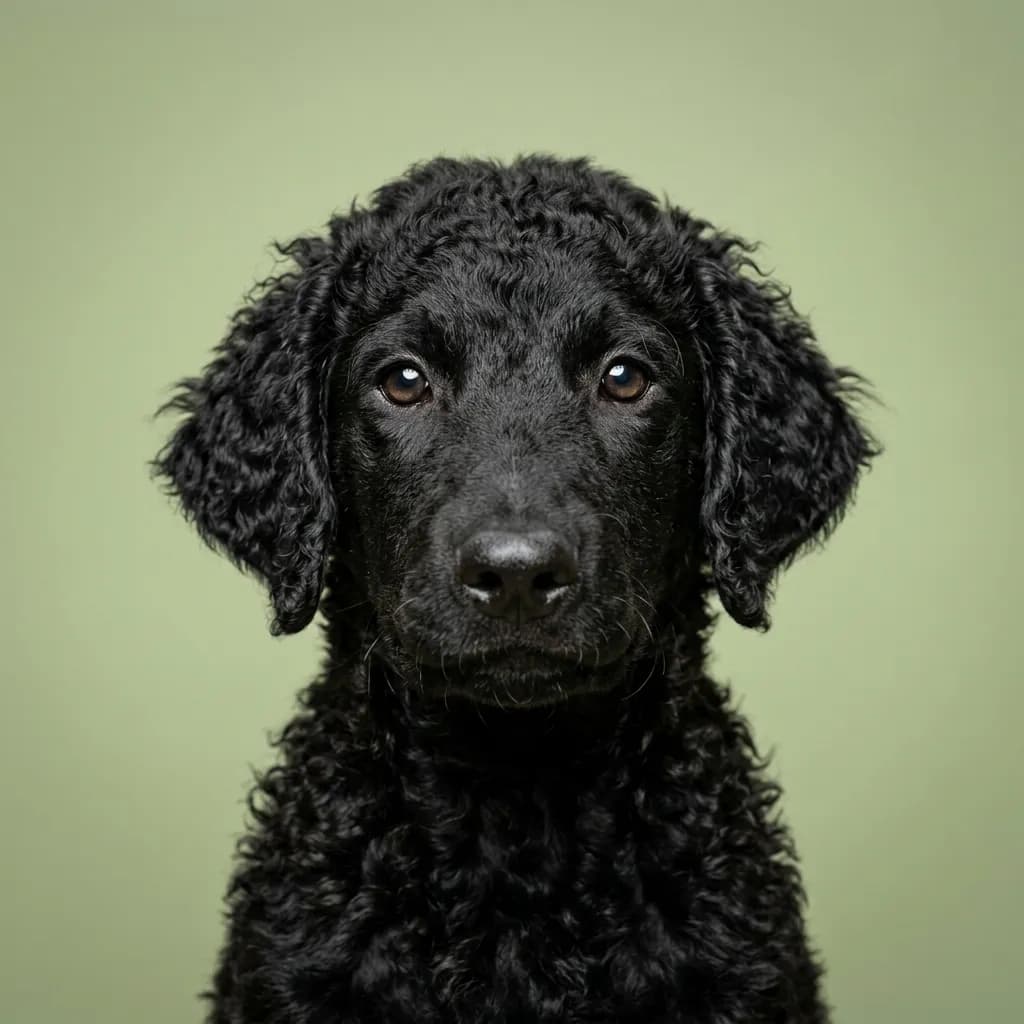
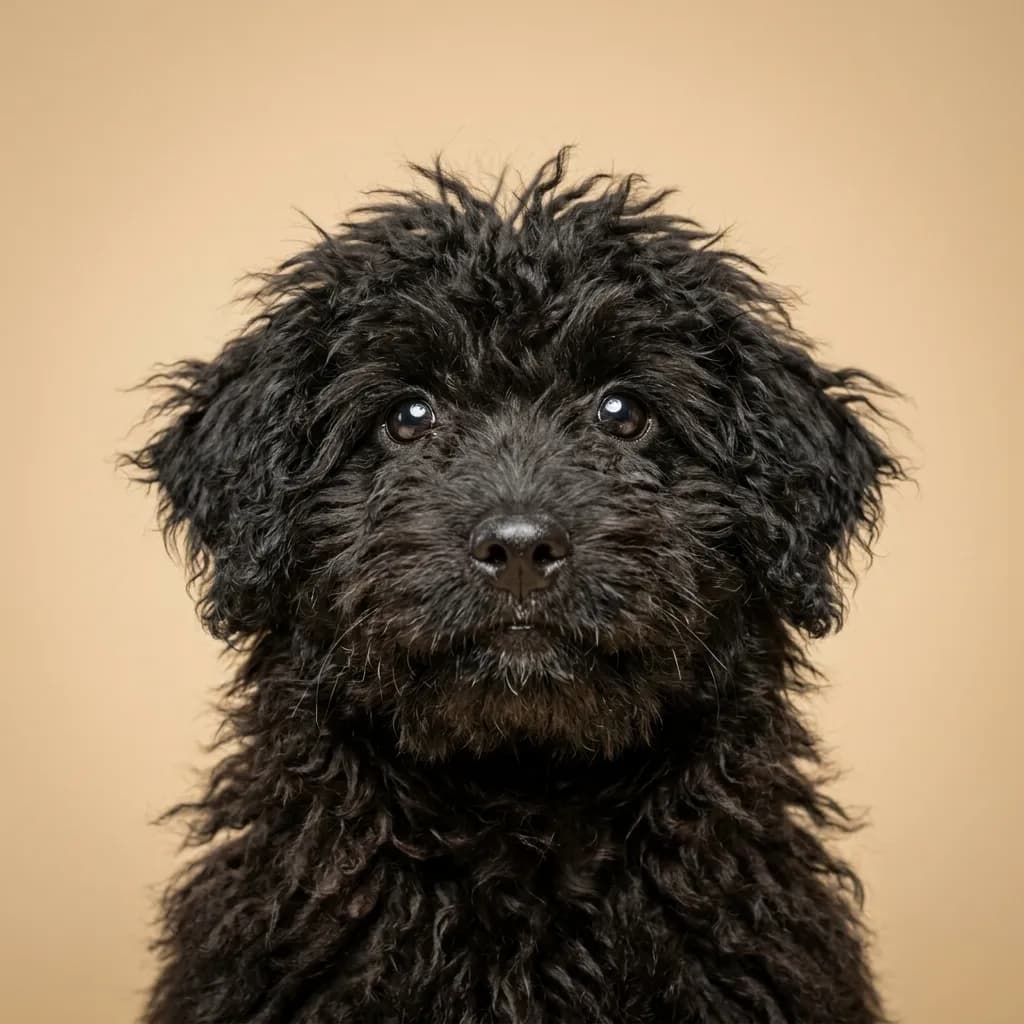
People compare the Curly-Coated Retriever and the Puli because both wear their hair like rock stars. one a mass of tight, water-resistant curls, the other in dramatic, corded dreadlocks. At first glance, they look like stylistic cousins. They’re not. This isn’t just coat deep. It’s lifestyle deep. The Curly-Coated Retriever is built for action. At 60 to 95 pounds, this dog was bred to plunge into icy lakes after ducks, then do it again all day. You’ll need space, cold weather tolerance, and an owner who thrives outdoors. They’re smart, yes, but they’re also independent. confident to the point of aloofness with strangers. They’re great with kids, but they need jobs. Without one, that sharp mind turns to mischief. Boredom is their kryptonite. The Puli, meanwhile, is half the size and twice the personality. Originally a livestock guardian on Hungarian plains, this 25 to 35-pound dynamo lives to bond, work, and stay mentally engaged. They’re intensely loyal, deeply trainable, and thrive on puzzles and tasks. But their coat? Those cords aren’t low maintenance. You’re committing to daily separation, thorough drying, and years of upkeep. Skip it, and you’re asking for mats and skin issues. Families with an active outdoor life in a colder climate might lean toward the Curly-Coated Retriever. But if you’re a detail-oriented, experienced dog owner who wants a deeply connected, agile companion and doesn’t mind the grooming grind, the Puli could be your soulmate. Here’s the real talk: the Puli’s “good with kids” rating is misleading. They’re not naturally kid-patient. they’re alert and can be wary. Early, consistent socialization is non-negotiable. Pick the Puli because you want a partner, not just a pet. The Curly? Pick it because you need a tough, joyful co-pilot who won’t flinch in the rain.
Trait-by-trait
Higher bar = more of that trait. Shedding, barking, drooling, grooming flipped for readability.Where they diverge
Choose the Curly-Coated Retriever if…
- Active families
- Hunters and waterfowlers
- Cold and wet climates
- You value good with young children — Curly-Coated Retriever scores noticeably higher.
Choose the Puli if…
- Active families
- Experienced dog owners
- Those wanting a unique coat
- You value coat grooming — Puli scores higher here.