Curly-Coated Retriever vs Sussex Spaniel
Side-by-side comparison across all 14 AKC trait ratings, with a clear verdict on which breed fits which kind of household.
Not sure which breed fits your life?
Answer five questions about your home, your schedule, and your tolerance for shedding. We’ll match you to your top three breeds from over 200.
Curly-Coated Retriever vs Sussex Spaniel
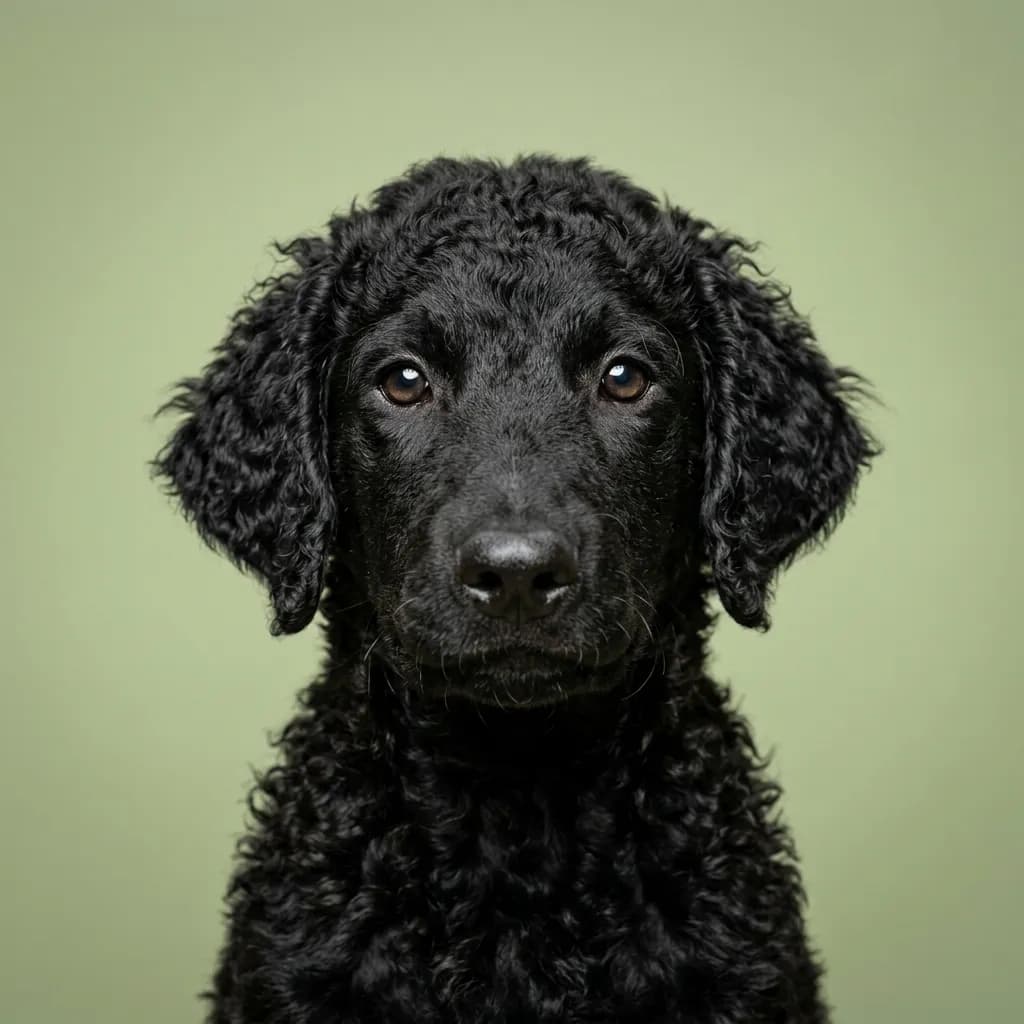
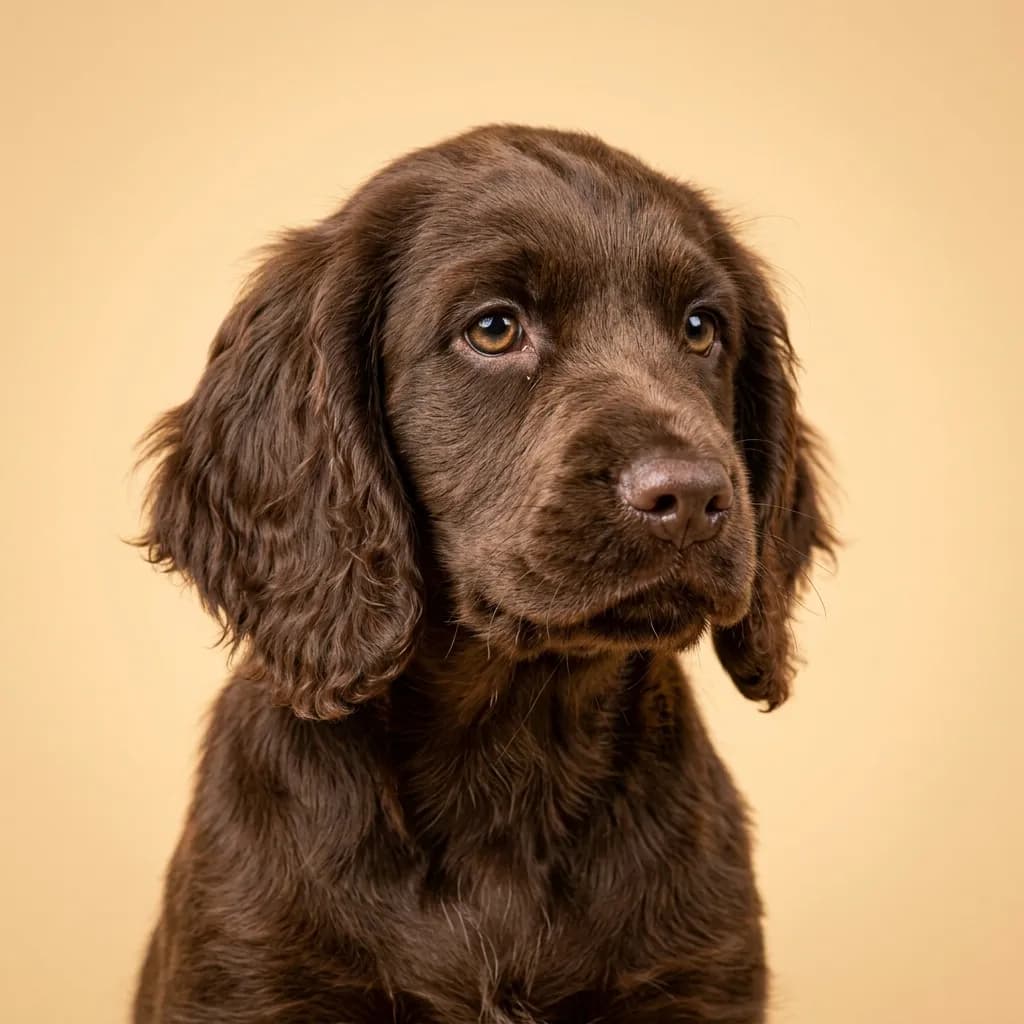
People compare Curly-Coated Retrievers and Sussex Spaniels because they’re both rare, both sporting dogs from England, and both have that warm, old-school charm. But in practice, they’re about as alike as a kayak and a rocking chair. one’s built for speed and distance, the other for steady, deliberate comfort. The Curly-Coated Retriever is the athlete. At 60 to 95 pounds and built for cold ponds and wide fields, this dog lives for action. You’ll need to hunt, swim, or at least commit to serious daily exercise. They’re whip-smart and bold, thriving in homes with space and active owners who can keep them mentally engaged. They’re incredibly affectionate with their people and great with kids, but their energy and intensity can overwhelm a laid-back household. And while they don’t shed much, their tight curls need maintenance. The Sussex Spaniel is a deep contrast. short, solid, and built low to the ground, designed to push through thick underbrush at a deliberate pace. They’re calm, even-tempered, and happy on moderate walks or backyard play. They love their families and are deeply affectionate, though a bit reserved with kids. What you won’t find in the breed summaries? Their voice. Sussex dogs talk. soft grumbles, loud barks, constant commentary. They’re not silent, and they’re not fast, but they’ll stick by your side like a furry therapist with a job. Here’s the real insight: the Curly wants to do something important every single day. The Sussex just wants to be with you, slowly. Pick based on your pace, not your plans.
Trait-by-trait
Higher bar = more of that trait. Shedding, barking, drooling, grooming flipped for readability.Where they diverge
Choose the Curly-Coated Retriever if…
- Active families
- Hunters and waterfowlers
- Cold and wet climates
- You value good with young children — Curly-Coated Retriever scores noticeably higher.
Choose the Sussex Spaniel if…
- Moderately active owners
- Hunters in dense cover
- Families with children
- You value coat grooming — Sussex Spaniel scores higher here.