Curly-Coated Retriever vs Welsh Terrier
Side-by-side comparison across all 14 AKC trait ratings, with a clear verdict on which breed fits which kind of household.
Not sure which breed fits your life?
Answer five questions about your home, your schedule, and your tolerance for shedding. We’ll match you to your top three breeds from over 200.
Curly-Coated Retriever vs Welsh Terrier
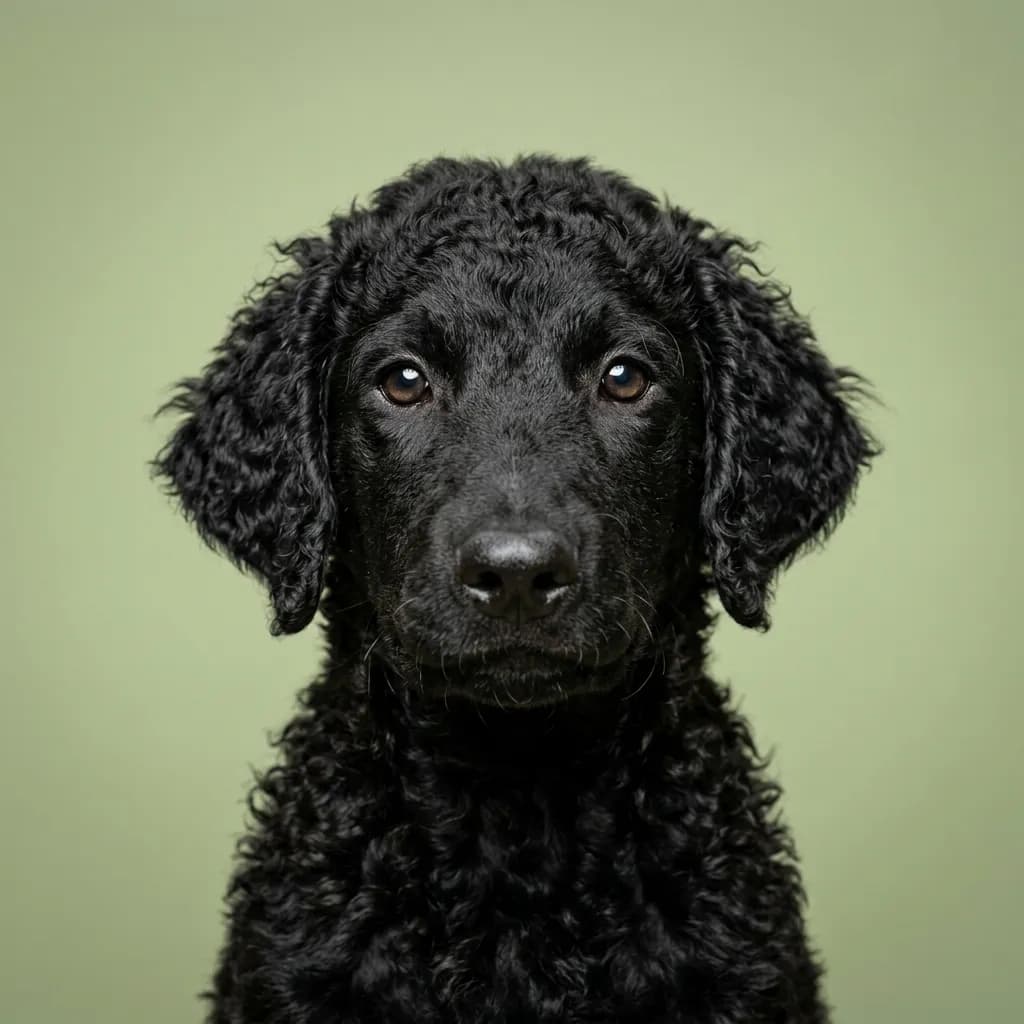
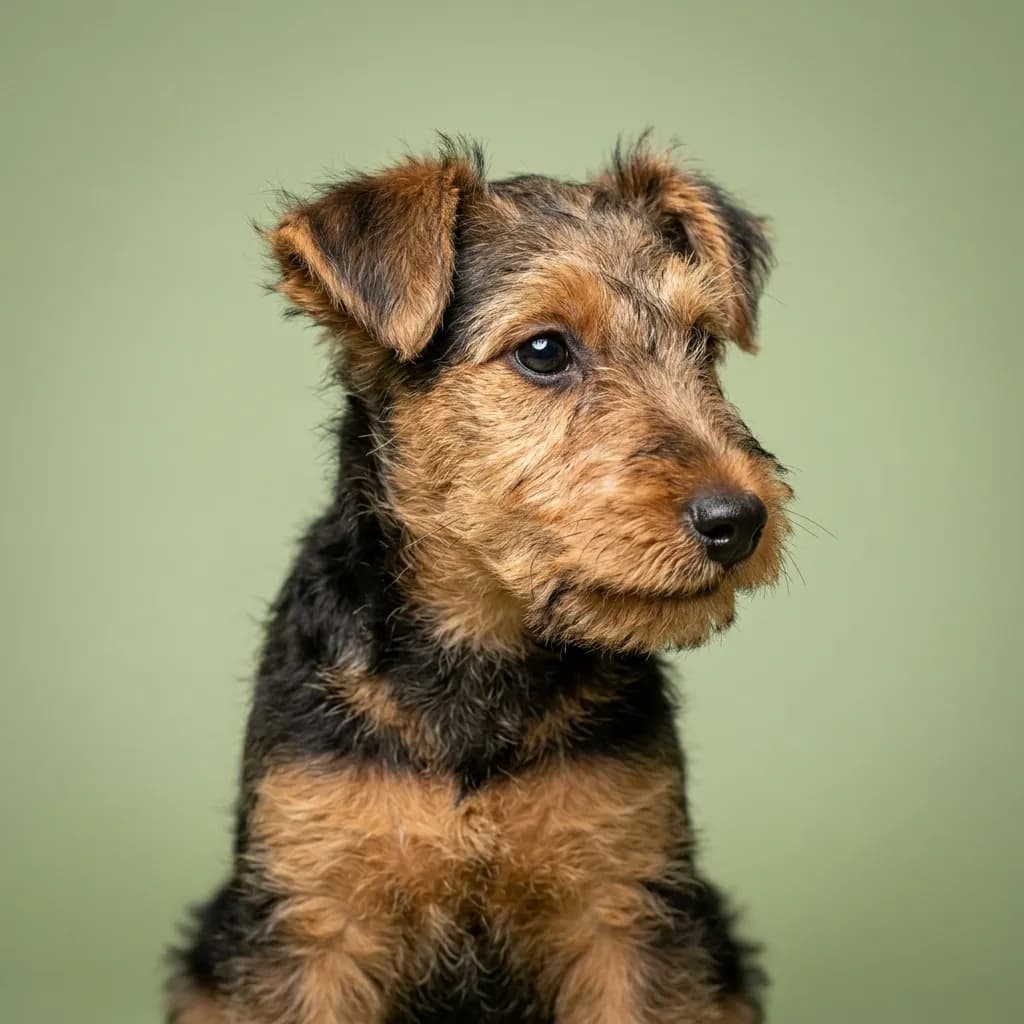
You don’t see a Curly-Coated Retriever and a Welsh Terrier side by side at dog parks often, but people compare them when they’re after a loyal, curly-haired dog that doesn’t shed much and loves kids. That’s where the similarities end. these two are built for entirely different lives. The Curly-Coated Retriever is a big, sleek athlete, nearly twice the height of the Welsh Terrier, built like a swimmer with webbed toes and a coat that sheds rain, not fur. If you live near a lake, hunt waterfowl, or want a dog that can work all day in the cold, this is your breed. They’re deeply affectionate with their family and fearless in the field, but they need space and purpose. Confine one to an apartment and you’ll pay for it in chewed furniture and boredom barking. The Welsh Terrier, on the other hand, is compact, lively, and tenacious. Don’t let the friendly face fool you. this dog was bred to dig into dens and chase small game. They’re great with kids and surprisingly adaptable, even in townhouses, but they come with a terrier mind: stubborn, alert, and always ready to bolt after a squirrel. You’ll need a solid fence and the patience to outsmart a clever little dynamo. Families with big yards and outdoor lifestyles should go for the Curly. Urbanites or those who want a small, spirited companion with low shedding should pick the Welsh. Here’s the thing the breed standards won’t tell you: both are fiercely loyal, but the Curly watches over your life like a guardian, while the Welsh Terrier acts like your mischievous partner in crime. Pick based on which kind of ally you want.
Trait-by-trait
Higher bar = more of that trait. Shedding, barking, drooling, grooming flipped for readability.Where they diverge
Choose the Curly-Coated Retriever if…
- Active families
- Hunters and waterfowlers
- Cold and wet climates
Choose the Welsh Terrier if…
- Active families
- Those wanting a spirited, playful companion
- Families with children
- You value coat grooming — Welsh Terrier scores higher here.