Czechoslovakian Vlcak vs Schapendoes
Side-by-side comparison across all 14 AKC trait ratings, with a clear verdict on which breed fits which kind of household.
Not sure which breed fits your life?
Answer five questions about your home, your schedule, and your tolerance for shedding. We’ll match you to your top three breeds from over 200.
Czechoslovakian Vlcak vs Schapendoes
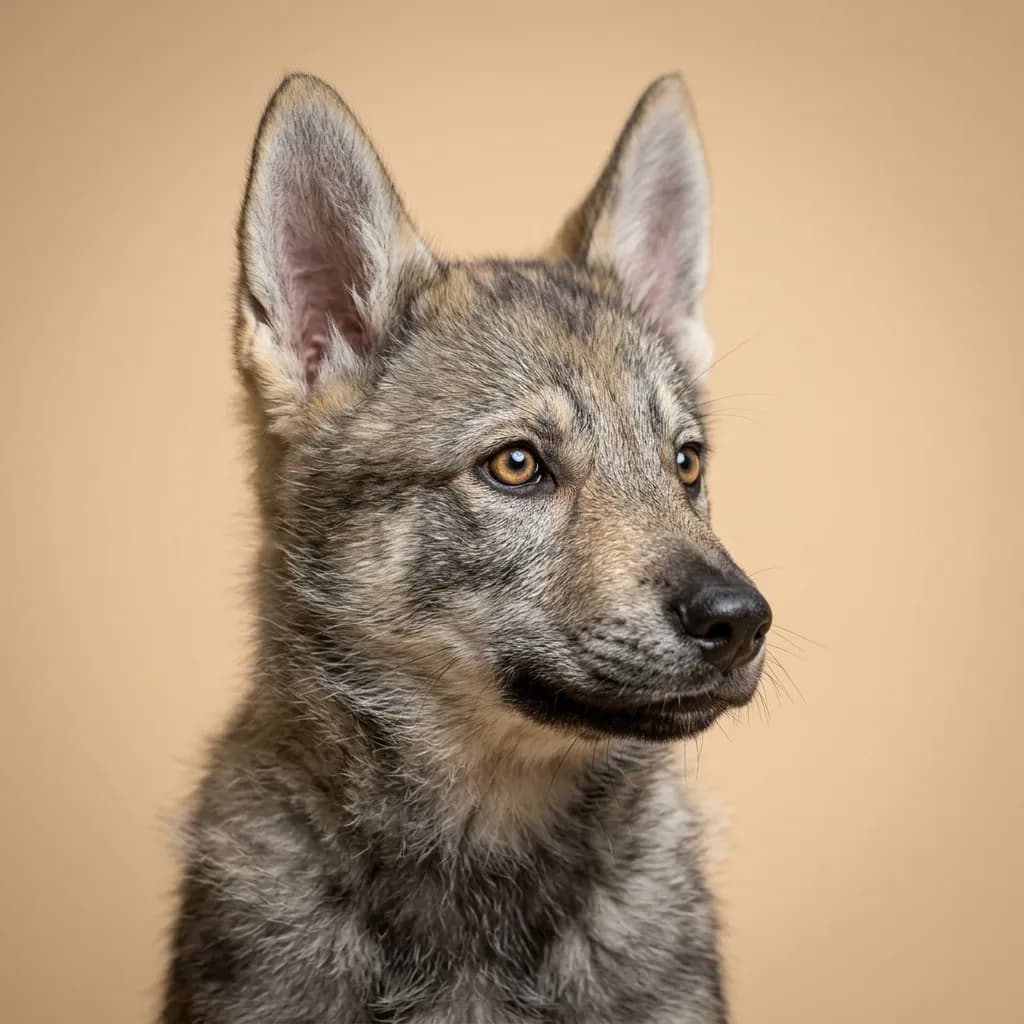
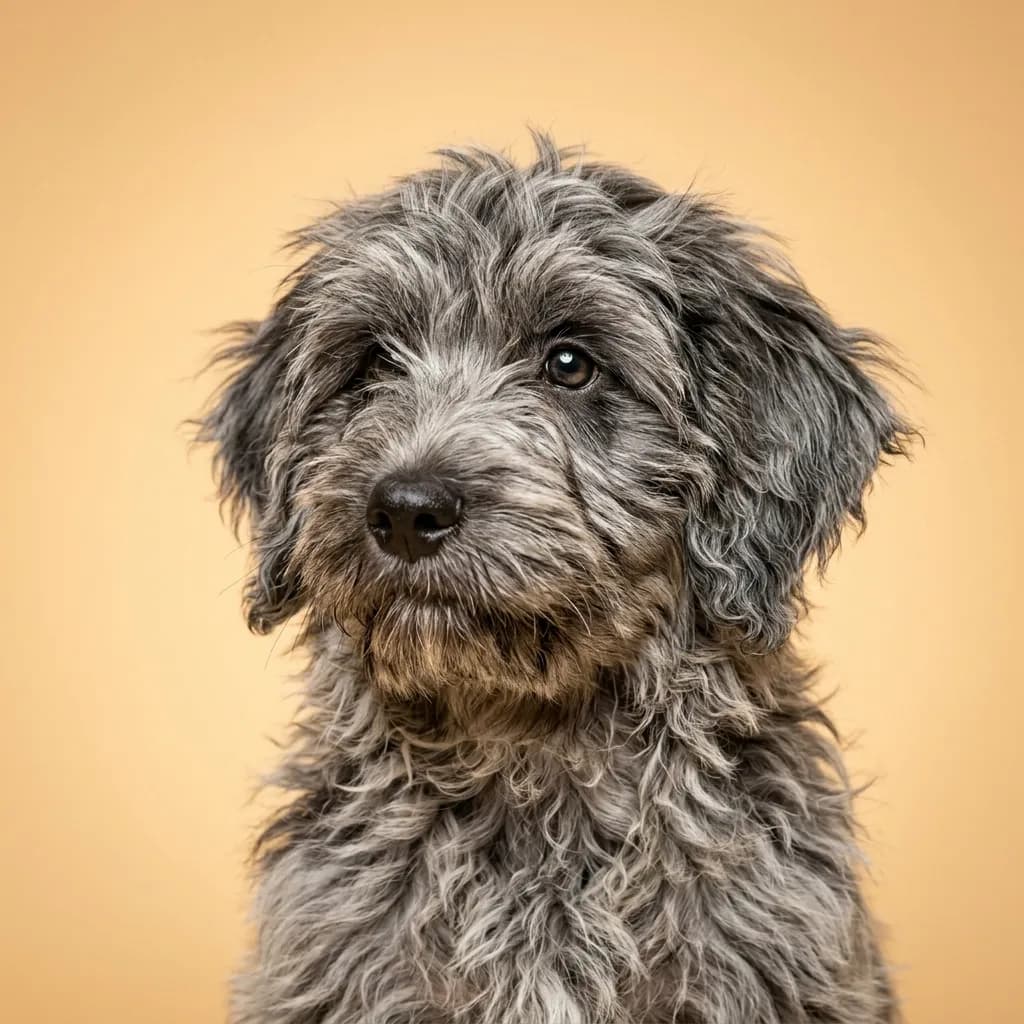
People compare the Czechoslovakian Vlcak and Schapendoes because both are rare, active, and look like they stepped out of a folk tale. but that’s where the similarities end. One’s a wolf-inspired relic bred for military precision, the other a bouncy, bearded Dutch farm dog built for connection and motion. The Vlcak carries wild energy, not in behavior but in need. This dog thrives on structure, space, and a job that pushes its mental limits. You don’t just walk a Vlcak. you train, problem-solve, and commit. They’re loyal to their person, yes, but not in a cuddly way. And they’re not great with small kids; their prey drive and intensity can be overwhelming. You’ll need a yard, experience with strong-willed breeds, and the patience for constant shedding and vet checks for conditions like hip dysplasia and pituitary dwarfism. At $5,000, you’re not just buying a dog. you’re signing up for a lifelong project. The Schapendoes? He’ll bark at the mailman, then try to herd him back to the curb. But he’ll also jump into your lap after a long hike, tail wagging, beard full of burrs. He’s eager to please, shines in agility, and bonds deeply with the whole family. His coat needs weekly brushing, but he’s far less intense than the Vlcak. He’s adaptable enough for a suburban home as long as you’re active. Here’s the real difference: the Vlcak demands respect. The Schapendoes wants partnership. If you’re looking for a companion who’ll match your energy and love, pick the Schapendoes. If you want a near-wolf with a mission and don’t mind the chaos, the Vlcak might just own you.
Trait-by-trait
Higher bar = more of that trait. Shedding, barking, drooling, grooming flipped for readability.Where they diverge
Choose the Czechoslovakian Vlcak if…
- Very experienced dog owners
- Active individuals
- Rural environments
- You value shedding level — Czechoslovakian Vlcak scores noticeably higher.
Choose the Schapendoes if…
- active families
- agility and herding sport enthusiasts
- experienced herding breed owners
- You value good with other dogs — Schapendoes scores higher here.