Dandie Dinmont Terrier vs Dutch Shepherd
Side-by-side comparison across all 14 AKC trait ratings, with a clear verdict on which breed fits which kind of household.
Not sure which breed fits your life?
Answer five questions about your home, your schedule, and your tolerance for shedding. We’ll match you to your top three breeds from over 200.
Dandie Dinmont Terrier vs Dutch Shepherd
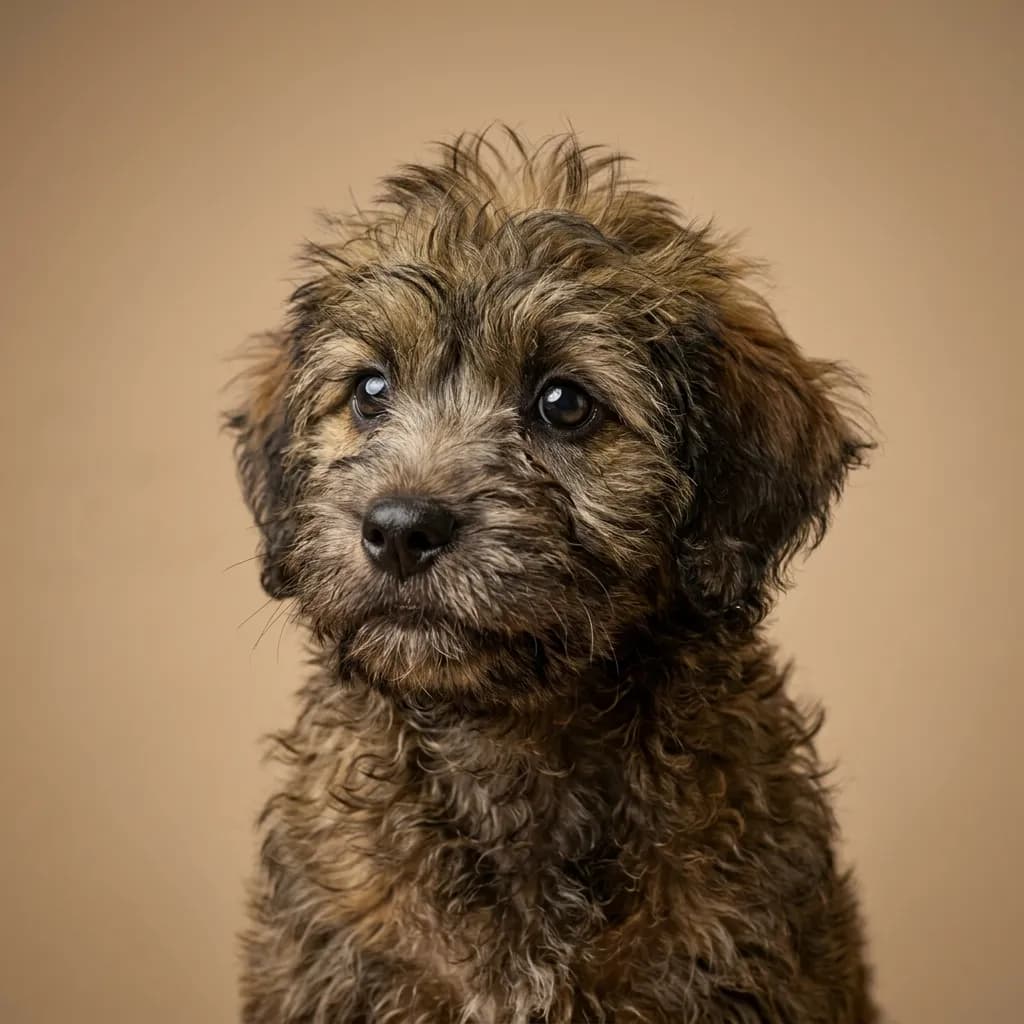
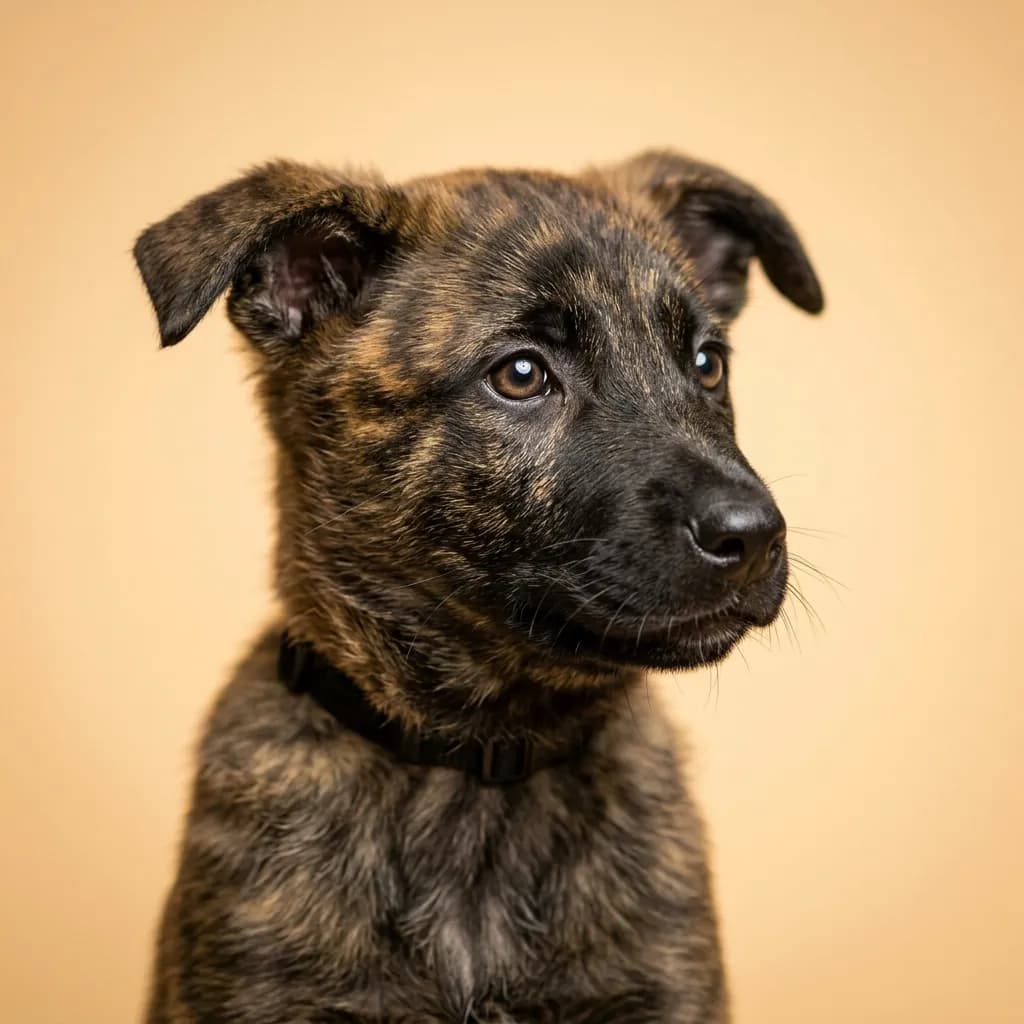
You’re probably not comparing a Dandie Dinmont Terrier and a Dutch Shepherd because they’re obvious rivals. You’re doing it because you’ve dug deep into rare breeds and found two smart, loyal dogs that nobody else seems to own. That’s where the similarity ends. The Dandie is a throwback to old-school terriers. low to the ground, stubborn, and built for squeezing into badger dens. He’s quiet for a terrier, affectionate with his people, and happy to snooze on the couch after a brisk walk. But don’t be fooled by his sleepy eyes. That long back is fragile, and he doesn’t do well with rambunctious kids or off-leash sprints through open fields. He’s better suited to someone who wants a dignified, low-energy companion with a lot of personality and zero interest in herding the kids around the yard. The Dutch Shepherd? He’s the opposite kind of project. Tall, driven, and built like a canine athlete, he needs a job. whether that’s agility, search and rescue, or just serious daily hikes. He’s not hyper, but his brain needs constant engagement. Leave him bored and you’ll come home to a dismantled coffee table. He’s loyal and affectionate, yes, but he’s not a lap dog. He’s a partner. Here’s the real insight: the Dandie thrives on routine and quiet admiration. The Dutch Shepherd thrives on purpose. Pick the Dandie if you want a rare, quirky housemate who’ll charm guests and nap by the fire. Pick the Dutch Shepherd if you want a teammate who’ll push you to be more active, more disciplined, and more committed. One is a gentleman of leisure. The other is a warrior in training.
Trait-by-trait
Higher bar = more of that trait. Shedding, barking, drooling, grooming flipped for readability.Where they diverge
Choose the Dandie Dinmont Terrier if…
- Families with older children
- Apartment living
- Less active individuals
- You value coat grooming — Dandie Dinmont Terrier scores noticeably higher.
Choose the Dutch Shepherd if…
- Active individuals
- Experienced dog owners
- Police and military work
- You value energy level — Dutch Shepherd scores higher here.