Dandie Dinmont Terrier vs Ibizan Hound
Side-by-side comparison across all 14 AKC trait ratings, with a clear verdict on which breed fits which kind of household.
Not sure which breed fits your life?
Answer five questions about your home, your schedule, and your tolerance for shedding. We’ll match you to your top three breeds from over 200.
Dandie Dinmont Terrier vs Ibizan Hound
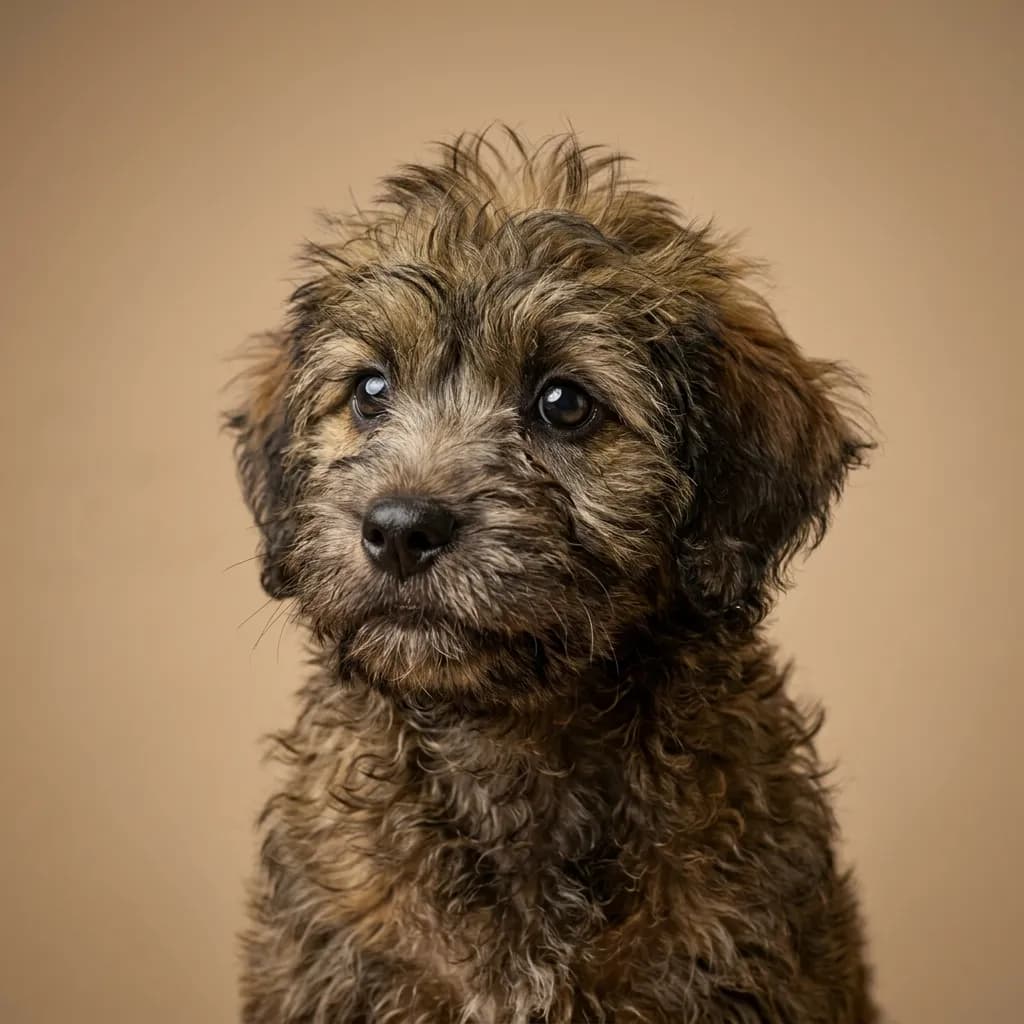
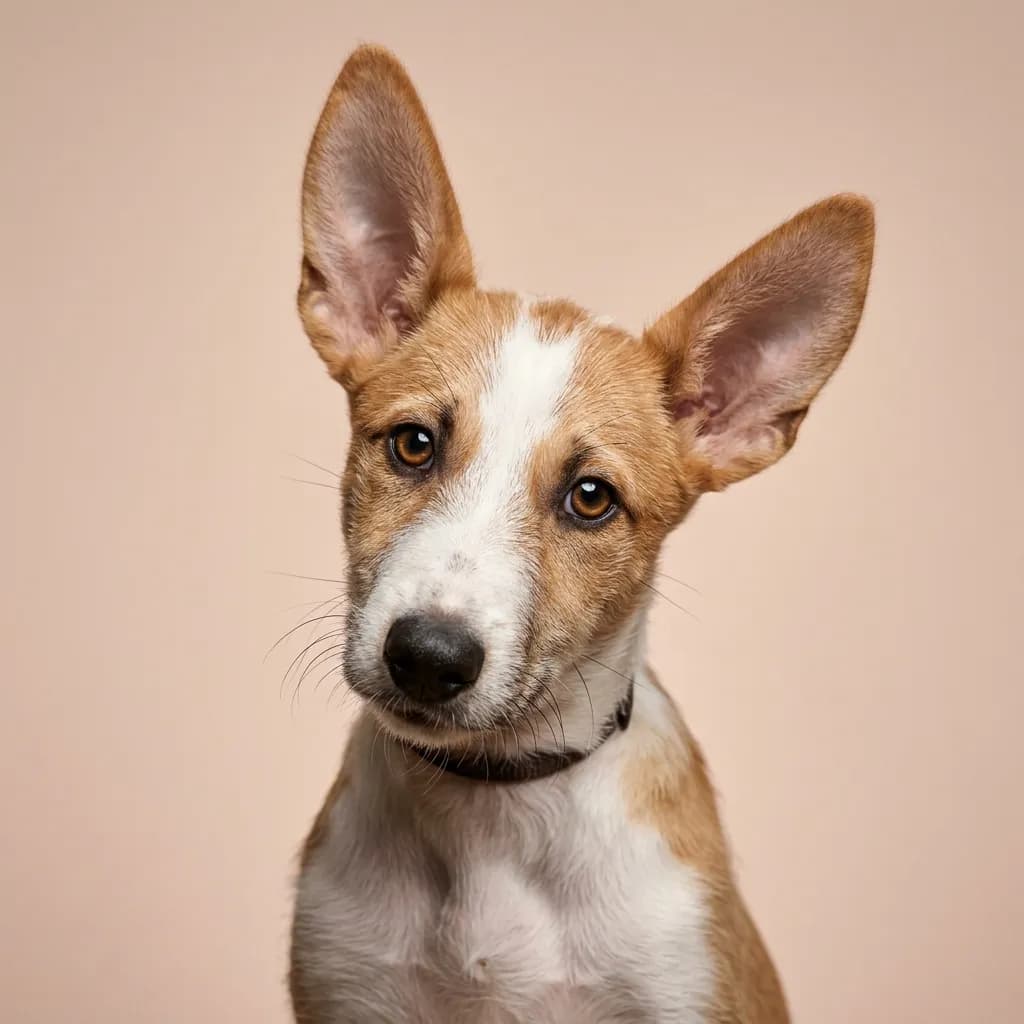
You probably wouldn’t compare a Dandie Dinmont Terrier and an Ibizan Hound if you weren’t deep in the dog world already. One’s a low-slung, topknot-topped terrier from Scotland built like a tank; the other’s a desert-born, alien-eared athlete from Ibiza that moves like a ghost through moonlight. But people do compare them. usually because they’re both rare, both quiet on the bark scale, and both possess that “wait, what is that?” factor. Here’s the real difference: one digs, the other flies. The Dandie is your fireside philosopher. He’s clever, stubborn in a quiet way, and forms a deep bond with one or two people. He’ll nap on your lap, tolerate older kids who respect his space, and maybe dig a hole in your backyard. just because he can. His back is fragile, so no tossing him around or expecting mountain hikes. He’s happiest in a calm home where routines are sacred. The Ibizan is pure motion. Bred to chase rabbits across rocky hills, he needs space and purpose. You can’t just walk this dog. you must move with him. Lure coursing, agility, or at least long off-leash sprints in a secure area. He’s affectionate in a regal way, not clingy, but he’ll follow you from room to room like a silent, leggy shadow. Pick the Dandie if you value quiet companionship and live slower. Pick the Ibizan only if you’re ready to commit to daily physical and mental exhaustion. yours, not just his. Here’s what no one says: both breeds seem aloof at first, but the Dandie judges you silently for weeks, while the Ibizan is waiting patiently to see if you’re worth trusting. Neither forgives poor leadership.
Trait-by-trait
Higher bar = more of that trait. Shedding, barking, drooling, grooming flipped for readability.Where they diverge
Choose the Dandie Dinmont Terrier if…
- Families with older children
- Apartment living
- Less active individuals
- You value coat grooming — Dandie Dinmont Terrier scores noticeably higher.
Choose the Ibizan Hound if…
- Active owners
- Lure coursing sports
- Owners with secure fenced yards
- You value good with other dogs — Ibizan Hound scores higher here.