Dandie Dinmont Terrier vs Poodle
Side-by-side comparison across all 14 AKC trait ratings, with a clear verdict on which breed fits which kind of household.
Not sure which breed fits your life?
Answer five questions about your home, your schedule, and your tolerance for shedding. We’ll match you to your top three breeds from over 200.
Dandie Dinmont Terrier vs Poodle
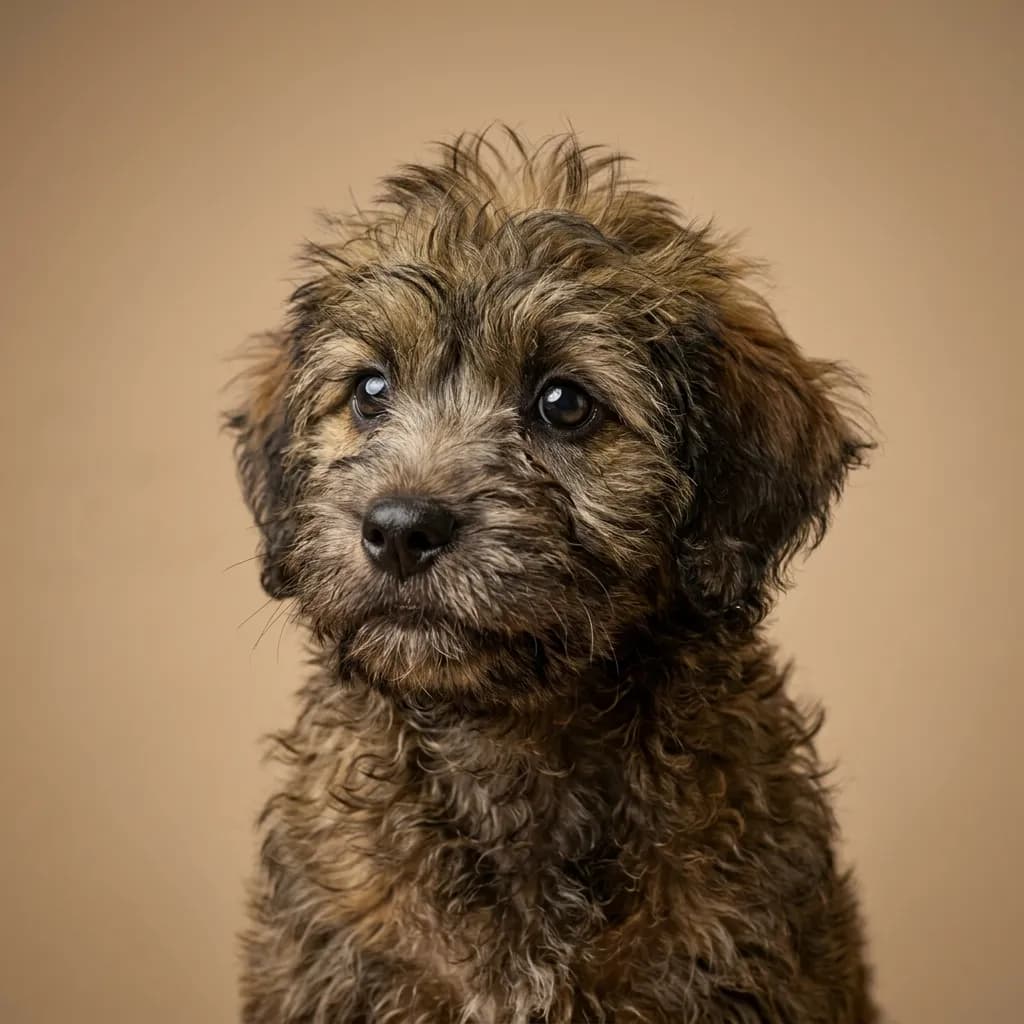
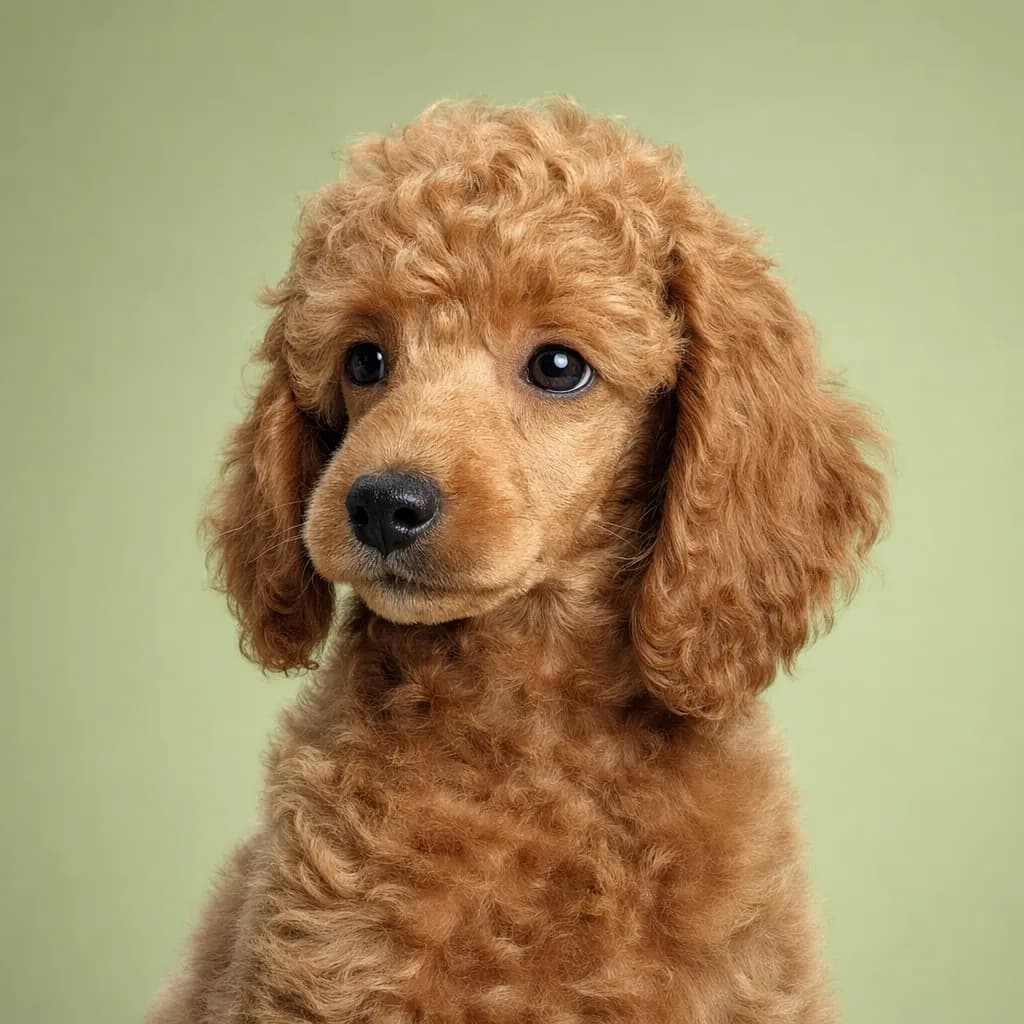
People compare Dandie Dinmont Terriers and Standard Poodles because both are intelligent, proud breeds with a certain dignified flair, but that’s where the similarities end. You’re not just choosing between big and small here. You’re picking two entirely different lifestyles. The Dandie Dinmont is a compact, low-slung terrier with a personality that doesn’t match his size. He’s clever and affectionate with his family, but he’s got that old-school terrier independence. He won’t follow you like a shadow, and he won’t jump through hoops on command. unless he feels like it. He’s ideal if you want a calm-ish apartment dog with character, but don’t expect fetch in the park or easy coexistence with guinea pigs. His back is fragile, so no tossing him around, and he can be a bit reserved with kids under 10. Now, the Standard Poodle? He’s a powerhouse. Energetic, brilliant, and deeply bonded. This dog thrives on mental challenges and physical activity. He’s the kid-friendly, allergy-friendly, dog-sport-dominating machine that does everything well. except skip grooming. You’ll be in the salon every 4-6 weeks, no excuses. The real difference? The Dandie is a quiet companion who tolerates your life. The Poodle wants to be fully involved in yours. If you’re inactive or want a rare conversation piece, the Dandie might win. But if you’re active, have kids, or love training, the Poodle’s your match. Here’s the truth beyond the data: the Dandie looks quirky and sweet, but he’s a terrier through and through. He’ll dig, he’ll bark at squirrels, and he won’t always listen. Don’t be fooled by the topknot. He was bred to go underground after badgers. not cuddle on cue.
Trait-by-trait
Higher bar = more of that trait. Shedding, barking, drooling, grooming flipped for readability.Where they diverge
Choose the Dandie Dinmont Terrier if…
- Families with older children
- Apartment living
- Less active individuals
- You value shedding level — Dandie Dinmont Terrier scores noticeably higher.
Choose the Poodle if…
- Allergy sufferers
- Active families
- First-time owners
- You value good with young children — Poodle scores higher here.