Dandie Dinmont Terrier vs Silky Terrier
Side-by-side comparison across all 14 AKC trait ratings, with a clear verdict on which breed fits which kind of household.
Not sure which breed fits your life?
Answer five questions about your home, your schedule, and your tolerance for shedding. We’ll match you to your top three breeds from over 200.
Dandie Dinmont Terrier vs Silky Terrier
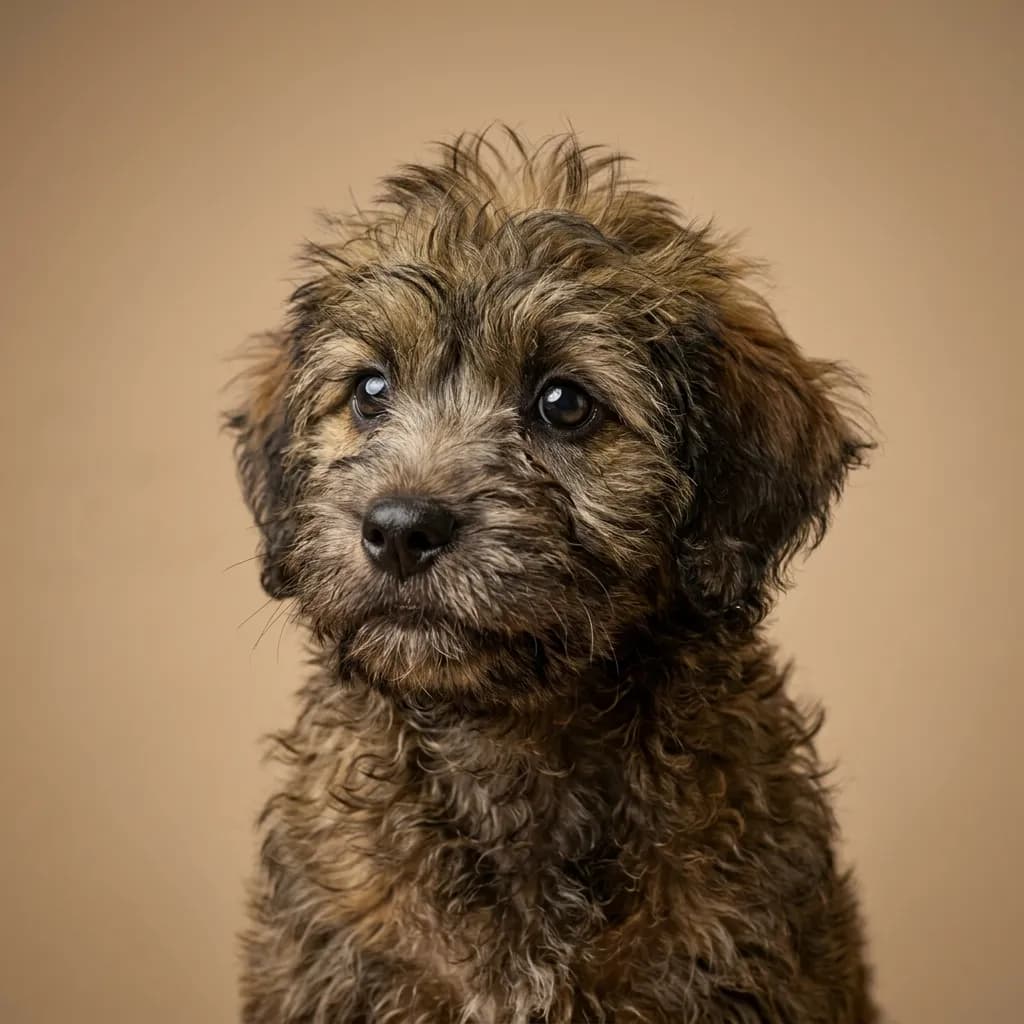
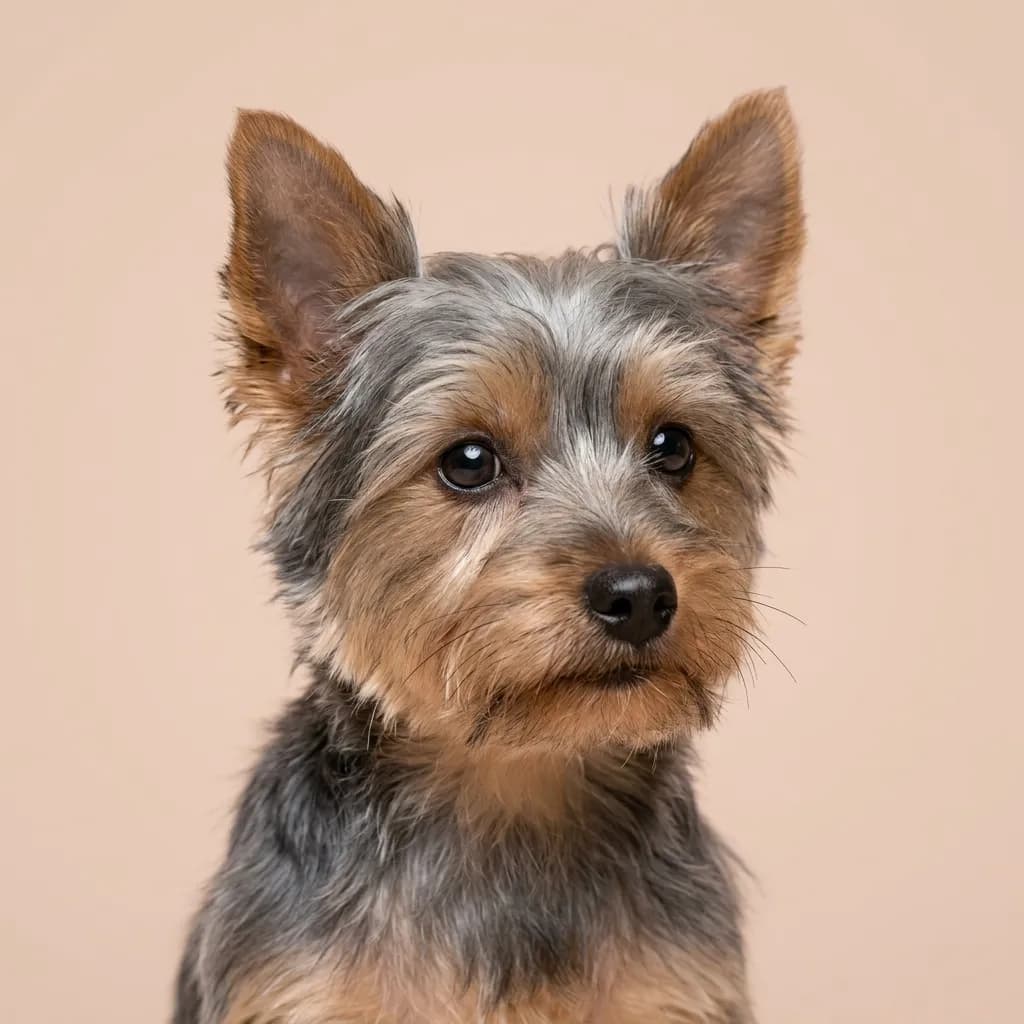
You don’t see Dandie Dinmont Terriers and Silky Terriers in the same conversation every day, but I get why people cross-compare them. Both are small, low-shedding, rare terrier-types with long coats and big personalities packed into compact frames. If you’re looking for a dog that turns heads on walks and doesn’t shed much, these two stand out in a sea of Yorkies and Shih Tzus. But that’s where the similarities quietly unravel. The Dandie is a low-slung, proud little hunter from Scotland with a topknot and a weasel-shaped body built for squeezing into rocky dens. He’s independent, a bit aloof with strangers, and while affectionate, he’ll side-eye you if you try to force cuddles. He’s heavier at up to 24 pounds, and that long back means you can’t let him jump on and off the couch willy-nilly. IVDD is a real concern. He’s better for someone with a calmer home, maybe older kids, and the patience to respect his dignified terrier pride. The Silky, at just 10 pounds, is all spark in a silky blue-and-tan coat. Bred in Australia for killing rats but also for pocketing into a coat, he’s more of a classic companion. He’s eager to please, clings to your side, and will bark at the toaster if it pops too loud. He adapts well to city life or country, but you’ll need to brush him several times a week unless you want mats the size of tennis balls. Here’s the real difference no chart tells you: the Dandie will tolerate you. The Silky will worship you. Pick the Dandie if you want a noble, low-maintenance (emotionally) partner with history in his eyes. Pick the Silky if you want a tiny, loyal shadow who thrives on being part of your every move.
Trait-by-trait
Higher bar = more of that trait. Shedding, barking, drooling, grooming flipped for readability.Where they diverge
Choose the Dandie Dinmont Terrier if…
- Families with older children
- Apartment living
- Less active individuals
Choose the Silky Terrier if…
- Apartment living
- Active owners despite small size
- Those wanting a long-coated but manageable breed
- You value affectionate w/ family — Silky Terrier scores higher here.