Danish-Swedish Farmdog vs Kai Ken
Side-by-side comparison across all 14 AKC trait ratings, with a clear verdict on which breed fits which kind of household.

Not sure which breed fits your life?
Answer five questions about your home, your schedule, and your tolerance for shedding. We’ll match you to your top three breeds from over 200.
Danish-Swedish Farmdog vs Kai Ken
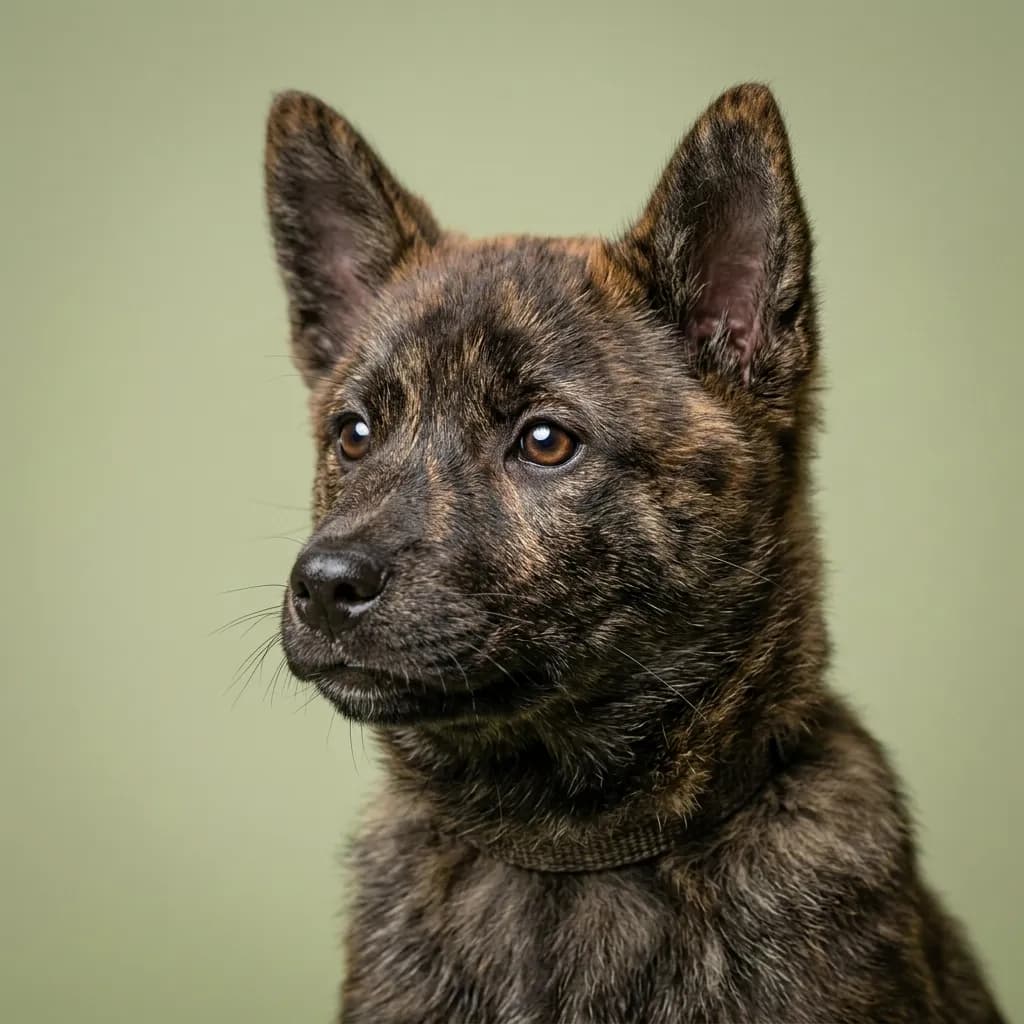
People compare the Danish-Swedish Farmdog and Kai Ken because both are rare, mid-sized, spitz-type dogs with sharp minds and a lot of energy. They look vaguely similar at a glance. compact, alert, built for work. but that’s where the similarities fade. Choosing between them isn’t just preference, it’s lifestyle. The Danish-Swedish Farmdog is the people person. At 15 to 20 pounds, it fits neatly into family life. It’s the dog that’ll high-five your kids, curl up after a walk, and still keep the yard clear of pests. It’s trainable, affectionate, and adaptable enough for an apartment. just don’t skip daily walks and some puzzle toys. This breed wants to be involved, and it’s surprisingly easygoing for such a lively dog. The Kai Ken is more reserved, more intense. Built for mountain hunts in Japan, it’s 20 to 40 pounds of coiled energy and independence. It bonds deeply with one or two people but isn’t eager to greet your guests or play with your niece. It needs space, cold weather, and a job. preferably something that involves tracking or agility. It’s not for first-time owners because it won’t tolerate inconsistency or boredom. Here’s the real difference: the Farmdog wants to join your life. The Kai Ken wants to lead its own, alongside you. If you’re a busy family that hikes on weekends and wants a dog that’s fun and forgiving, go Farmdog. If you’re an experienced handler in a rural area craving a loyal, driven partner, the Kai Ken might be your match. Just know. this dog won’t pretend to love everyone. And that’s kind of the point.
Trait-by-trait
Higher bar = more of that trait. Shedding, barking, drooling, grooming flipped for readability.Where they diverge
Choose the Danish-Swedish Farmdog if…
- Active families
- Families with children
- Apartment living (with exercise)
- You value affectionate w/ family — Danish-Swedish Farmdog scores noticeably higher.
Choose the Kai Ken if…
- Experienced dog owners
- Active owners
- Cold climates
- You value shedding level — Kai Ken scores higher here.