Danish-Swedish Farmdog vs Tosa
Side-by-side comparison across all 14 AKC trait ratings, with a clear verdict on which breed fits which kind of household.
Not sure which breed fits your life?
Answer five questions about your home, your schedule, and your tolerance for shedding. We’ll match you to your top three breeds from over 200.
Danish-Swedish Farmdog vs Tosa
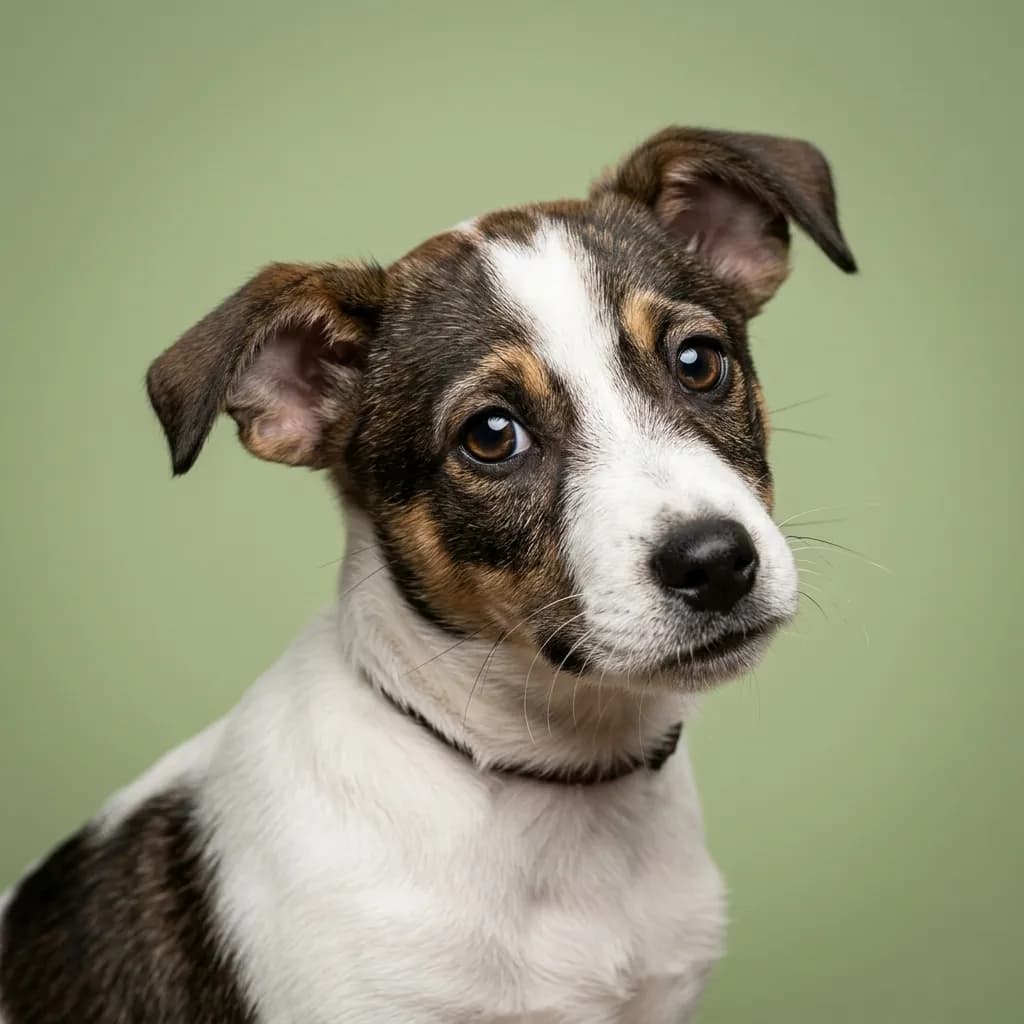
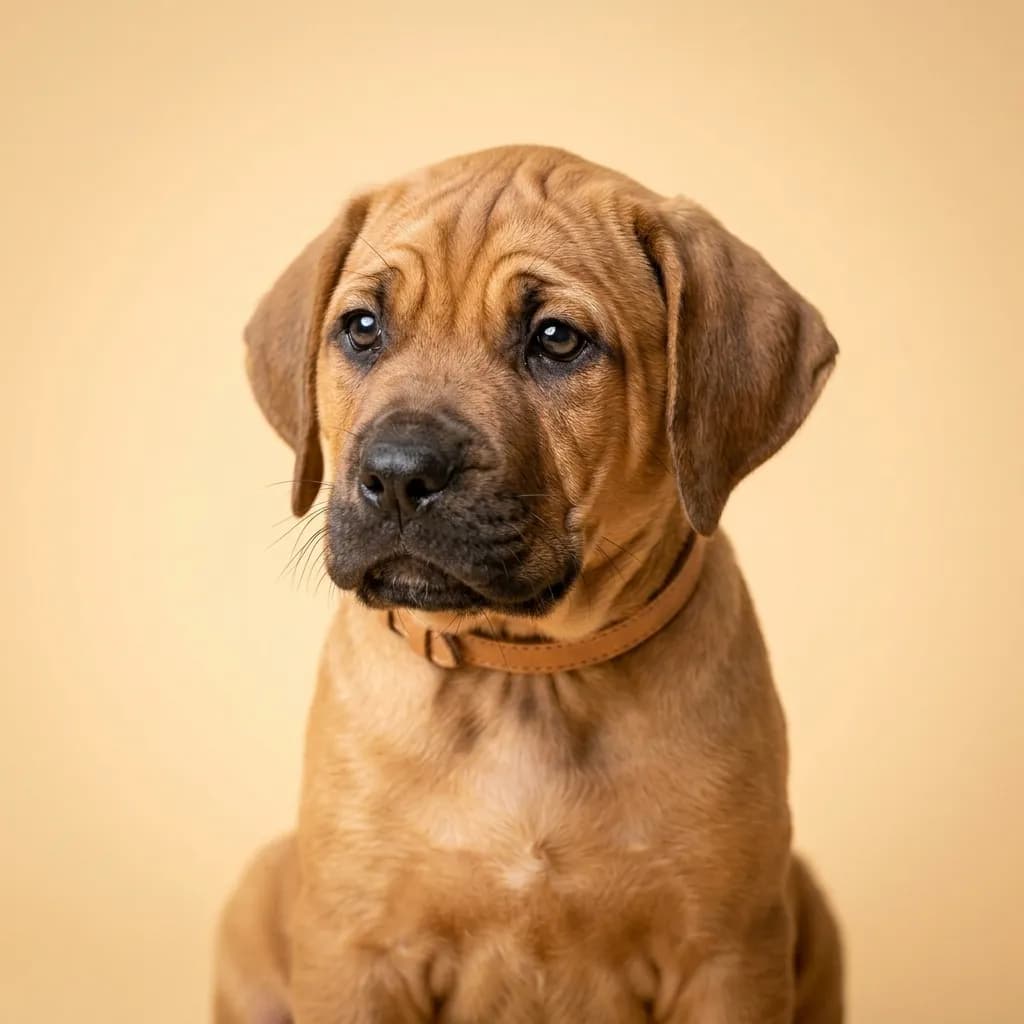
People don’t usually pit a Scandinavian barn ratter against a Japanese fighting mastiff, but here we are. probably because both are rare, both are loyal, and both sound intriguingly exotic on paper. That’s where the similarity ends. The Danish-Swedish Farmdog is the nimble, bright-eyed partner who’s down for a hike, a puzzle toy, or chasing bugs in the backyard. At 15 to 20 pounds, it fits in a tote bag. almost. It’s the kind of dog that bonds with the whole family, adores kids, and thrives on being included. You’ll need to walk it daily and toss in some training games, but it’s happy in an apartment if you keep it moving. Think of it as the upbeat, reliable friend who remembers your birthday and shows up on time. The Tosa? It’s the silent giant who takes up half your couch and all your mental bandwidth. Bred for combat in 19th-century Japan, today’s Tosa is a calm fortress of muscle. 100 to 200 pounds of deliberate, watchful presence. It’s affectionate with its people, sure, but not the kind of dog that’ll bounce around the kitchen at dinner time. It needs space, a secure yard, and an owner who understands canine psychology and power. This isn’t a breed you wing. Here’s the real talk: the Danish-Swedish Farmdog fits life. The Tosa demands that life fit around it. Choose the Farmdog if you want a lively, kid-friendly companion who’s easy to love and train. Choose the Tosa only if you’ve handled large, strong-willed breeds before and have the space, experience, and patience to match its quiet intensity. And one truth the brochures won’t tell you: the Tosa’s calmness isn’t low maintenance. it’s restraint. That stillness isn’t emptiness. It’s depth. And it commands respect, every single day.
Trait-by-trait
Higher bar = more of that trait. Shedding, barking, drooling, grooming flipped for readability.Where they diverge
Choose the Danish-Swedish Farmdog if…
- Active families
- Families with children
- Apartment living (with exercise)
- You value good with other dogs — Danish-Swedish Farmdog scores noticeably higher.
Choose the Tosa if…
- very experienced large-breed owners
- homes with secure property
- owners seeking a calm giant breed companion
- You value drooling level — Tosa scores higher here.