Drentsche Patrijshond vs Keeshond
Side-by-side comparison across all 14 AKC trait ratings, with a clear verdict on which breed fits which kind of household.

Not sure which breed fits your life?
Answer five questions about your home, your schedule, and your tolerance for shedding. We’ll match you to your top three breeds from over 200.
Drentsche Patrijshond vs Keeshond
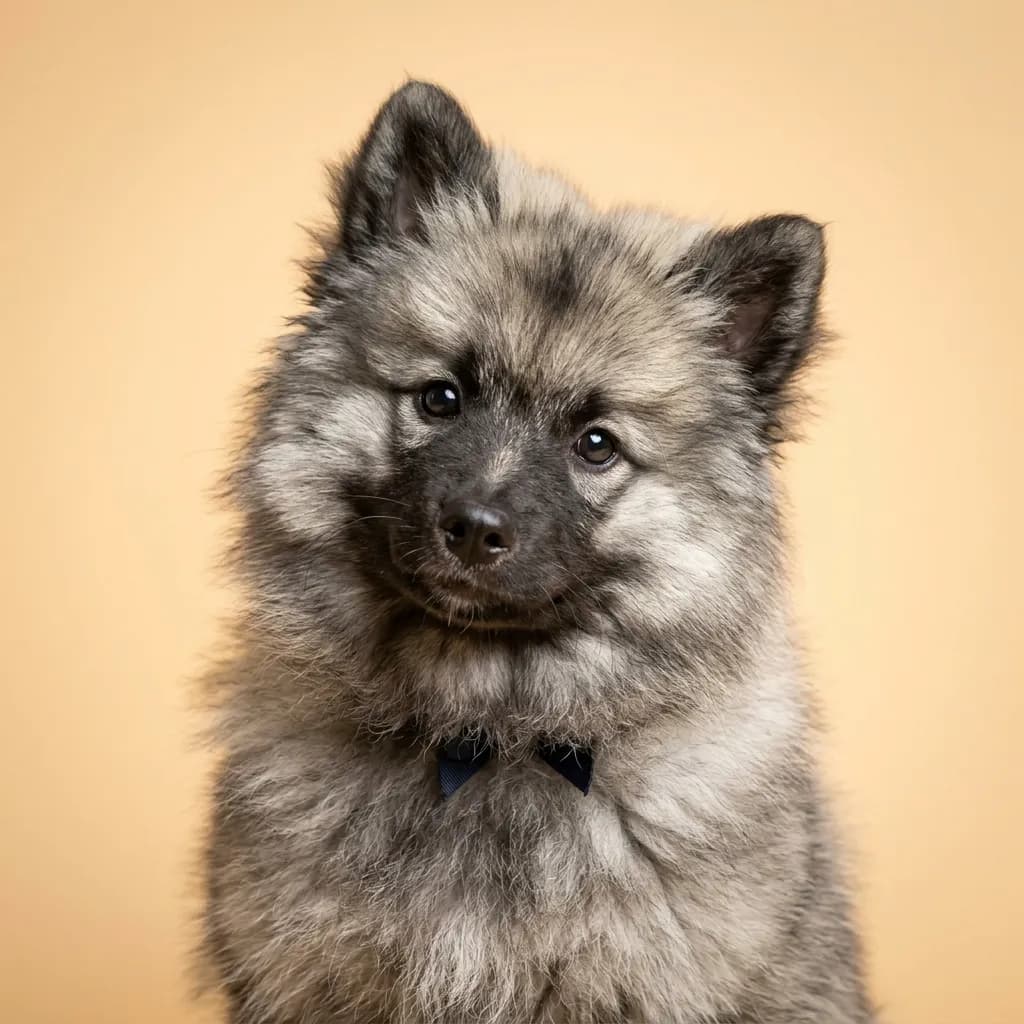
You don’t see a Drentsche Patrijshond and a Keeshond side by side every day, but people compare them because both are medium-sized, affectionate Dutch dogs with soft eyes and family-friendly hearts. That’s where the similarity ends. One was built for open fields and long days tracking game across marshland, the other for perching on a barge railing, ears pricked at every passerby. The Drent is a full-throttle sporting dog disguised as a gentle companion. You’ll need to hunt, hike, or at minimum, commit to two hours of serious outdoor activity daily. Without it, this sensitive breed turns restless, and restlessness in a 70-pound intelligent dog means chewing your boots or redecorating the backyard. They’re brilliant with kids and deeply loyal, but they demand purpose. If you’re not outdoorsy, you’ll break this dog’s spirit. The Keeshond, meanwhile, is the friendly neighborhood greeter who happens to wear a plush gray-and-white ruff. They’re alert, they bark. at squirrels, mail trucks, thoughts. and thrive on interaction. They adapt to apartments or houses as long as you’re home often. Cold weather? They’ll smile in a blizzard. Hot climates? They’ll suffer. Here’s the real difference most overlook: the Drent needs a job to feel fulfilled, while the Keeshond just wants to be your shadow. Pick the Drent if you’re an active hunter or outdoor family who wants a quiet, focused partner in the wild. Choose the Keeshond if you want a loyal, expressive companion who’ll bond with everyone and alert you to every change in the household rhythm. One is a working partner, the other a furry roommate with opinions. Know which relationship you’re signing up for.
Trait-by-trait
Higher bar = more of that trait. Shedding, barking, drooling, grooming flipped for readability.Where they diverge
Choose the Drentsche Patrijshond if…
- hunters
- active families
- outdoor enthusiasts
- You value energy level — Drentsche Patrijshond scores noticeably higher.
Choose the Keeshond if…
- Families with children
- Active owners
- Cold climates
- You value good with other dogs — Keeshond scores higher here.