Drentsche Patrijshond vs Kerry Blue Terrier
Side-by-side comparison across all 14 AKC trait ratings, with a clear verdict on which breed fits which kind of household.

Not sure which breed fits your life?
Answer five questions about your home, your schedule, and your tolerance for shedding. We’ll match you to your top three breeds from over 200.
Drentsche Patrijshond vs Kerry Blue Terrier
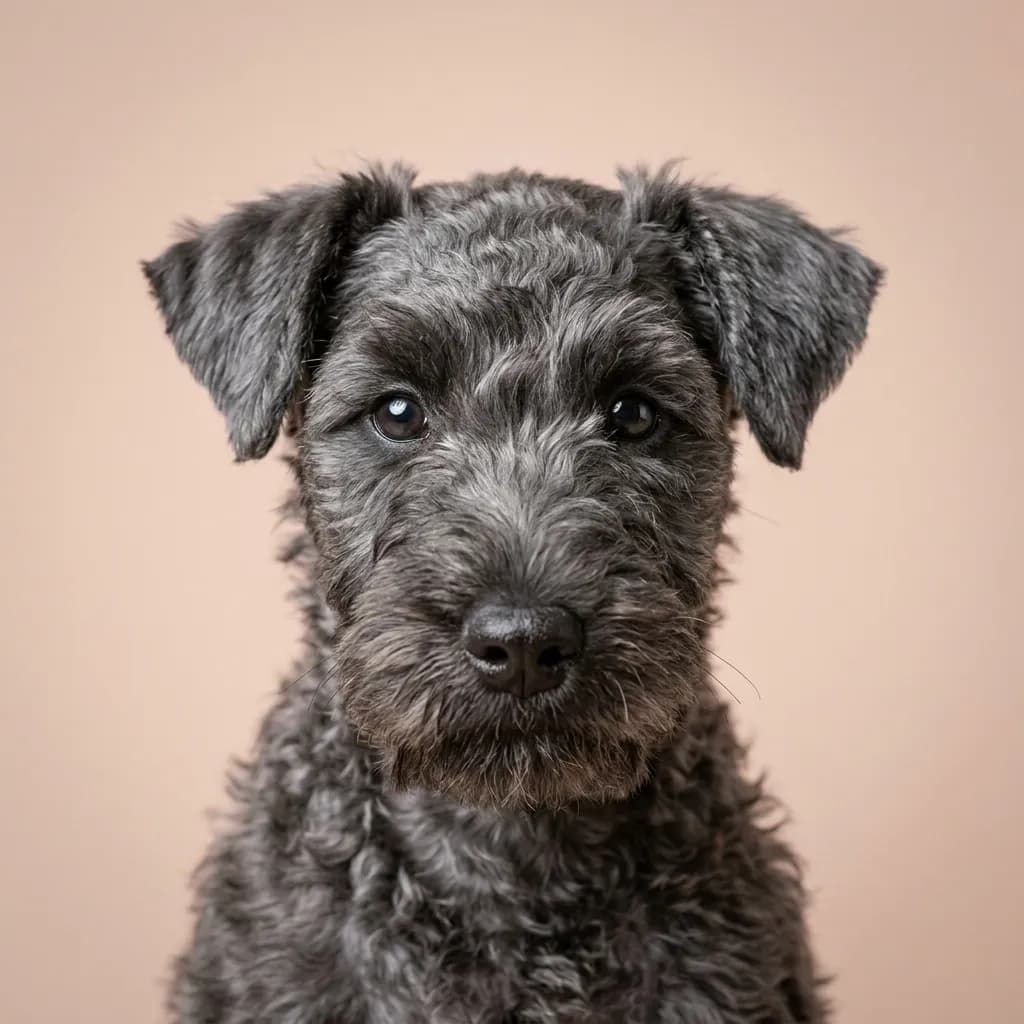
People usually land on this comparison when they want a smart, active dog that’s loyal and a bit unusual, but they’re torn between a hunter and a character. The Drentsche Patrijshond and Kerry Blue Terrier don’t look alike and don’t live alike, but both are rare, devoted, and demand engagement. The Drent is a full-throttle bird dog built for people who hunt or live outdoors every day. At 70 pounds, it’s nearly twice the size of the Kerry Blue, and it needs space, purpose, and a job. This isn’t a couch dog. It thrives on partnership, excels in training, and bonds deeply with families, kids included. But if you don’t have trails, fields, or hunting ambitions, you’ll struggle to meet its needs. The Kerry Blue is smaller, sprightlier, and comes with terrier spark. That means it’s clever and affectionate, yes, but also stubborn and prone to barking at squirrels, mail carriers, and passing bikes. Bred for farm versatility, it adapts slightly better to suburban life. if you’re experienced. And its near-zero shedding makes it a real option for allergy sufferers, which the Drent definitely isn’t. Here’s the real difference: the Drent wants to work with you, while the Kerry Blue wants to negotiate with you. One is a willing teammate, the other a spirited co-star who might improvise. Choose the Drent if you want a gentle giant that’s eager to obey and built for endurance. Choose the Kerry Blue if you want personality, flair, and don’t mind a dog that thinks for itself. Just don’t pick either if you’re not ready to be challenged.
Trait-by-trait
Higher bar = more of that trait. Shedding, barking, drooling, grooming flipped for readability.Where they diverge
Choose the Drentsche Patrijshond if…
- hunters
- active families
- outdoor enthusiasts
- You value shedding level — Drentsche Patrijshond scores noticeably higher.
Choose the Kerry Blue Terrier if…
- Experienced terrier owners
- Active families
- Allergy sufferers
- You value watchdog / protective — Kerry Blue Terrier scores higher here.