Drentsche Patrijshond vs Norfolk Terrier
Side-by-side comparison across all 14 AKC trait ratings, with a clear verdict on which breed fits which kind of household.

Not sure which breed fits your life?
Answer five questions about your home, your schedule, and your tolerance for shedding. We’ll match you to your top three breeds from over 200.
Drentsche Patrijshond vs Norfolk Terrier
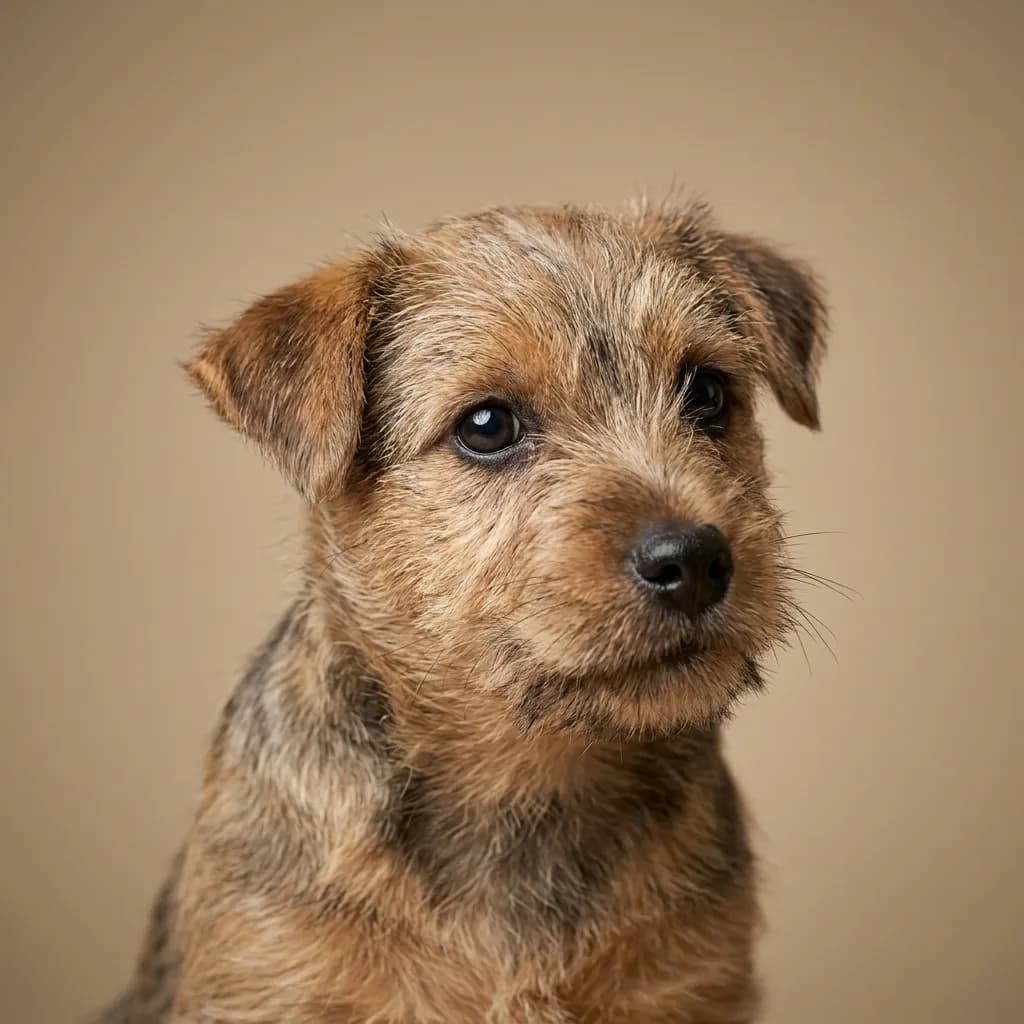
You don’t see a Drentsche Patrijshond and a Norfolk Terrier sizing each other up at dog parks often, but people end up comparing them when they’re hunting for a loyal, spirited dog that’s good with kids and up for adventure. On paper, both are affectionate, energetic, and family-friendly. But that’s where the similarity ends. The Drent is a rangy, 70-pound pointer built for covering miles of marsh and field. It’s a sensitive thinker with a deep bond to its people, bred to work in sync with hunters across open terrain. You’ll need space, time, and an active lifestyle to keep it balanced. Without real jobs or long outings, it gets restless and moody. It’s not a city dog. The Norfolk, under 12 pounds, is a scrappy little terrier with a motor that won’t quit. It was made to bolt foxes from dens, so it’s bold, independent, and wired to dig, bark, and explore. It adapts to apartments just fine. so long as you’re walking it daily and giving it puzzles or sports to solve. But don’t expect perfect obedience; terriers have opinions. If you’re hiking, hunting, or have a country home, the Drent fits like a glove. It’s the kind of dog that checks in with you mid-sprint, all ears and intent. But it needs room to be itself. Pick the Norfolk if you want big-dog personality in a small package, live in town, and don’t mind a bit of stubbornness. It’s fearless affection wrapped in wiry coat. Here’s the real talk: the Drent thrives when it’s part of your life’s rhythm. like a true partner. The Norfolk? It’s more like a spirited roommate who loves you fiercely but won’t always listen. Know which relationship you want.
Trait-by-trait
Higher bar = more of that trait. Shedding, barking, drooling, grooming flipped for readability.Where they diverge
Choose the Drentsche Patrijshond if…
- hunters
- active families
- outdoor enthusiasts
- You value trainability — Drentsche Patrijshond scores noticeably higher.
Choose the Norfolk Terrier if…
- Active families
- Apartment or small home living
- Families with older children
- You value good with strangers — Norfolk Terrier scores higher here.