Drentsche Patrijshond vs Pumi
Side-by-side comparison across all 14 AKC trait ratings, with a clear verdict on which breed fits which kind of household.
Not sure which breed fits your life?
Answer five questions about your home, your schedule, and your tolerance for shedding. We’ll match you to your top three breeds from over 200.
Drentsche Patrijshond vs Pumi
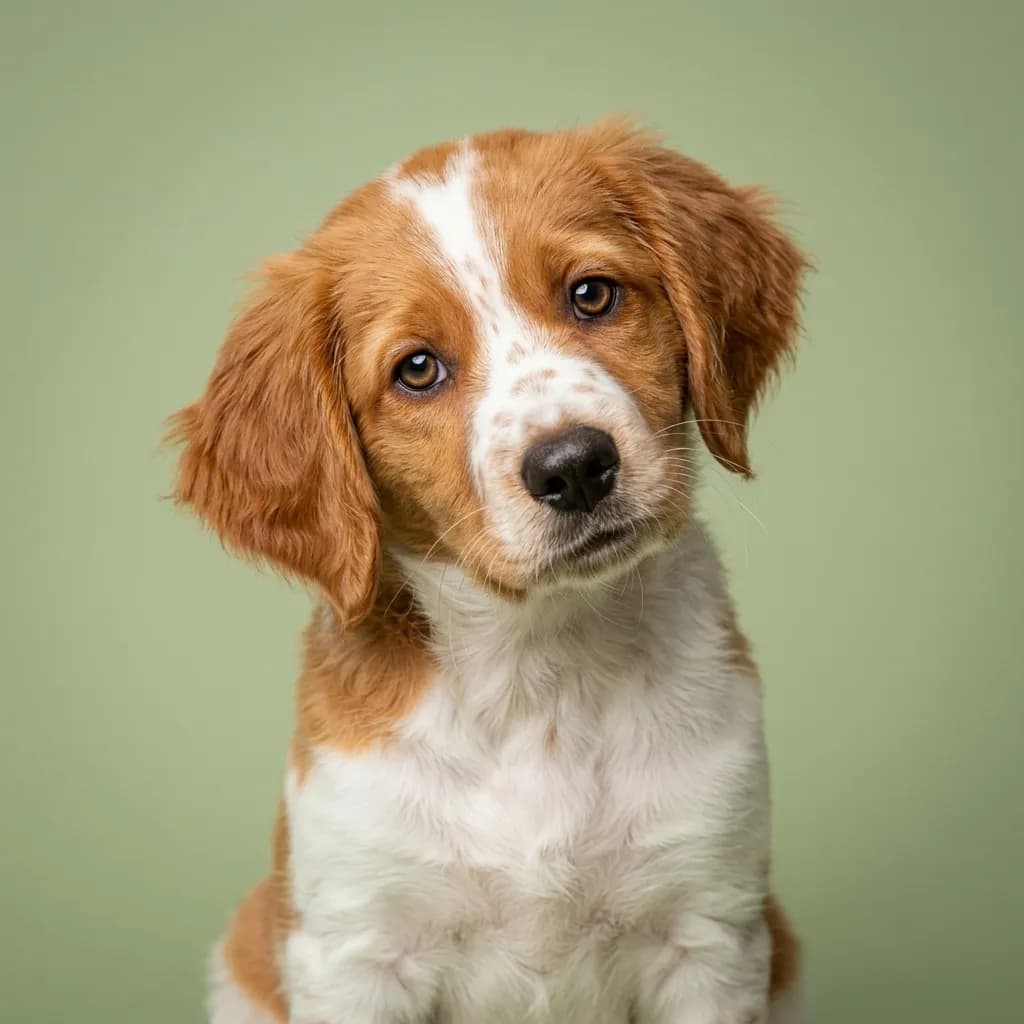
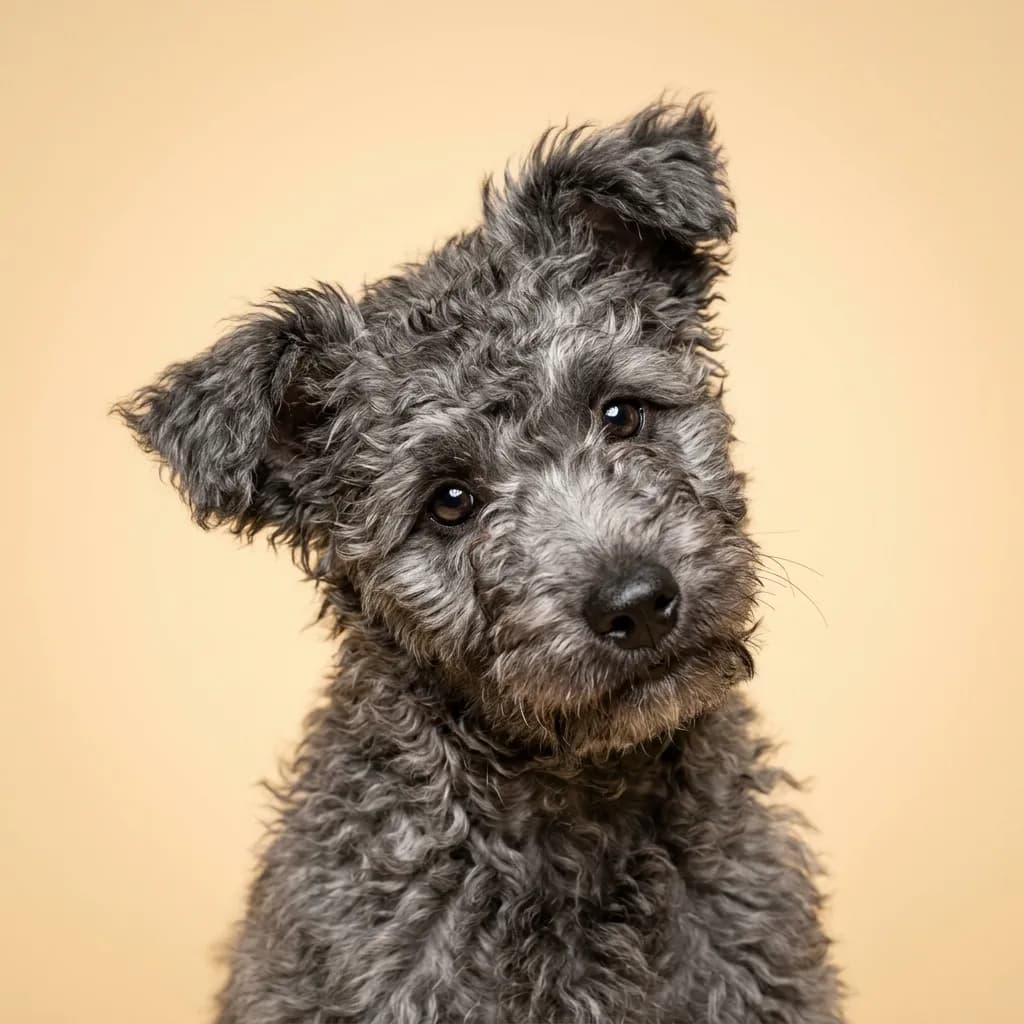
People compare the Drentsche Patrijshond and the Pumi because both are rare, energetic, intelligent dogs with springy movement and alert expressions. On paper, they share high drive and trainability, so if you’re chasing mental engagement and canine partnership, they both sound perfect. But in real life, they solve very different problems. The Drent is a big-hearted, 70-pound pointing dog built for covering ground. It was bred to find birds, work silently until flush, then retrieve with soft focus on its handler. It thrives in homes with access to fields, lakes, or long trail systems. You’ll need to hunt, hike, or at minimum, commit to serious off-leash time. this dog won’t settle in a city yard. It’s deeply loyal, gentle with kids, and surprisingly quiet given its energy. But it needs space to be itself. Sedentary life will make it anxious, no matter how much love you give. The Pumi, under 30 pounds with corkscrew curls and upright ears, is a herding dynamo. It’s always on. watching, barking at squirrels, rearranging the household pets. It’s low-shedding, which draws people with allergies, but don’t be fooled. This dog needs a job. Dog sports like agility, treibball, or herding trials are ideal. It bonds fiercely but can be wary with strangers and too intense for small children. It adapts better to suburban life than the Drent, but only if you’re active and experienced. Here’s the real difference: the Drent wants to work with you in nature. The Pumi wants to manage everything around it. Pick the Drent if you want a graceful, steady companion for outdoor life. Pick the Pumi if you want a quirky, alert watchdog who lives for tasks and thrives on precision. Either way, you’re signing up for a dog that needs purpose. not just play.
Trait-by-trait
Higher bar = more of that trait. Shedding, barking, drooling, grooming flipped for readability.Where they diverge
Choose the Drentsche Patrijshond if…
- hunters
- active families
- outdoor enthusiasts
- You value good with young children — Drentsche Patrijshond scores noticeably higher.
Choose the Pumi if…
- Active owners
- Dog sports enthusiasts
- Experienced herding breed owners
- You value mental stimulation needs — Pumi scores higher here.