Drever vs Siberian Husky
Side-by-side comparison across all 14 AKC trait ratings, with a clear verdict on which breed fits which kind of household.
Not sure which breed fits your life?
Answer five questions about your home, your schedule, and your tolerance for shedding. We’ll match you to your top three breeds from over 200.
Drever vs Siberian Husky
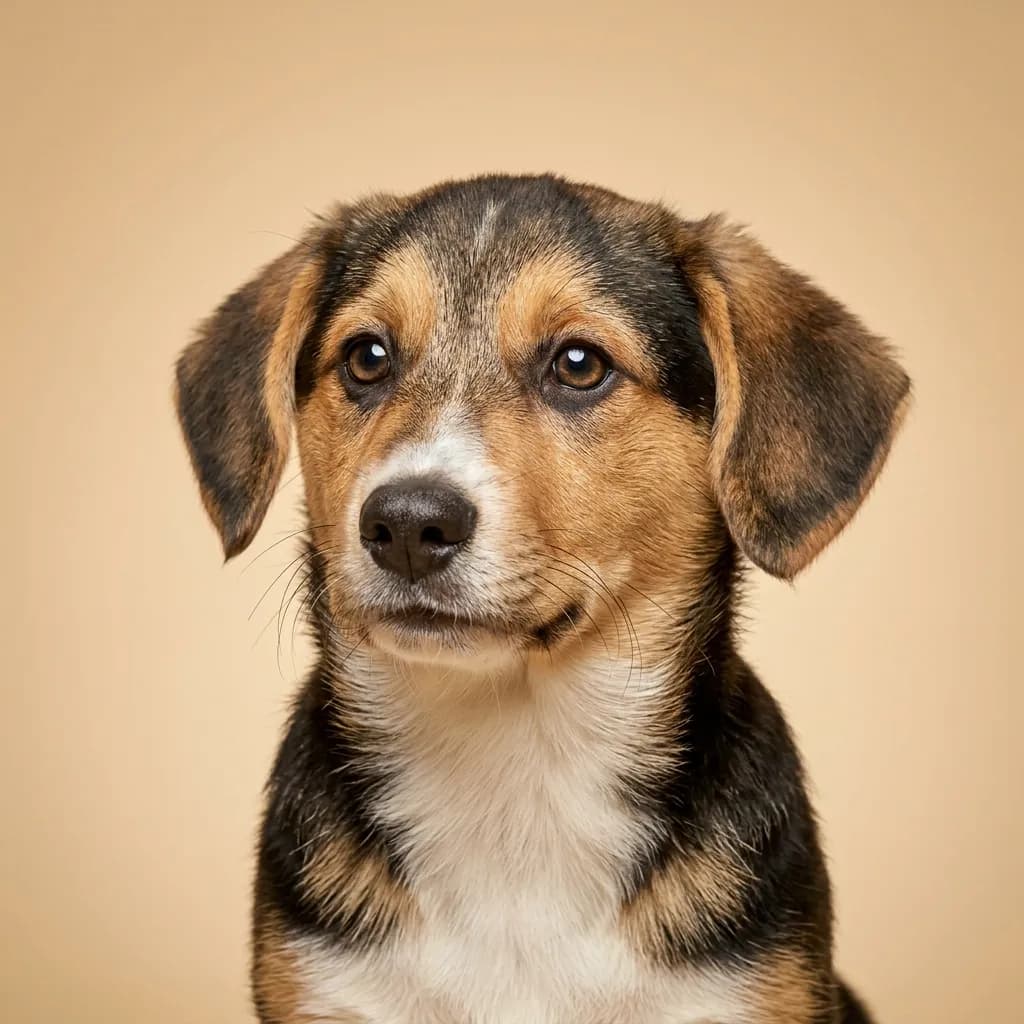
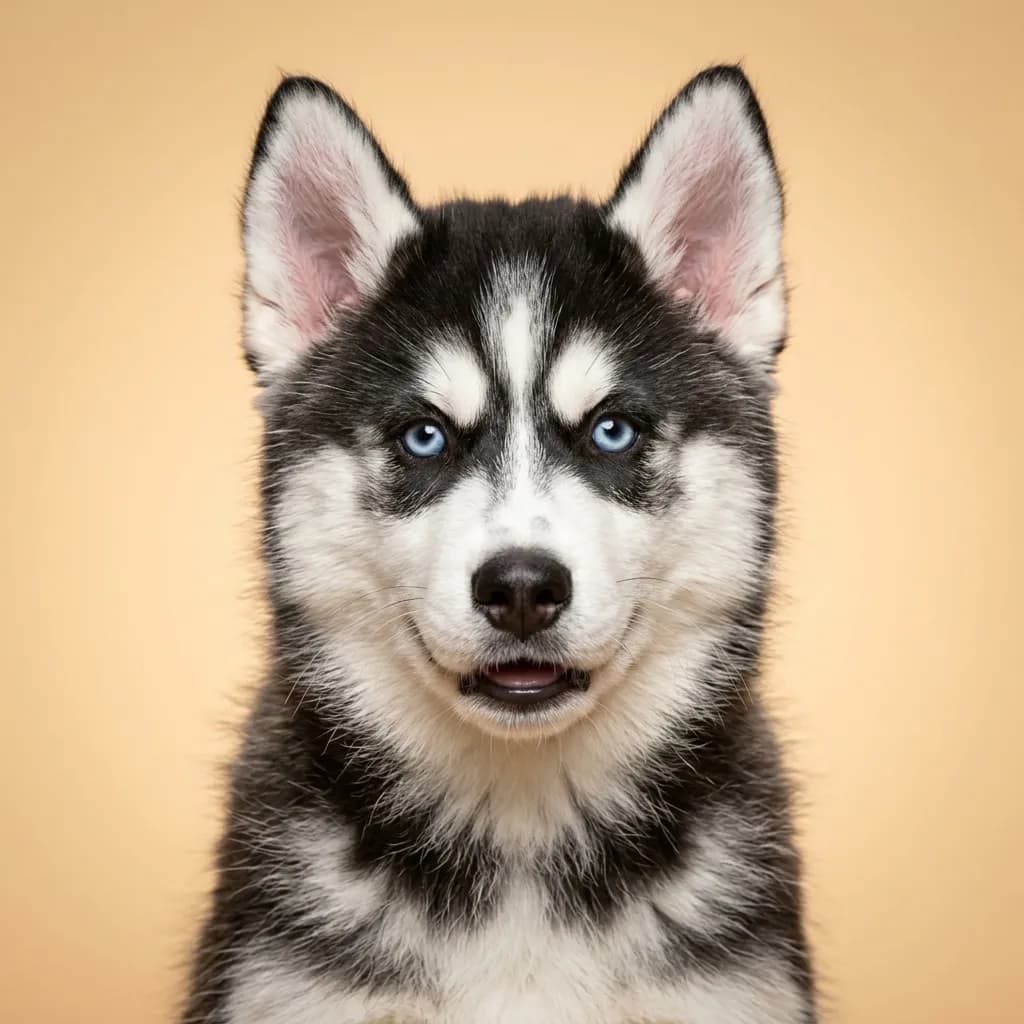
You’re not going to find these two side by side at the dog park often, but people compare Drevers and Siberian Huskies because they’re both medium-to-larger dogs with Nordic roots, friendly faces, and a serious love for cold weather. That’s where the similarities end. Think of the Drever as the quiet, focused hunter who’ll track a scent for miles without blinking, and the Husky as the flashy athlete who’ll pull your sled then howl the victory song at the top of a mountain. The Drever is compact, under 15 inches tall, built like a scent hound with a purpose. It’s bred to drive deer through forests in Sweden, so it’s determined, trainable, and loud when it needs to be. You’ll want a high fence and daily walks, but it won’t shred your sofa from boredom. It bonds tightly with families, adores kids, and while it sheds, it’s not a daily vacuuming sentence. Just watch for back issues and don’t let it gain weight. The Husky? It’s a high-energy escape artist. Bred to run for miles in subzero temps, it needs space, structure, and a job. It’s more independent, less eager to please, and training takes patience. You’ll battle the shedding twice a year. think tumbleweeds of fur. and the howling. But if you run, hike, or do dog sledding, this dog will match your pace and love you fiercely. Here’s the real talk: the Drever fits better in a rural or suburban home with an active but structured routine. The Husky thrives with owners who accept chaos as part of the charm. If you want a dog that listens, chooses you every time, and won’t vanish the second a squirrel moves. go Drever. If you want a wild spirit with blue eyes and endless stamina that treats your backyard like a launchpad. Husky’s your dog. Just don’t expect it to come when called.
Trait-by-trait
Higher bar = more of that trait. Shedding, barking, drooling, grooming flipped for readability.Where they diverge
Choose the Drever if…
- hunters
- active families in cold climates
- outdoor adventurers
- You value watchdog / protective — Drever scores noticeably higher.
Choose the Siberian Husky if…
- Active owners who exercise daily
- Cold climate households
- Families with children
- You value affectionate w/ family — Siberian Husky scores higher here.