Drever vs Tornjak
Side-by-side comparison across all 14 AKC trait ratings, with a clear verdict on which breed fits which kind of household.
Not sure which breed fits your life?
Answer five questions about your home, your schedule, and your tolerance for shedding. We’ll match you to your top three breeds from over 200.
Drever vs Tornjak
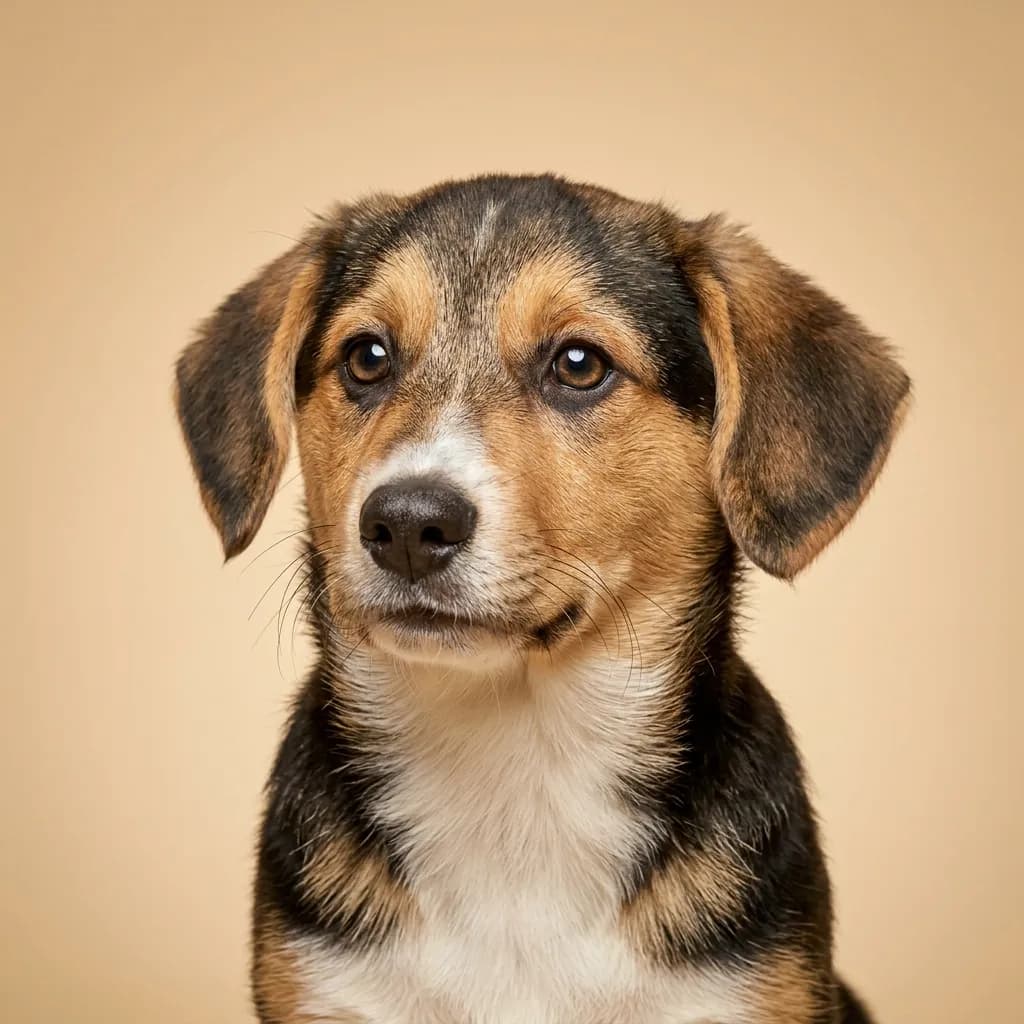
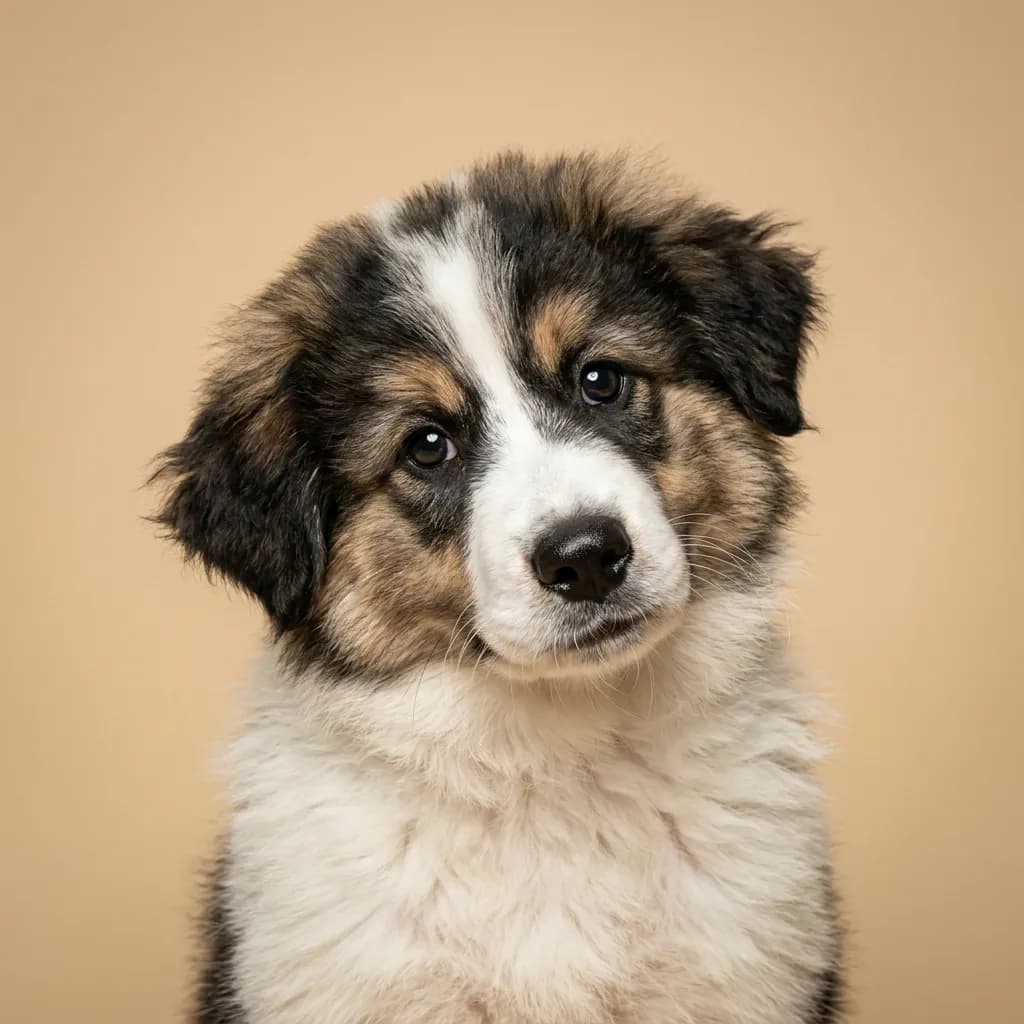
You’re probably not comparing a Drever and a Tornjak because you’re torn between them. You’re comparing them because someone told you both are rare, cold-weather dogs with European roots, and now you’re down a rabbit hole. Let’s cut through it. The Drever is a little hunter with a big engine. Think of it as the Scandinavian trail dog. light, loud, and built for hours of tracking in snow and forest. At 40 pounds, it’s compact, but don’t underestimate its drive. It’ll bark at game, bond tightly with kids, and thrive in a home that hikes, hunts, or just values a sharp, obedient dog. But it needs space to move and a securely fenced yard. Left alone in a city apartment, it’ll develop separation anxiety and bark the building down. The Tornjak is a different beast entirely. At over 100 pounds, it’s a livestock guardian bred to stand between wolves and sheep in the Balkan mountains. It’s calm around its family but deeply suspicious of strangers. It’s not a hunter, it’s a protector. It needs room, yes, but more than that. it needs a job and an experienced hand. Training a Tornjak isn’t about obedience drills; it’s about earning trust and setting calm, consistent boundaries. It’s not naturally kid-friendly in the way a Drever is. you can’t just toss it into a chaotic family scene and expect harmony. Here’s the real difference: the Drever wants to work with you. The Tornjak decides whether to let you lead. Pick the Drever if you’re active, live in a cooler climate, and want a dog that’s eager to please and easy to train. Pick the Tornjak only if you’ve handled large guardians before, have property, and need a loyal, imposing presence. And know this. both cost the same, but the Tornjak will eat you out of house and home, literally. That size comes with a food bill. and a bloat risk. so feed carefully.
Trait-by-trait
Higher bar = more of that trait. Shedding, barking, drooling, grooming flipped for readability.Where they diverge
Choose the Drever if…
- hunters
- active families in cold climates
- outdoor adventurers
- You value good with other dogs — Drever scores noticeably higher.
Choose the Tornjak if…
- Experienced large-breed owners
- Farm or rural settings
- Livestock guardian needs
- You value watchdog / protective — Tornjak scores higher here.