Drever vs Working Kelpie
Side-by-side comparison across all 14 AKC trait ratings, with a clear verdict on which breed fits which kind of household.
Not sure which breed fits your life?
Answer five questions about your home, your schedule, and your tolerance for shedding. We’ll match you to your top three breeds from over 200.
Drever vs Working Kelpie
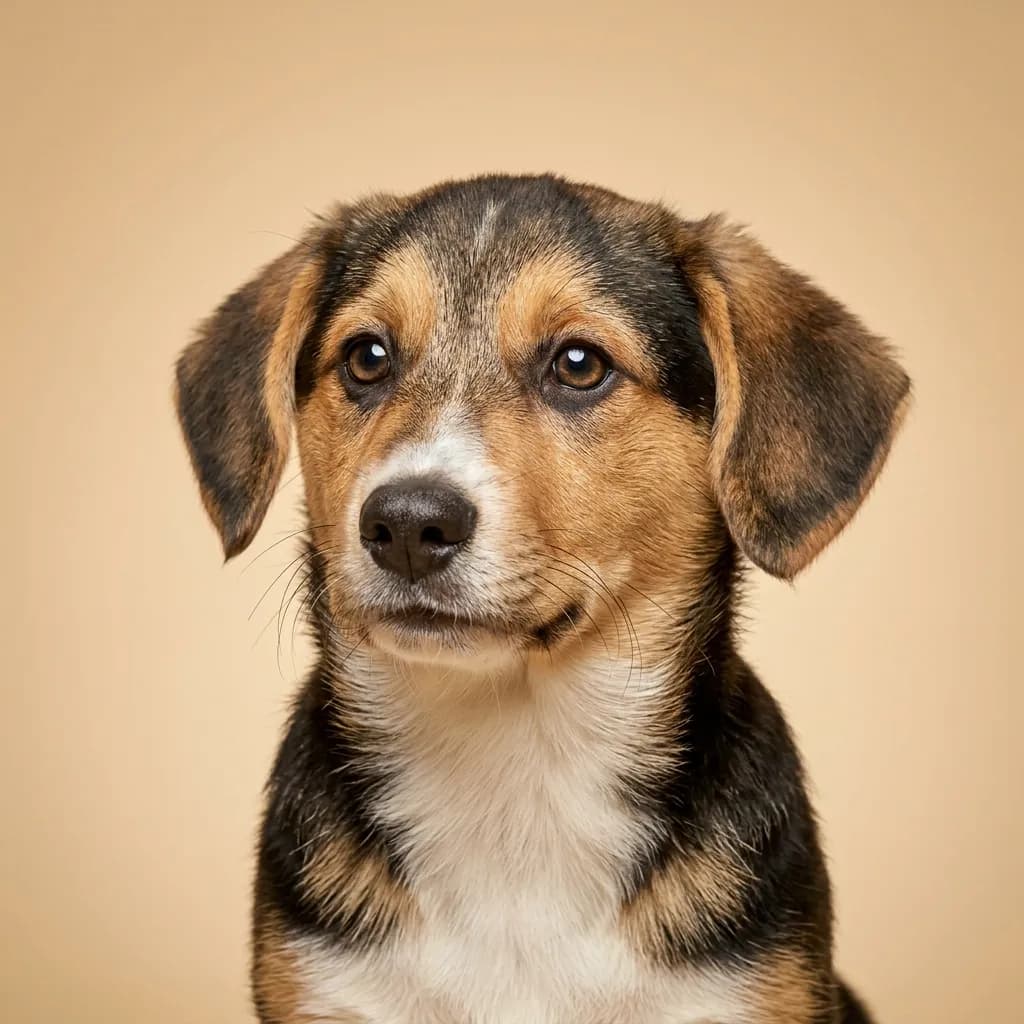
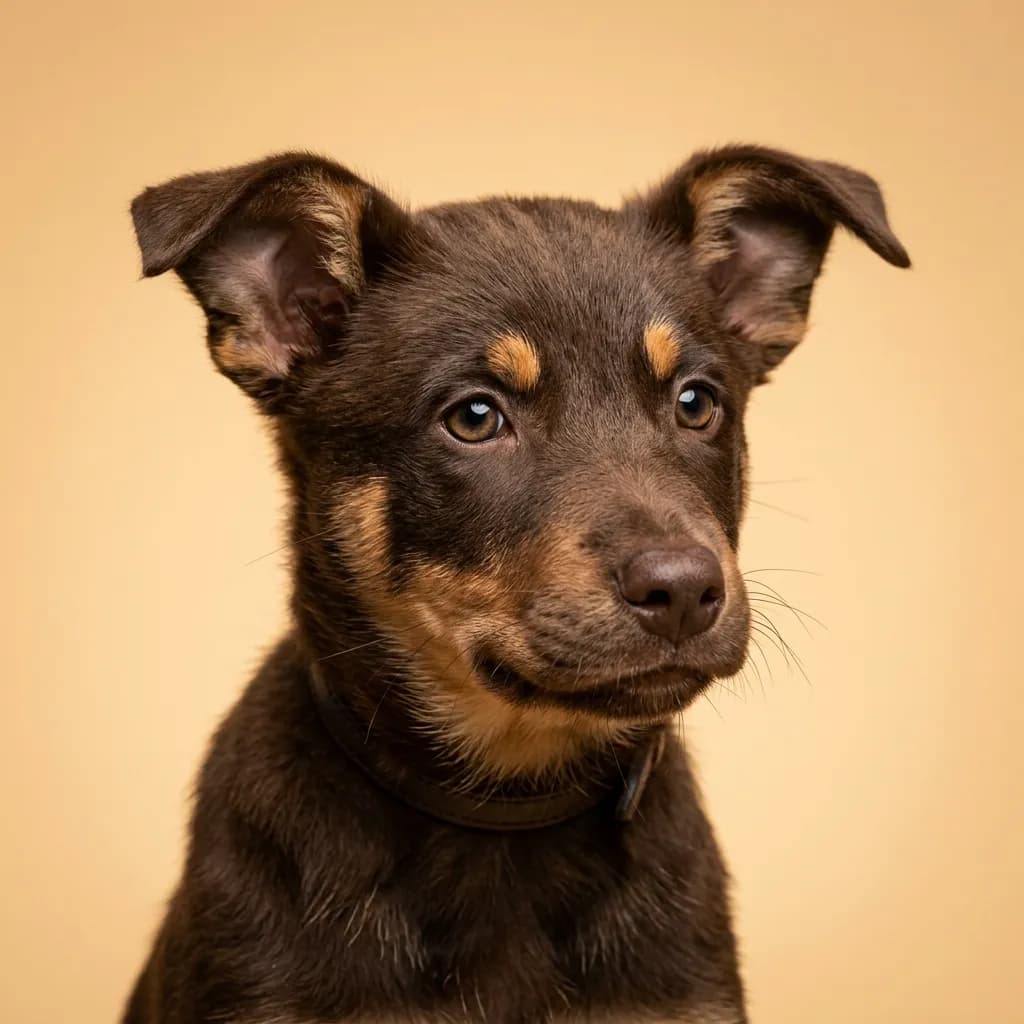
You don’t see Drevers and Working Kelpies in the same yard often, but people compare them because both are working dogs with tireless engines and brains to match. They’re not flashy, they’re not lazy, and they definitely won’t nap while the job’s undone. But that’s where the similarities end. The Drever is your compact, cold-weather partner built for tracking game through Scandinavian snow. At 12 to 15 inches tall, they’re low to the ground but loud in voice. barking is part of their job description. They’re loyal, steady, and surprisingly sweet with kids, but don’t be fooled by their size. They need space and purpose. Fence it in poorly and they’ll follow a squirrel trail into the next county. The Working Kelpie, meanwhile, is all vertical drive and laser focus. Bred to cover 30 miles a day herding sheep under the Australian sun, these dogs are lean, intense, and wired for motion. They’re smarter than most coworkers and need jobs that challenge them mentally. A bored Kelpie will redesign your garden out of sheer desperation. Here’s the real difference: the Drever works with you, calmly and consistently. The Kelpie works for a mission, and if that mission isn’t clear, they’ll make one up. usually involving your livestock, chickens, or children. Pick a Drever if you hunt, love scent work, or want a rugged, affectionate companion for outdoor life in cooler climates. Choose the Kelpie only if you’ve got wide-open land, livestock, or serious agility goals. and you’re ready to match their energy every single day. The honest truth? Both dogs will outlast you on a hike. But only the Kelpie will try to herd your car when it backs out of the driveway.
Trait-by-trait
Higher bar = more of that trait. Shedding, barking, drooling, grooming flipped for readability.Where they diverge
Choose the Drever if…
- hunters
- active families in cold climates
- outdoor adventurers
- You value good with other dogs — Drever scores noticeably higher.
Choose the Working Kelpie if…
- Farmers and ranchers
- Experienced dog owners
- Active rural lifestyles
- You value mental stimulation needs — Working Kelpie scores higher here.