Dutch Shepherd vs Otterhound
Side-by-side comparison across all 14 AKC trait ratings, with a clear verdict on which breed fits which kind of household.
Not sure which breed fits your life?
Answer five questions about your home, your schedule, and your tolerance for shedding. We’ll match you to your top three breeds from over 200.
Dutch Shepherd vs Otterhound
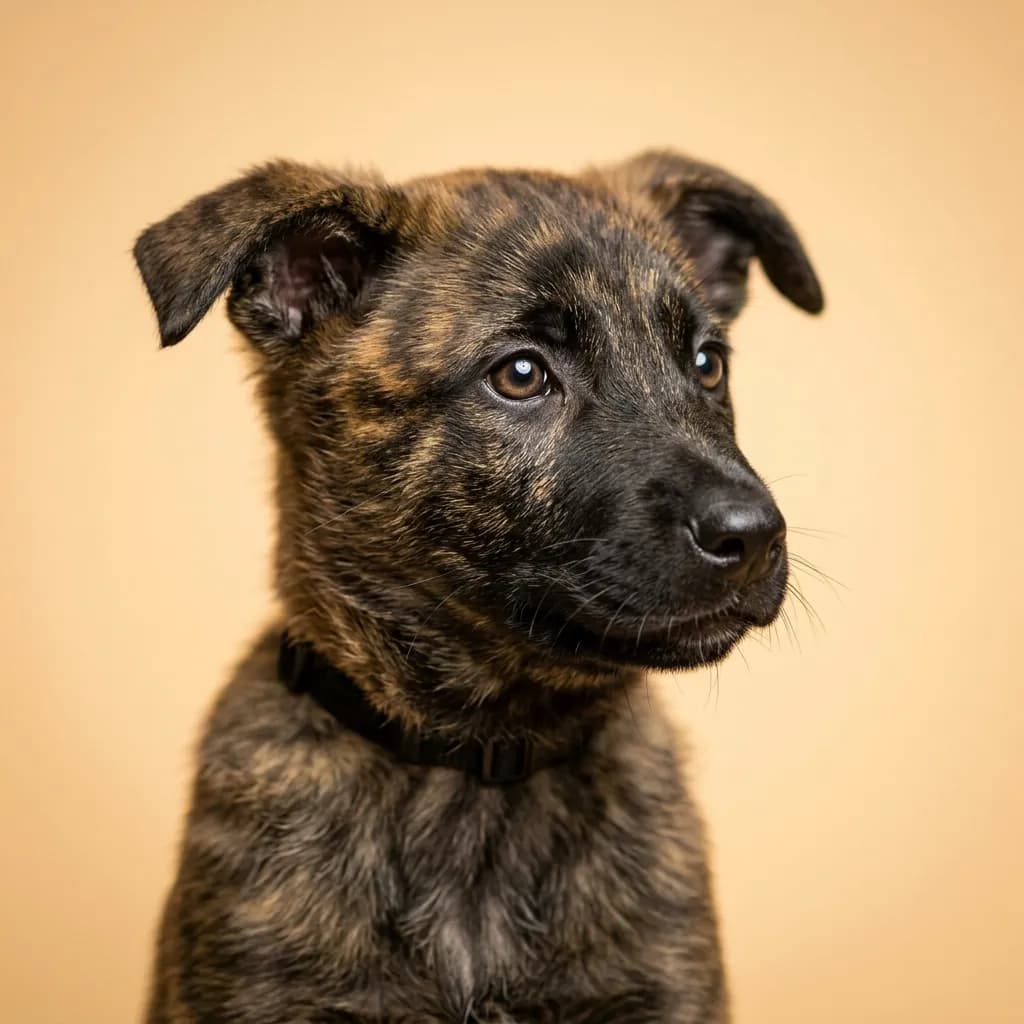
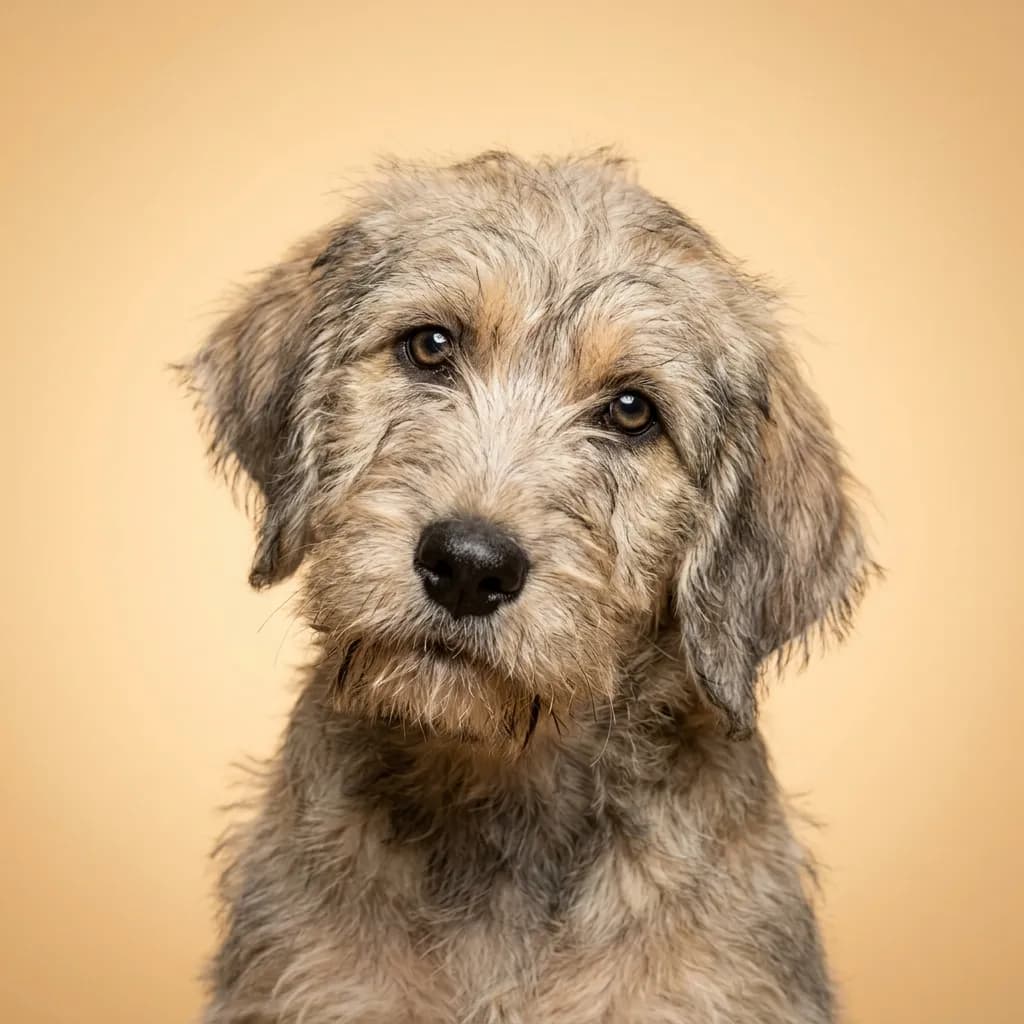
You’re probably not cross-shopping a Dutch Shepherd and an Otterhound unless you’ve got a soft spot for rare breeds and a lifestyle that leans adventurous. They show up in the same search results because they’re both unusual, both energetic in their own ways, and both demand more than your average dog. But that’s where the similarity ends. The Dutch Shepherd is a precision instrument. Bred to work all day on Dutch farms, this dog thrives on structure, movement, and mental puzzles. You’ll need agility courses, advanced obedience, or herding trials just to keep them from redesigning your backyard. They’re not loud, but they’re intense. If you’re a runner, a hiker, or someone who wants a dog that feels like a tactical partner, they’ll bond deeply. But they’re not for you if you work 9 to 5 and expect a couch companion. They’ll outthink you and then outmaneuver you. Now, picture the Otterhound: a shaggy, bearded giant with webbed feet and a love for muddy riverbanks. This dog is a relic from a time when otter hunting required stamina, scenting power, and a voice that carries across fields. They’re goofy, loud, and oddly adaptable for their size. They don’t need as much structured training, but they will bark at deer, squirrels, and the wind. They drool. They smell like wet dog, always. But they’re affectionate in a big, lumbering way that wins people over. Here’s the real talk: the Dutch Shepherd will challenge you mentally. The Otterhound will disrupt your home physically. Choose the Shepherd if you want a driven co-pilot. Choose the Otterhound if you’re okay with chaos and want a dog that feels like a lovable, scruffy old riverboat captain.
Trait-by-trait
Higher bar = more of that trait. Shedding, barking, drooling, grooming flipped for readability.Where they diverge
Choose the Dutch Shepherd if…
- Active individuals
- Experienced dog owners
- Police and military work
- You value watchdog / protective — Dutch Shepherd scores noticeably higher.
Choose the Otterhound if…
- Active families
- Rural settings
- Outdoor and swimming enthusiasts
- You value barking level — Otterhound scores higher here.