Dutch Shepherd vs Siberian Husky
Side-by-side comparison across all 14 AKC trait ratings, with a clear verdict on which breed fits which kind of household.

Not sure which breed fits your life?
Answer five questions about your home, your schedule, and your tolerance for shedding. We’ll match you to your top three breeds from over 200.
Dutch Shepherd vs Siberian Husky
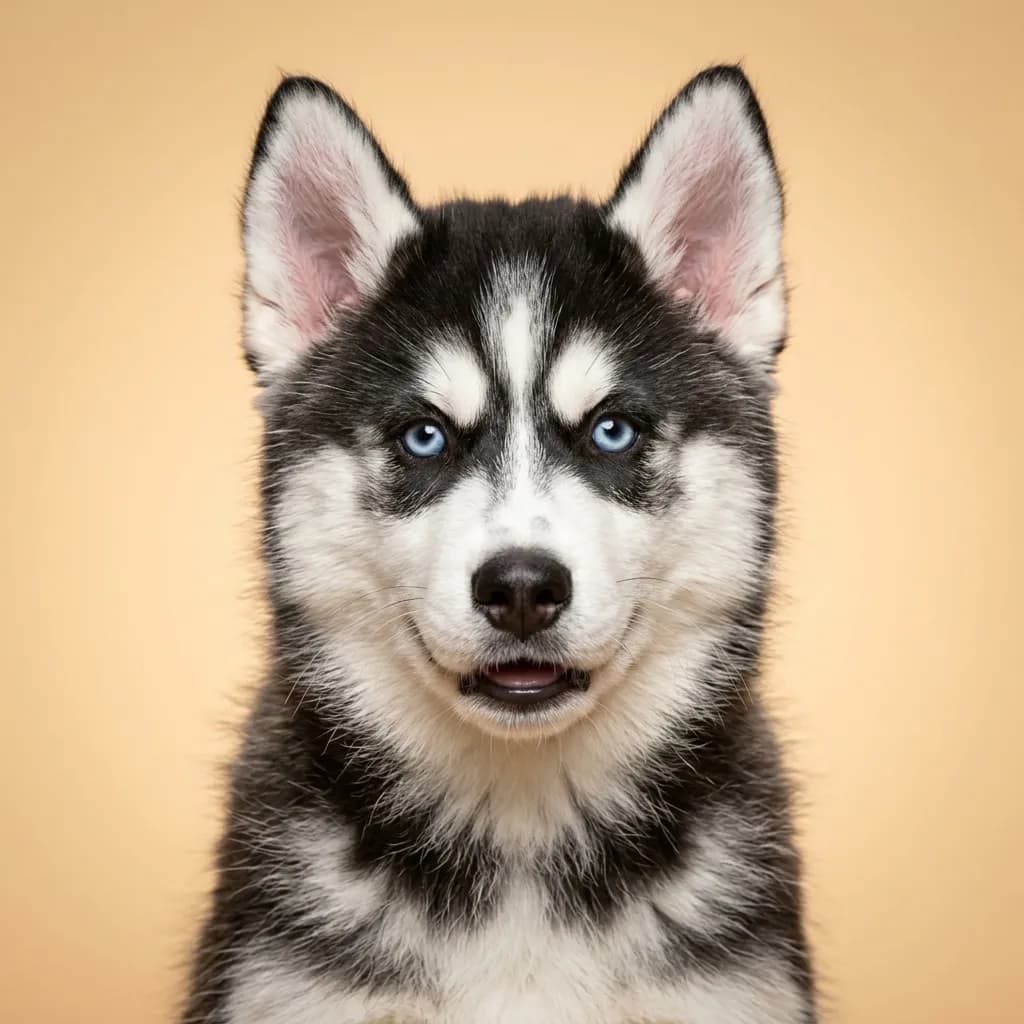
People compare Dutch Shepherds and Siberian Huskies because they look kind of similar at a glance. both lean, alert, built for motion, with that wild, wolfy vibe. But that’s where the similarity ends. Choose one, and you’re signing up for very different lives. The Dutch Shepherd is a precision tool. Bred to herd sheep and work all day on Dutch farms, this dog lives for purpose. It’s got off-the-charts intelligence and drive, wants to learn, and needs a job. yesterday. It bonds fiercely with its person, thrives on structure, and will outwork any dog you own. But it’s not for the faint of heart. Without intense physical and mental work, it’ll dismantle your house just to stay sane. First-time owners? You’ll be outmatched. This dog needs someone who speaks fluent dog, someone who’s done the hard yards in training. The Siberian Husky, on the other hand, is a free spirit in a beautiful coat. Bred to pull sleds across frozen tundras with the Chukchi people, it’s built for endurance, not obedience. It’s affectionate, great with kids, loves being part of the family. but don’t expect it to come when called. Huskies have a mind of their own. They’ll greet you with a howl, not a sit. They shed like it’s their job, especially in spring, and good luck keeping them cool in hot climates. Here’s the real talk: the Dutch Shepherd will change how you live. The Husky will change your laundry routine. If you want a partner in crime for agility, obedience, or just intense daily structure, go Dutch. If you want a loyal, goofy escape artist who looks like a snow queen and doesn’t care what you think. welcome to Husky life.
Trait-by-trait
Higher bar = more of that trait. Shedding, barking, drooling, grooming flipped for readability.Where they diverge
Choose the Dutch Shepherd if…
- Active individuals
- Experienced dog owners
- Police and military work
- You value watchdog / protective — Dutch Shepherd scores noticeably higher.
Choose the Siberian Husky if…
- Active owners who exercise daily
- Cold climate households
- Families with children
- You value barking level — Siberian Husky scores higher here.