Dutch Shepherd vs Swedish Vallhund
Side-by-side comparison across all 14 AKC trait ratings, with a clear verdict on which breed fits which kind of household.

Not sure which breed fits your life?
Answer five questions about your home, your schedule, and your tolerance for shedding. We’ll match you to your top three breeds from over 200.
Dutch Shepherd vs Swedish Vallhund
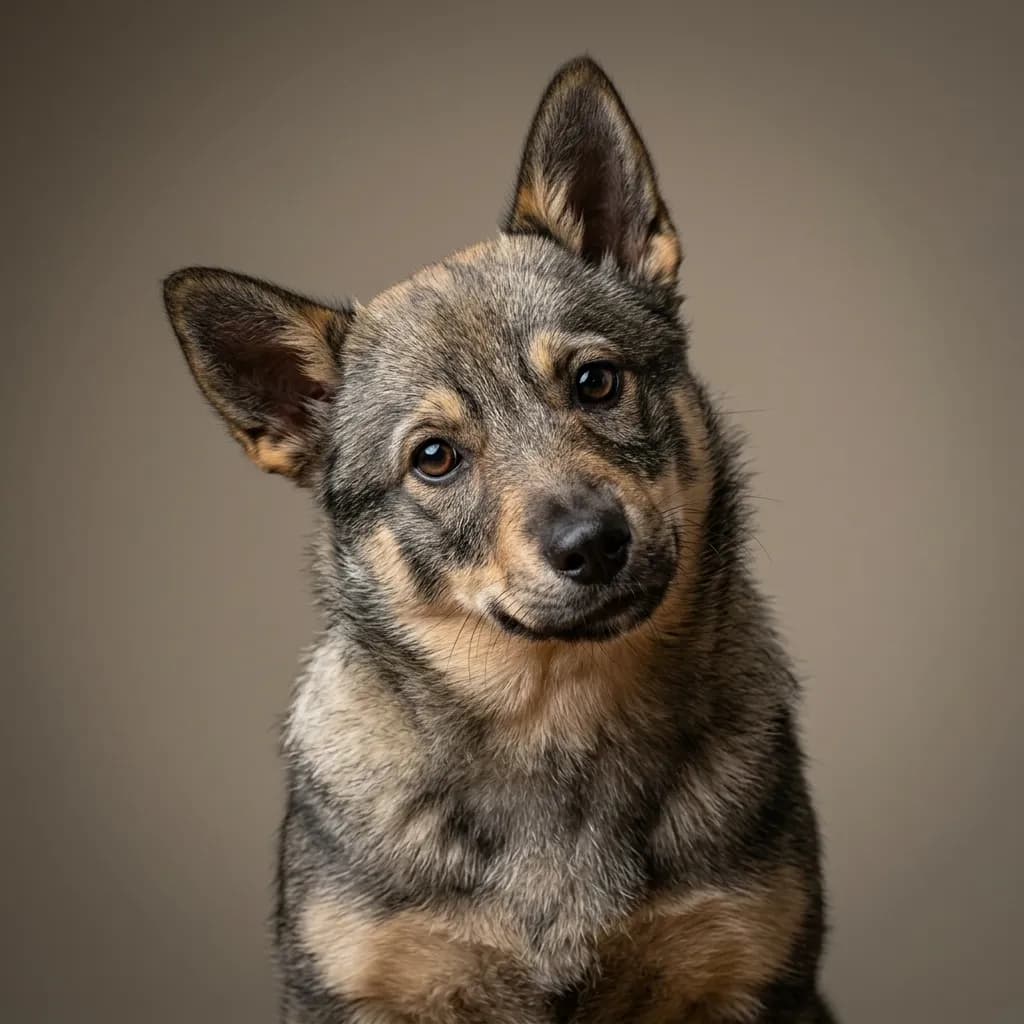
People compare Dutch Shepherds and Swedish Vallhunds because both are herding breeds with big personalities in athletic packages, but that’s where the similarities mostly end. One’s a lean, high-octane athlete built for serious work, the other’s a sturdy little Viking with a big-dog ego and a surprising turn of speed. The Dutch Shepherd is not for the faint of heart. At 75 pounds and built like a border patrol K-9, this dog needs a job. literally. You’ll need to feed its brain as much as its body. Think agility, obedience, tracking, or actual farm work. Without it, you’ll get a stressed, possibly destructive companion. They’re deeply loyal and affectionate with their people, but not the kind of dog who’ll happily nap on your lap all day. They’re watchful but not yappy, though their energy and intensity can overwhelm young kids. First-time owners? Save this breed for your second dog. The Swedish Vallhund, by contrast, is a family-friendly firecracker. At 30 pounds and about the size of a beagle, it’s adaptable to city life. if you commit to daily exercise. They bark more, shed more, and actually enjoy being part of the household chaos. Kids? They’ll herd them, sure, but they’ll also cuddle with them. They’re easier to manage in small spaces and less intense to train, though they’ll still outthink you if you’re not on your game. Here’s the real insight: the Dutch Shepherd thrives when it’s your partner in purpose. The Vallhund just wants to be your sidekick. Pick based on whether you’re leading a mission or sharing a life.
Trait-by-trait
Higher bar = more of that trait. Shedding, barking, drooling, grooming flipped for readability.Where they diverge
Choose the Dutch Shepherd if…
- Active individuals
- Experienced dog owners
- Police and military work
- You value watchdog / protective — Dutch Shepherd scores noticeably higher.
Choose the Swedish Vallhund if…
- Active families
- Dog sports enthusiasts
- First-time dog owners willing to train
- You value good with young children — Swedish Vallhund scores higher here.