Dutch Shepherd vs Tornjak
Side-by-side comparison across all 14 AKC trait ratings, with a clear verdict on which breed fits which kind of household.
Not sure which breed fits your life?
Answer five questions about your home, your schedule, and your tolerance for shedding. We’ll match you to your top three breeds from over 200.
Dutch Shepherd vs Tornjak
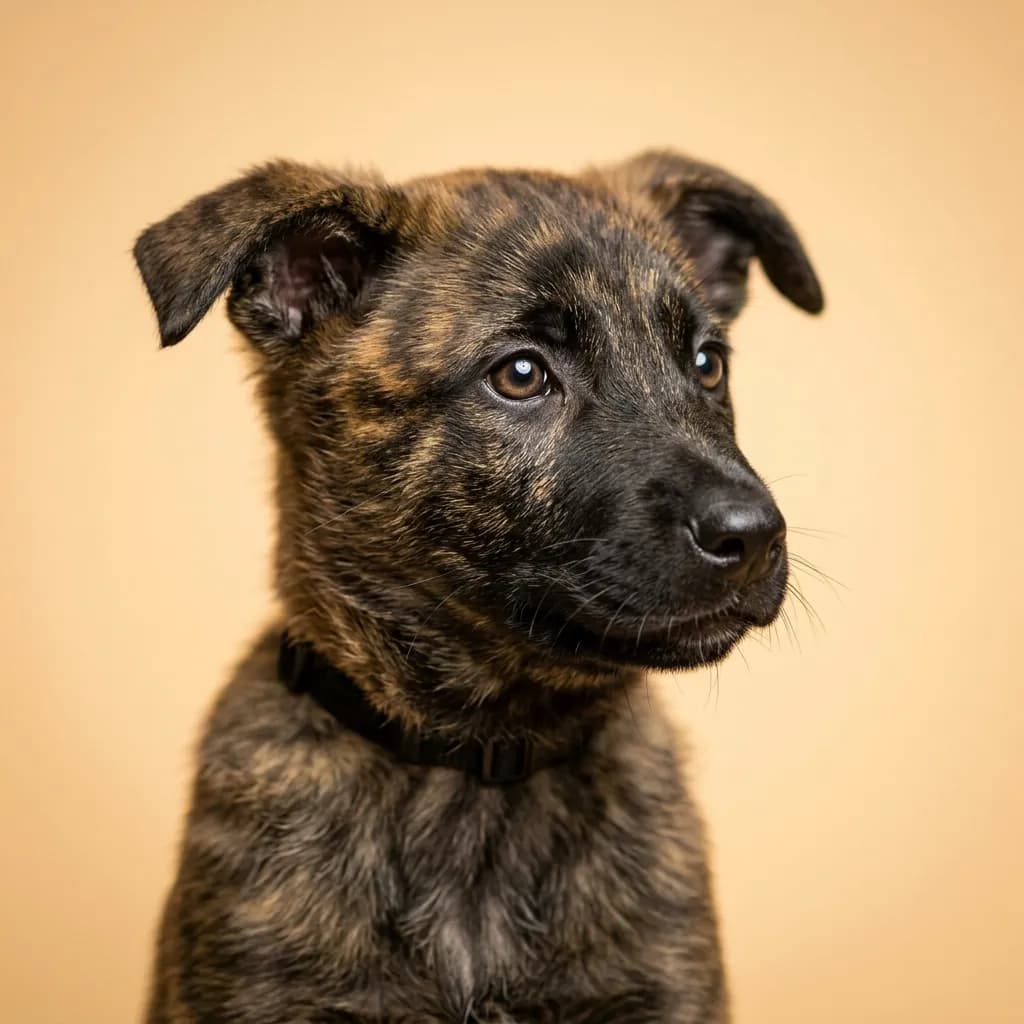
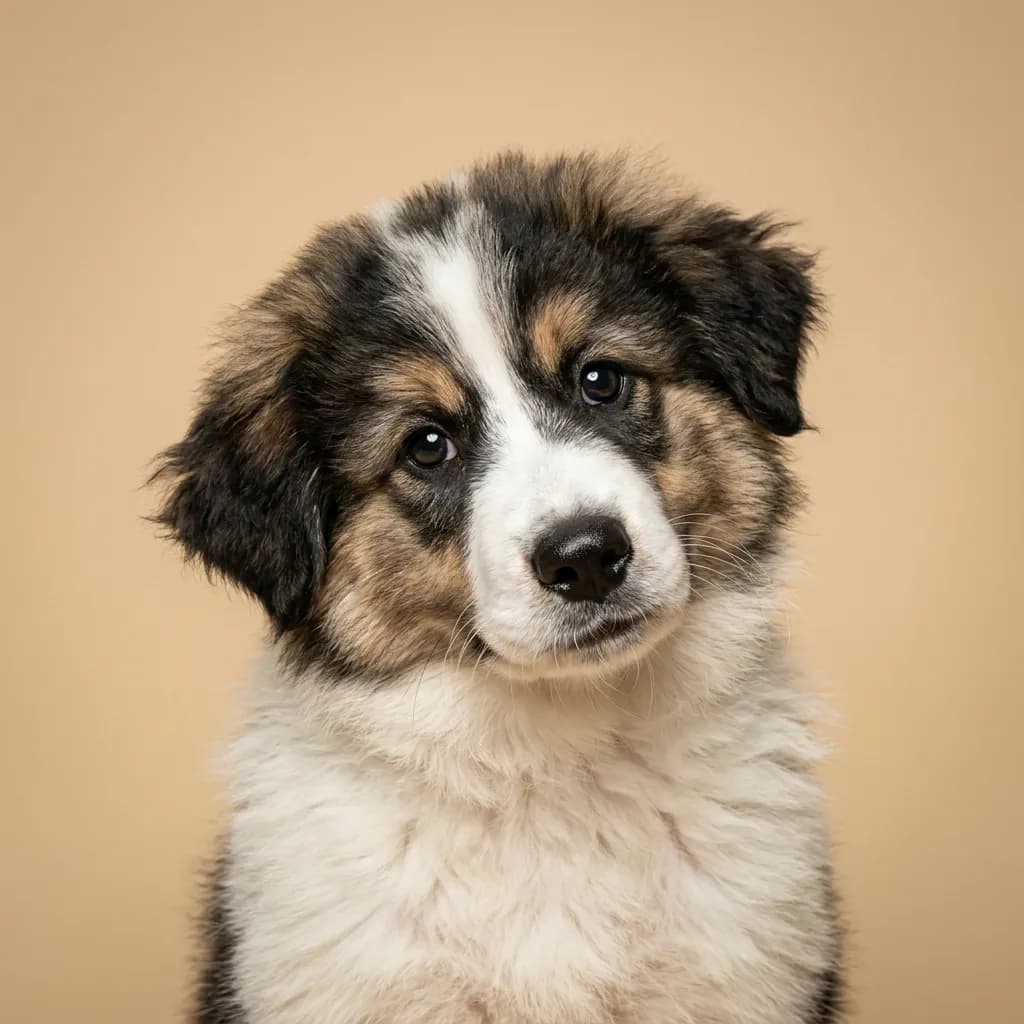
People don’t usually pit the Dutch Shepherd against the Tornjak unless they’re deep in the dog world and looking for something rugged, loyal, and outside the Labrador mainstream. They’re both rare, both working breeds, and both demand experience. But that’s where the similarities end. The Dutch Shepherd is a lean, wiry dynamo from the Netherlands, built for motion and mental fire. If you’re into agility, herding trials, or just need a canine partner who thrives on structure and challenge, this is your dog. They’re sharp, responsive, and need a job. literally. Without one, they’ll invent their own, usually involving your shoes or the neighbor’s cat. They’re not barkers, but they’re high-energy and need space to move. A sedentary home will break their spirit. The Tornjak, on the other hand, is a mountain-built guardian from the Balkans. Think fluffier, heavier, and built like a draft horse with loyalty wired into its DNA. They’re not built for speed or obedience rings. They’re built to patrol a 50-acre farm and stare down wolves. They’re calmer, more independent, and not as eager to please. Training takes patience. They bark when needed, shed year-round, and need cold weather to thrive. In a city apartment? Forget it. Here’s the real talk: the Dutch Shepherd bonds closely and wants to work with you. The Tornjak bonds and then decides he’s in charge of your property. whether you asked or not. Pick the Dutch Shepherd if you’re active, experienced, and want a dog that grows with you in skill. Choose the Tornjak if you’ve got land, livestock, and don’t mind a gentle giant who’s always on duty. One’s a co-pilot. The other’s a sentry.
Trait-by-trait
Higher bar = more of that trait. Shedding, barking, drooling, grooming flipped for readability.Where they diverge
Choose the Dutch Shepherd if…
- Active individuals
- Experienced dog owners
- Police and military work
- You value good with other dogs — Dutch Shepherd scores noticeably higher.
Choose the Tornjak if…
- Experienced large-breed owners
- Farm or rural settings
- Livestock guardian needs
- You value shedding level — Tornjak scores higher here.