English Foxhound vs Pudelpointer
Side-by-side comparison across all 14 AKC trait ratings, with a clear verdict on which breed fits which kind of household.

Not sure which breed fits your life?
Answer five questions about your home, your schedule, and your tolerance for shedding. We’ll match you to your top three breeds from over 200.
English Foxhound vs Pudelpointer
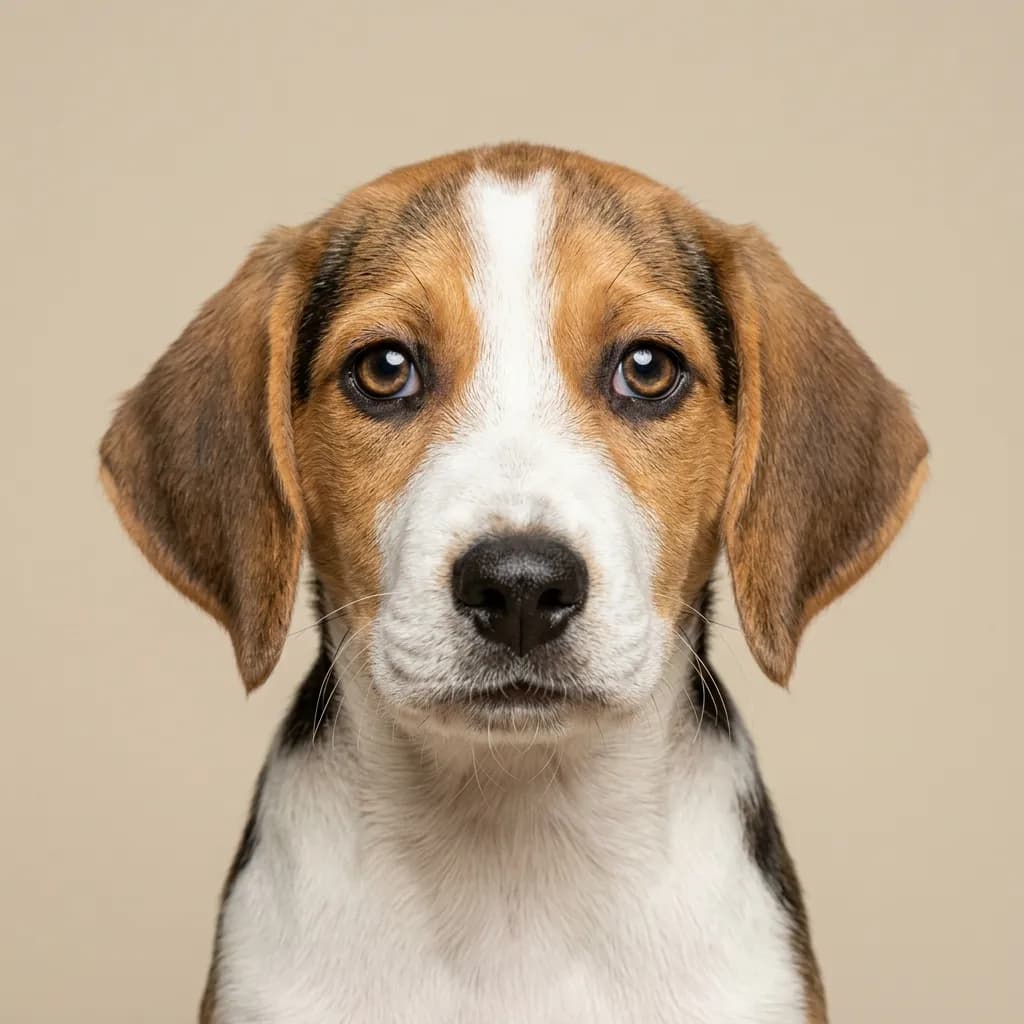
People compare English Foxhounds and Pudelpointers because both are serious hunting dogs with stamina, brains, and a need for purpose. But that’s where the similarities fade. If you’re torn between them, what you’re really choosing is pack energy versus precision partnership. The English Foxhound thrives in motion and in company. Bred to run for hours with a pack, this dog lives for rhythm, scent, and shared effort. They’re gentle and affectionate with kids and other dogs, but don’t mistake that sweetness for closeness. they’re not typically a velcro dog. Their baying is relentless, so rural life isn’t just ideal, it’s mandatory. You won’t hush a foxhound in full cry. The Pudelpointer, on the other hand, is a thinking partner. Created in Germany to be a single-dog hunter capable of pointing, tracking, and retrieving in all terrain, they bond tightly to their person. They’re quieter, more focused, and intensely trainable. 5/5 for a reason. But they’re not naturally drawn to kids like the Foxhound, and they demand a job. No hunting? You’ll need intense dog sports or long, structured adventures, or you’ll have a frustrated dog. Here’s the real difference: Foxhounds are built for the pack’s rhythm, Pudelpointers for the handler’s command. Pick the Foxhound if you’re part of a busy, active household with other dogs and open land. Choose the Pudelpointer if you’re a dedicated hunter or athlete who wants a sharp, responsive partner tuned to you. And here’s the unspoken truth: neither will be happy just lounging on a couch. But the Pudelpointer might give you side-eye when you try to.
Trait-by-trait
Higher bar = more of that trait. Shedding, barking, drooling, grooming flipped for readability.Where they diverge
Choose the English Foxhound if…
- Hunters and equestrian households
- Active families
- Rural environments
- You value good with young children — English Foxhound scores noticeably higher.
Choose the Pudelpointer if…
- hunters
- very active owners
- waterfowl and upland bird hunters
- You value drooling level — Pudelpointer scores higher here.