English Foxhound vs Siberian Husky
Side-by-side comparison across all 14 AKC trait ratings, with a clear verdict on which breed fits which kind of household.
Not sure which breed fits your life?
Answer five questions about your home, your schedule, and your tolerance for shedding. We’ll match you to your top three breeds from over 200.
English Foxhound vs Siberian Husky
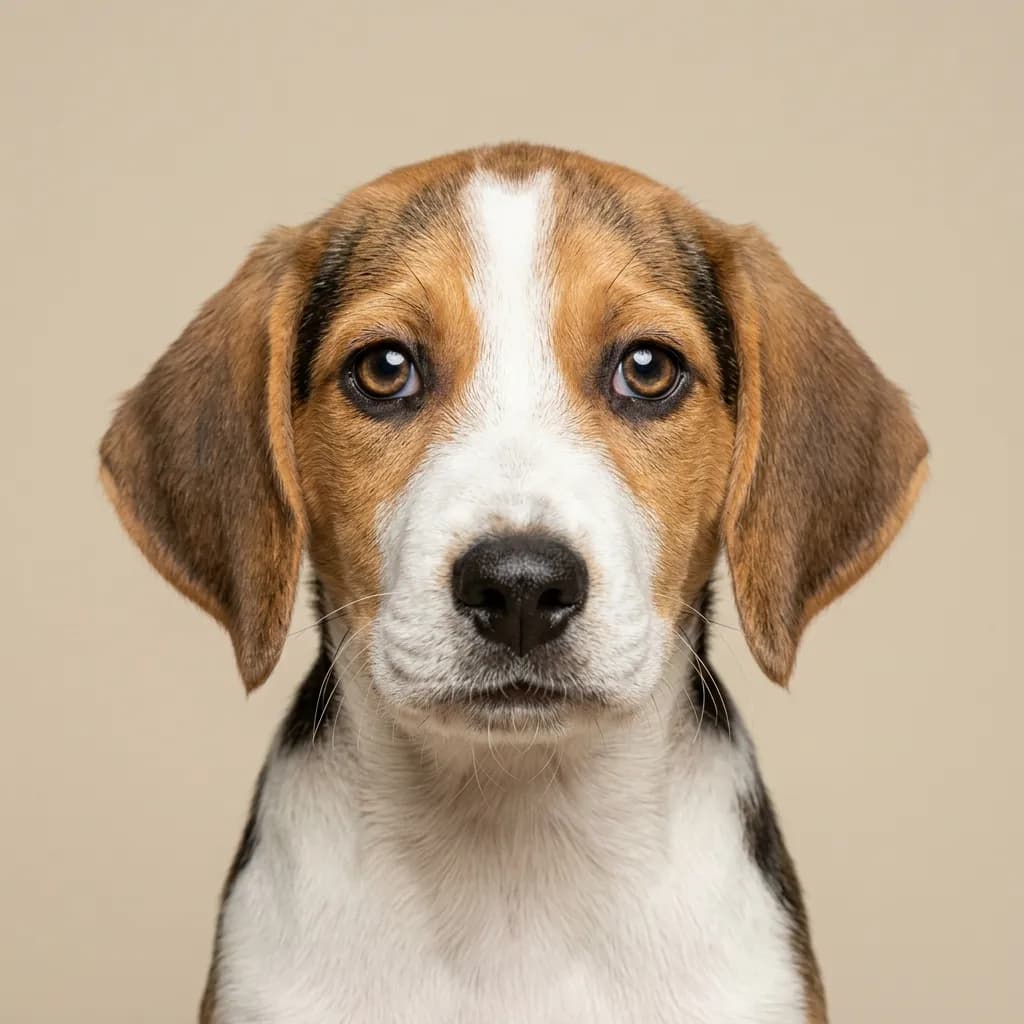
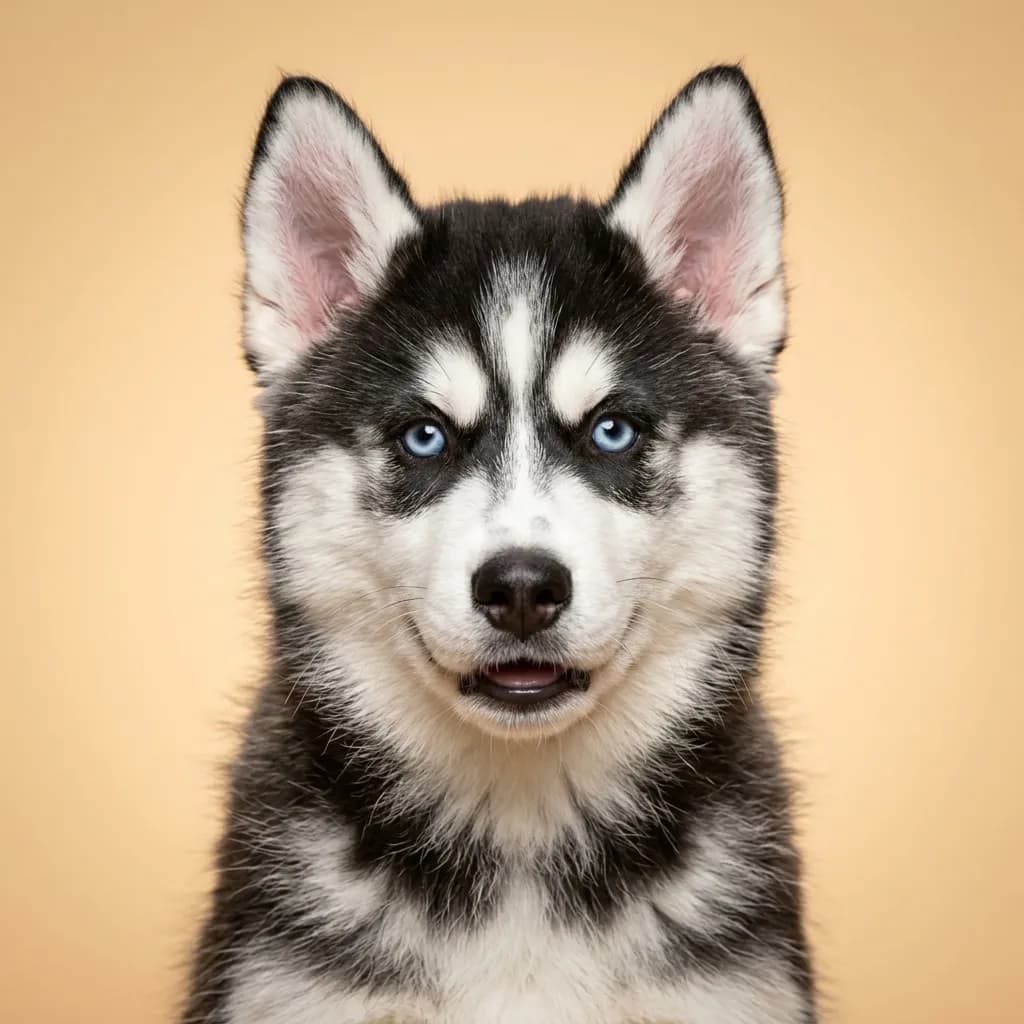
People compare English Foxhounds and Siberian Huskies because they’re both energetic, pack-oriented dogs with loud voices and a striking presence. On the surface, they seem like two sides of the same adventurous coin. But if you’re choosing between them, you’re really deciding what kind of chaos you’re ready for. The Foxhound is the social butterfly of the hound world. Bred to run for miles with a pack, these dogs thrive in rural homes where they can follow their nose across open fields. They’re affectionate and gentle with kids, yes, but they’re not the type to curl up on your lap after a long day. They’ll bark. constantly. and they need consistent training and space. Think of them as the reliable teammate in a hunting pack who just happens to live in your backyard. The Husky? That’s the free spirit with a one-way ticket to Chaos Town. They’re equally loud and love kids just as much, but their energy is more intense and their independence way higher. This isn’t a dog that listens because you asked nicely. They’ll outsmart you, escape your yard, and lead the neighborhood dogs on midnight adventures. But they’re also deeply loyal in their own aloof way, built for snow and endurance, not obedience. If you’re active with a farm or horses and want a sociable, trainable dog that fits into a multi-dog home, go Foxhound. If you’re in a cold climate, love dog sports, and can handle a Houdini with fur, the Husky’s your match. Here’s the real talk: neither will come when called in the wild. But the Foxhound might pause to see if the rest of the pack is following. The Husky won’t even remember your voice.
Trait-by-trait
Higher bar = more of that trait. Shedding, barking, drooling, grooming flipped for readability.Where they diverge
Choose the English Foxhound if…
- Hunters and equestrian households
- Active families
- Rural environments
- You value watchdog / protective — English Foxhound scores noticeably higher.
Choose the Siberian Husky if…
- Active owners who exercise daily
- Cold climate households
- Families with children
- You value shedding level — Siberian Husky scores higher here.