English Foxhound vs Tornjak
Side-by-side comparison across all 14 AKC trait ratings, with a clear verdict on which breed fits which kind of household.
Not sure which breed fits your life?
Answer five questions about your home, your schedule, and your tolerance for shedding. We’ll match you to your top three breeds from over 200.
English Foxhound vs Tornjak
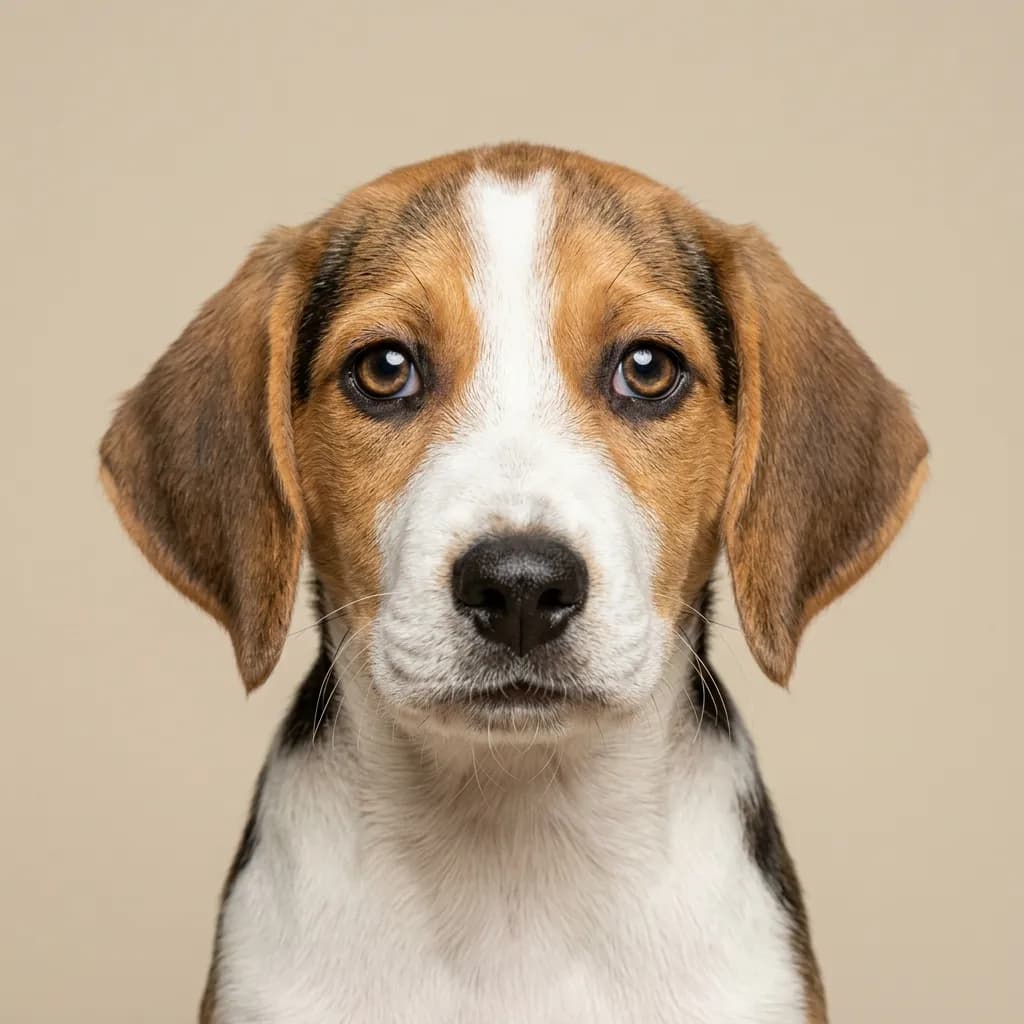
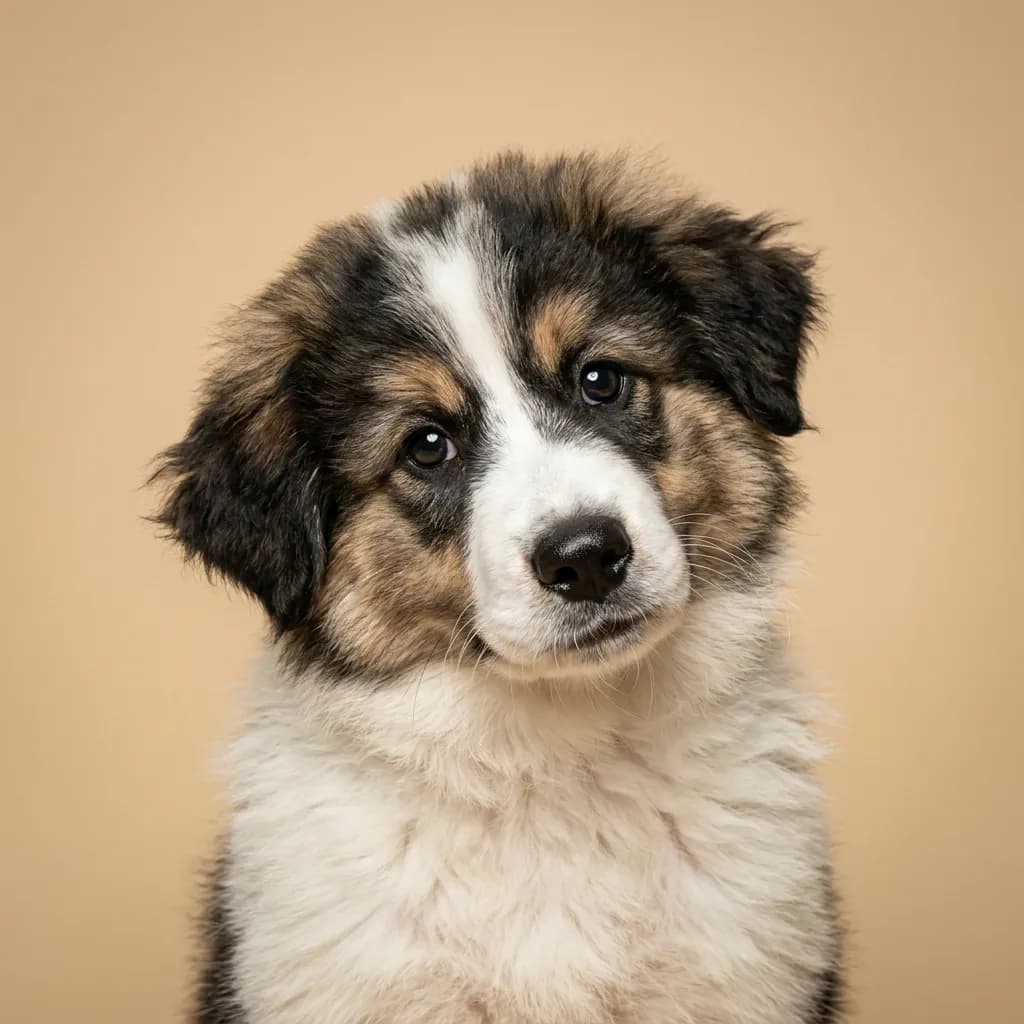
People usually stumble on this comparison when they’re hunting for a loyal, family-friendly large dog with a touch of old-world charm. Maybe they love the idea of a noble guardian or a devoted pack member. But here’s the thing: the English Foxhound and Tornjak come from entirely different jobs, and that shapes everything. The Foxhound was built for motion. Imagine acres of English countryside, a pack baying in unison, chasing fox across hills for hours. That’s their heartbeat. They’re gentle, goofy, and remarkably good with kids, but they need space and activity. You’ll get a dog that’s highly sociable with people and other dogs, yes but one that’ll ignore your recall if a scent hits. They thrive in active rural homes, especially where they can run with other dogs. Apartments? Don’t even consider it. The Tornjak, on the other hand, is a quiet watcher. Bred to guard flocks in the rugged Balkans, they’re independent, naturally wary of strangers, and happiest on a large property where they have a job. They’re affectionate with family but not clingy. They’ll tolerate kids but aren’t playful partners like the Foxhound. Their thick coat sheds heavily and hates heat. This isn’t a dog for beginners. You need experience handling strong, protective breeds. Here’s what the data won’t tell you: the Foxhound’s biggest flaw isn’t stubbornness, it’s heartbreak. They bond deeply with their pack and can become distressed when isolated. The Tornjak’s surprise? They’re often surprisingly gentle with small animals they’re raised with, despite being guardians. Pick the Foxhound if you want a joyful, social athlete. Pick the Tornjak if you need a stoic protector and know how to lead.
Trait-by-trait
Higher bar = more of that trait. Shedding, barking, drooling, grooming flipped for readability.Where they diverge
Choose the English Foxhound if…
- Hunters and equestrian households
- Active families
- Rural environments
- You value good with other dogs — English Foxhound scores noticeably higher.
Choose the Tornjak if…
- Experienced large-breed owners
- Farm or rural settings
- Livestock guardian needs
- You value watchdog / protective — Tornjak scores higher here.