English Setter vs Siberian Husky
Side-by-side comparison across all 14 AKC trait ratings, with a clear verdict on which breed fits which kind of household.
Not sure which breed fits your life?
Answer five questions about your home, your schedule, and your tolerance for shedding. We’ll match you to your top three breeds from over 200.
English Setter vs Siberian Husky
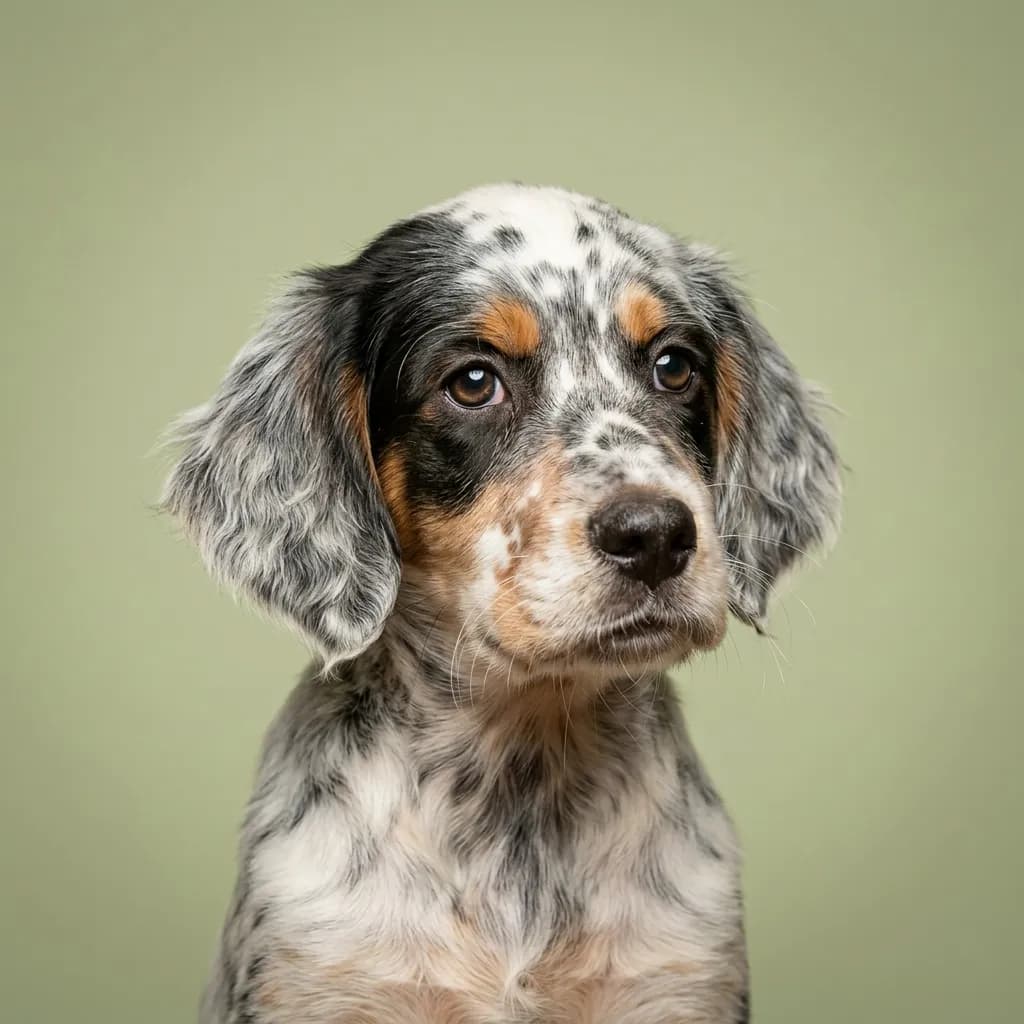
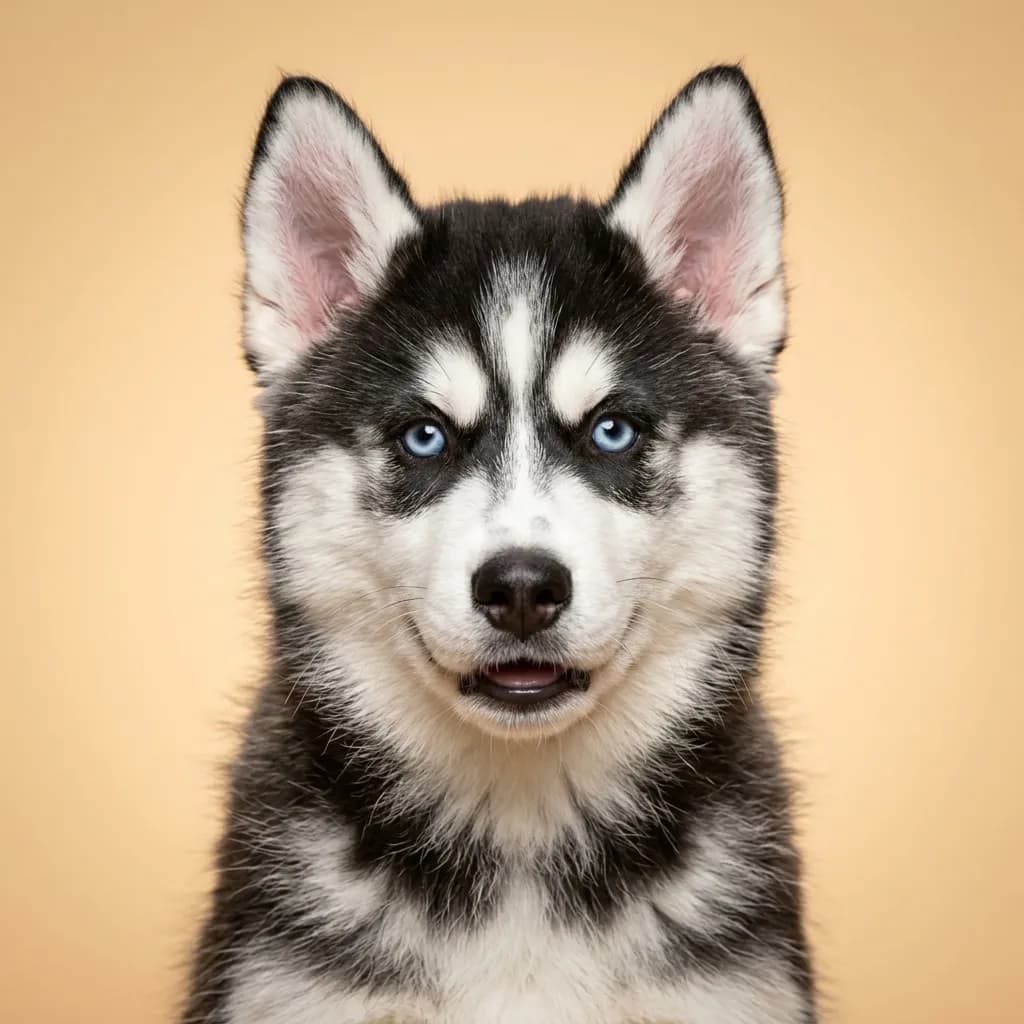
You’re probably comparing an English Setter and a Siberian Husky because they’re both striking, medium to large dogs with a certain wild grace. one looks like a watercolor painting come to life, the other like a wolf that’s seen blizzards. They’re friendly, energetic, and great with kids, so on paper they seem like variations of the same theme. But that’s where the surface ends. The real difference? Purpose. The Setter was bred to move quietly through fields, finding birds and freezing in point. elegant, focused, responsive. That means they’re tuned to their person, eager to please, and trainable with consistency. They thrive in homes where someone’s around, someone walks, someone grooms that feathery coat weekly. They’re not hyper, but they need engagement. mental and physical. The Husky was built to run 50 miles in -40°F, pulling a sled with a team, ignoring distractions. That’s why they’re tougher to train. They’re not stubborn out of spite. they’re just wired to make decisions independently. That independence turns into mischief if they’re bored. You’ll need a yard with a buried fence, daily runs, and the patience to accept that “coming when called” is more of a suggestion. If you live in Texas and work 12-hour days, skip the Husky. If you want a dog that greets every walk like it’s a grand adventure but won’t chew through your front door alone, the Setter’s your bet. Here’s the thing no one says: Huskies aren’t escape artists because they hate you. They’re escape artists because they were born to roam. And if you don’t give them a job. literally, a job. they’ll invent one for themselves. Like dismantling your garage.
Trait-by-trait
Higher bar = more of that trait. Shedding, barking, drooling, grooming flipped for readability.Where they diverge
Choose the English Setter if…
- Active families
- Hunters
- Homes with a yard
- You value drooling level — English Setter scores noticeably higher.
Choose the Siberian Husky if…
- Active owners who exercise daily
- Cold climate households
- Families with children
- You value energy level — Siberian Husky scores higher here.