English Toy Spaniel vs Porcelaine
Side-by-side comparison across all 14 AKC trait ratings, with a clear verdict on which breed fits which kind of household.

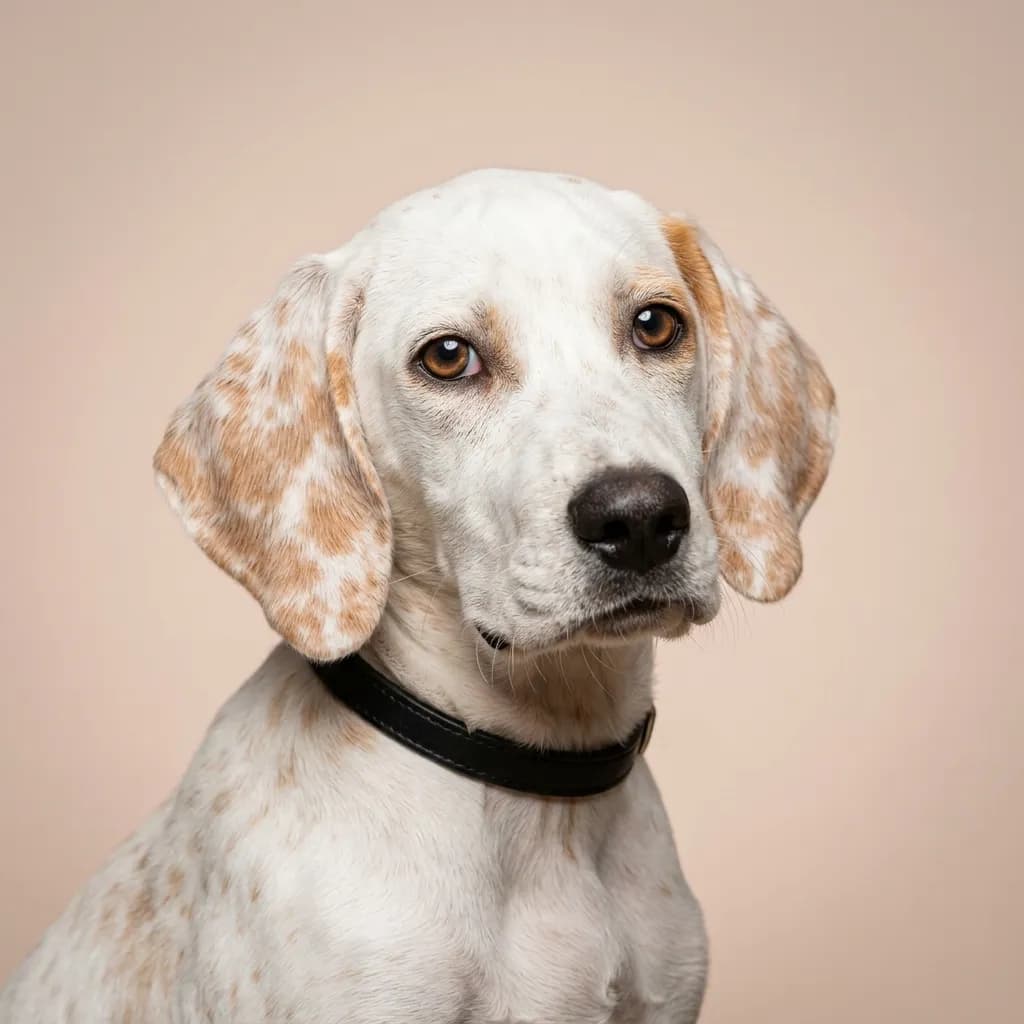
Not sure which breed fits your life?
Answer five questions about your home, your schedule, and your tolerance for shedding. We’ll match you to your top three breeds from over 200.
English Toy Spaniel vs Porcelaine
You’re probably not comparing an English Toy Spaniel and a Porcelaine because you’re torn between them. You’re doing it because you love one end of the dog spectrum and accidentally stumbled upon the other. Maybe you saw a spaniel curled on a velvet pillow in a palace painting and then later watched a sleek hound vanish into the woods on a hunting documentary. These dogs exist in completely different worlds. The English Toy Spaniel is a living heirloom, bred for centuries to be a silent, affectionate lap ornament for royalty. At 10 pounds and under 11 inches, they’re built for couches, not trails. They’re sweet, calm, and adaptable, thriving with retirees or quiet couples. But they’re brachycephalic, so hot weather is dangerous, and their heart and knee issues mean you’ll likely face vet bills down the line. The Porcelaine, meanwhile, is built like a finely tuned hunting machine. At 60 pounds and over 20 inches, this French scenthound lives to run forests, track game, and work in packs. They’re intelligent and trainable, yes, but they need jobs and space. They’re friendly with kids, but not because they want to cuddle. they’re more likely to knock a toddler over by accident while chasing a squirrel. If you live in a city apartment or just want a devoted little shadow, the Spaniel fits. If you hunt, hike daily, and have a yard that backs into woods, the Porcelaine might surprise you with loyalty and grace. Here’s the real talk: the Porcelaine’s calmness at home fools people. They look like they’ll settle in, but without serious mental and physical work, they’ll turn your garden into a dig site and your nerves into frayed ends. This isn’t a pet. It’s a partnership.
Trait-by-trait
Higher bar = more of that trait. Shedding, barking, drooling, grooming flipped for readability.Where they diverge
Choose the English Toy Spaniel if…
- Apartment living
- Retirees
- Singles and couples
- You value coat grooming — English Toy Spaniel scores noticeably higher.
Choose the Porcelaine if…
- hunters
- active rural owners
- pack hound enthusiasts
- You value good with strangers — Porcelaine scores higher here.