Eurasier vs Otterhound
Side-by-side comparison across all 14 AKC trait ratings, with a clear verdict on which breed fits which kind of household.

Not sure which breed fits your life?
Answer five questions about your home, your schedule, and your tolerance for shedding. We’ll match you to your top three breeds from over 200.
Eurasier vs Otterhound
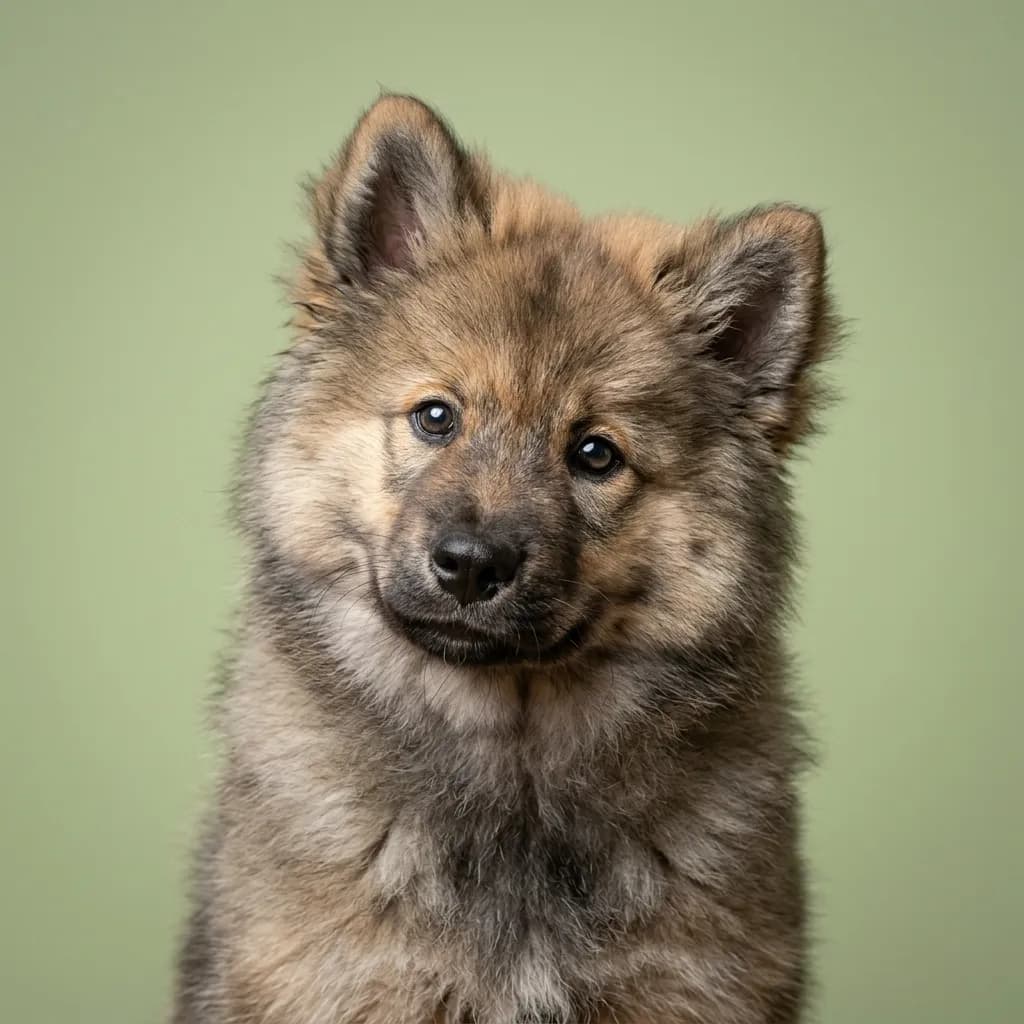
You’re not going to find many people lining up to choose between a Eurasier and an Otterhound, but if you’re here, you’re probably drawn to rare breeds with old-school charm and a little quirk. Both are dignified in their own way, but that’s where the similarity ends. Think of the Eurasier as the quiet philosopher of the dog world. reserved, thoughtful, emotionally in tune with its family. It’s the dog that sits by the window during snowfall, leans into your leg just enough to remind you it’s there, and thrives in a predictable, gentle home. This isn’t a dog that demands attention. It earns it, slowly and sincerely. Now picture the Otterhound. a shaggy, boisterous bear of a dog that smells like wet earth and riverbank after a rainstorm. It’s loud. Not just the bark. though yes, it will announce every passing squirrel. but its whole presence. It drools. It tracks mud. It’s built like a draft horse with a motor that won’t quit. But it’s also deeply affectionate in a slobbery, full-body wiggle kind of way. This is a dog that wants to be your partner in adventure, even if that adventure is just a 5-mile hike through swampy woods. The real difference? Control versus chaos. The Eurasier needs emotional stability and calm; it won’t thrive with yelling or inconsistency. The Otterhound? It’s got a mind of its own. trainable, yes, but only if you accept that he might choose to ignore you if a scent trail looks interesting. Here’s the honest truth: the Eurasier is a dog you grow into. The Otterhound is a dog you survive. and love all the more for it. Pick the Eurasier if you want harmony. Pick the Otterhound if you don’t mind your life being gloriously, wonderfully messy.
Trait-by-trait
Higher bar = more of that trait. Shedding, barking, drooling, grooming flipped for readability.Where they diverge
Choose the Eurasier if…
- families seeking a calm companion
- homes with children
- experienced but patient owners
- You value good with young children — Eurasier scores noticeably higher.
Choose the Otterhound if…
- Active families
- Rural settings
- Outdoor and swimming enthusiasts
- You value good with strangers — Otterhound scores higher here.