Eurasier vs Slovensky Cuvac
Side-by-side comparison across all 14 AKC trait ratings, with a clear verdict on which breed fits which kind of household.
Not sure which breed fits your life?
Answer five questions about your home, your schedule, and your tolerance for shedding. We’ll match you to your top three breeds from over 200.
Eurasier vs Slovensky Cuvac
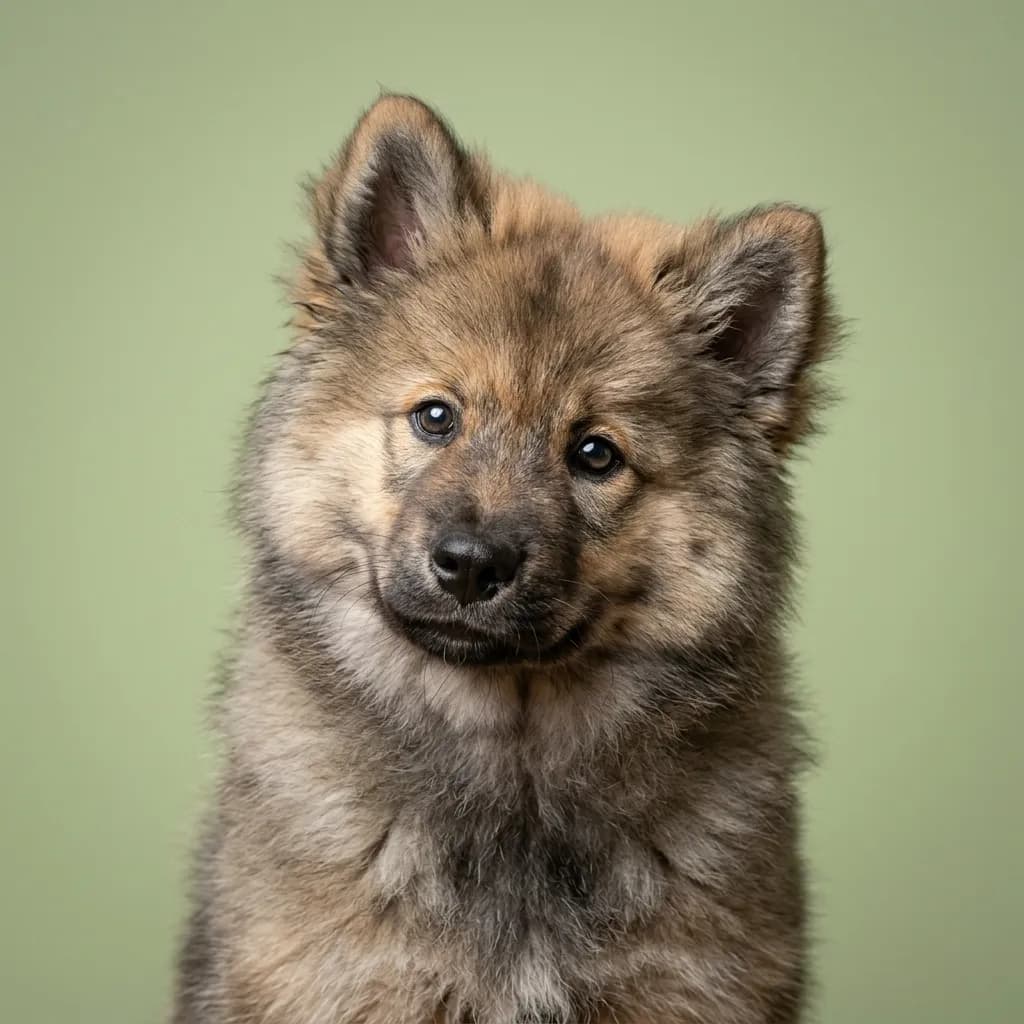
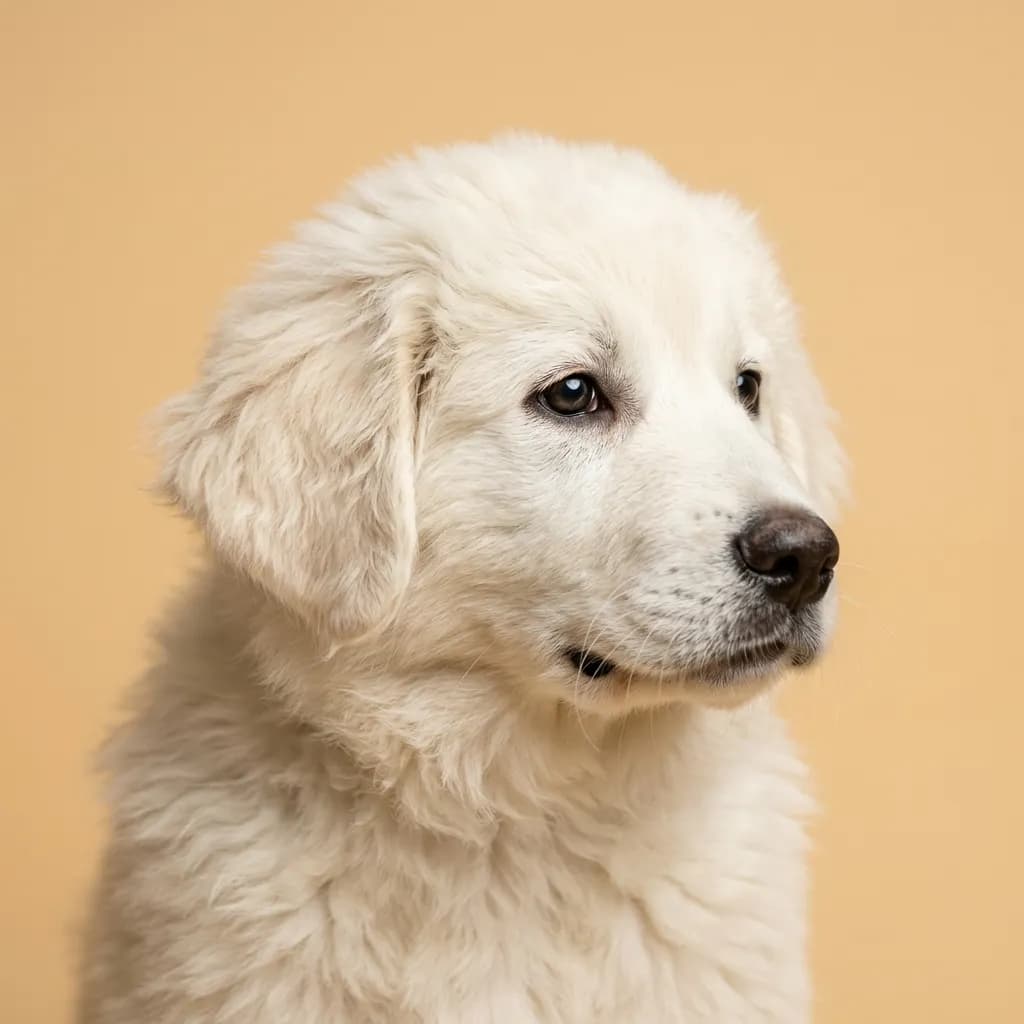
People compare the Eurasier and Slovensky Cuvac because both are rare, white-coated, spitz-type dogs from Europe with calm demeanors and thick double coats built for cold weather. At a glance, they look like cousins. But their hearts beat to very different rhythms. The Eurasier is the quiet philosopher of the family dog world. Developed in Germany as a balanced companion, it’s emotionally tuned-in, moderately active, and forms deep bonds with its people. It thrives in a structured home with kids and routines, eager to please but sensitive to tone. You’ll find it curled up after a long walk, not on patrol. It wants to be part of your life, not in charge of it. The Slovensky Cuvac, on the other hand, was born on mountain slopes guarding flocks. It’s bigger, heavier, and built like a fortress. 68 pounds minimum, with a coat that sheds heavily and a silence that speaks volumes. It barks little, which is critical for a livestock guardian that can’t afford to alert predators. But that calm reserve isn’t laziness. It’s vigilance. This dog watches. It decides who belongs. It won’t warm to strangers quickly, and it won’t adapt to apartment living or chaotic schedules. If you’re a first-time owner wanting a gentle, trainable family dog, the Eurasier fits like a glove. But if you’ve got land, experience with independent breeds, and need a loyal sentinel in cold climates, the Cuvac carves its own niche. Here’s the real talk: the Eurasier needs emotional consistency. The Cuvac needs a job. even if that job is just guarding your backyard from squirrels. Without purpose, the Cuvac doesn’t sulk. It makes its own rules. And good luck unmaking them.
Trait-by-trait
Higher bar = more of that trait. Shedding, barking, drooling, grooming flipped for readability.Where they diverge
Choose the Eurasier if…
- families seeking a calm companion
- homes with children
- experienced but patient owners
- You value barking level — Eurasier scores noticeably higher.
Choose the Slovensky Cuvac if…
- experienced large-breed owners
- farms and large properties
- cold climates
- You value watchdog / protective — Slovensky Cuvac scores higher here.