Field Spaniel vs Pudelpointer
Side-by-side comparison across all 14 AKC trait ratings, with a clear verdict on which breed fits which kind of household.
Not sure which breed fits your life?
Answer five questions about your home, your schedule, and your tolerance for shedding. We’ll match you to your top three breeds from over 200.
Field Spaniel vs Pudelpointer
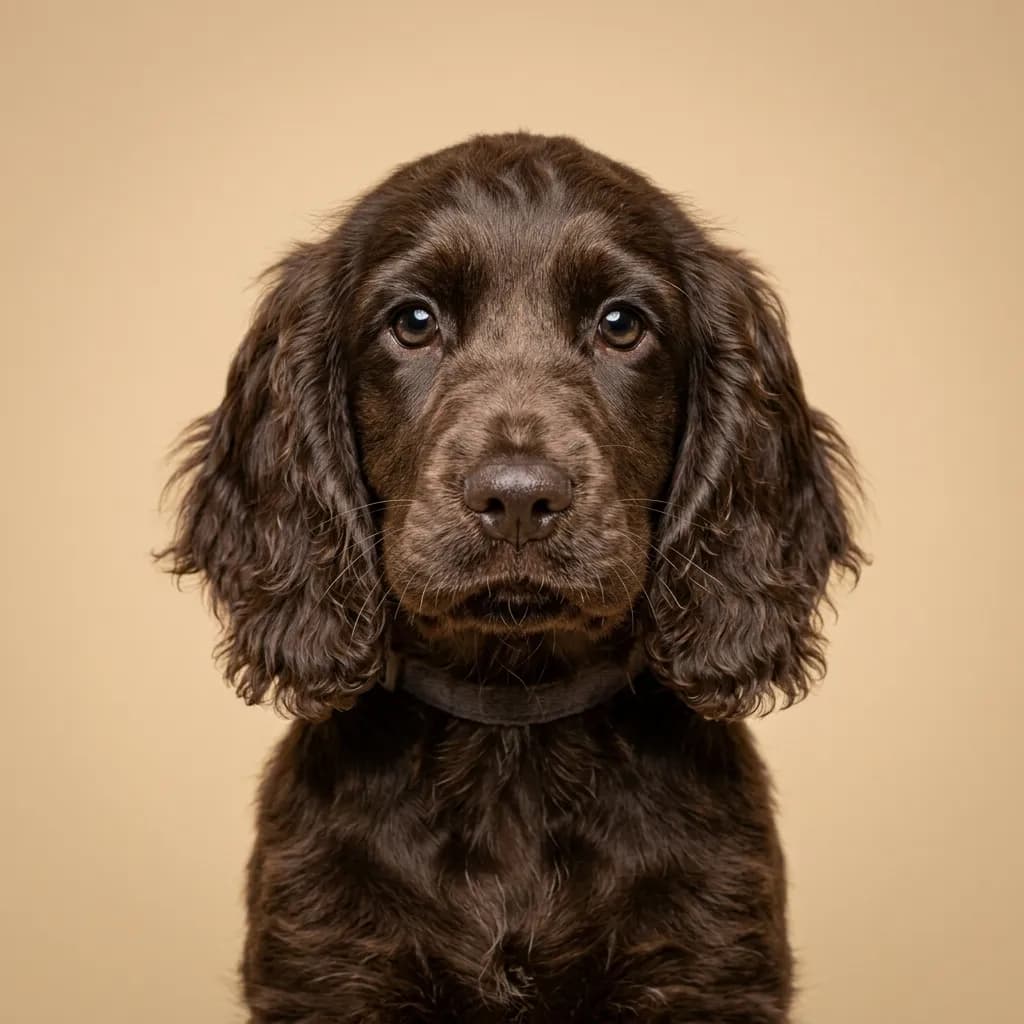
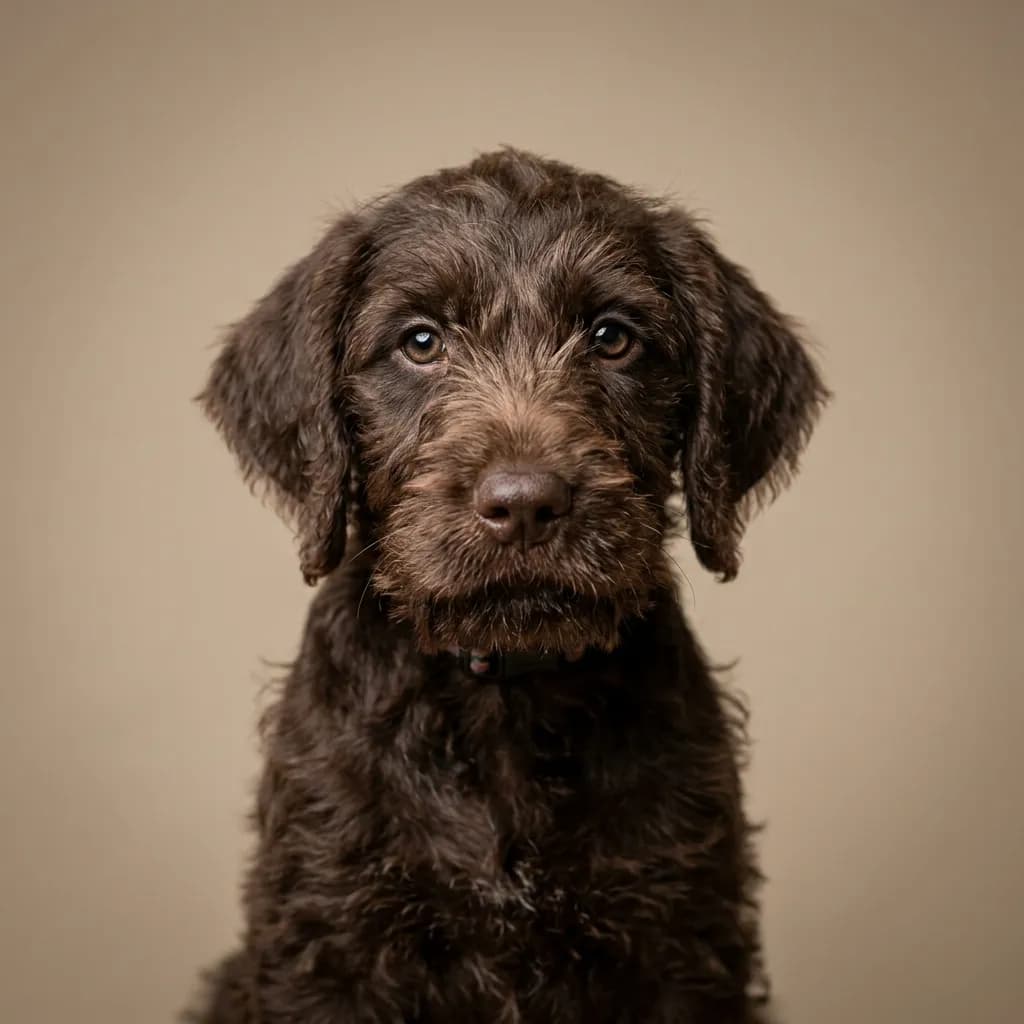
People compare Field Spaniels and Pudelpointers because both are versatile hunting dogs with soft mouths and a love for water, but that’s where the similarities mostly end. You’re not just choosing between two gun dogs. You’re deciding what kind of life you’ll actually live together. The Field Spaniel is the quiet, affectionate thinker of the pair. At 17 inches and under 50 pounds, it fits neatly into a suburban life. if you’re out hiking or playing in the yard daily. It’s sweet, deeply bonded to kids, and easy to train, but it needs consistency. Skip grooming and you’ll battle tangles and ear infections; skip mental engagement and it’ll start chewing your slipper out of boredom. It’s a homebody with a hunter’s heart, scoring high on affection and adaptability but needing more emotional sensitivity from you. The Pudelpointer? It’s a driven athlete disguised as a calm companion. Bred in Germany to point, retrieve, and track in any terrain, it’s larger, stronger, and built for 12-hour days in the field. At 22. 26 inches and up to 70 pounds, it’s not just bigger. it’s mentally wired for constant challenge. It’s friendly, yes, but not as naturally tuned to kids. It thrives with hunters who hunt, or at least train like they do. Without serious physical and mental work, it gets restless and sharp. Here’s the real difference: the Field Spaniel will adjust to your life, as long as you move. The Pudelpointer will demand you adjust to its needs. If you don’t hunt or train seriously, the Pudelpointer becomes a high-powered car in city traffic. frustrating for both of you. But if you’re out in the brush every weekend, the Pudelpointer isn’t just better. It’s in its element.
Trait-by-trait
Higher bar = more of that trait. Shedding, barking, drooling, grooming flipped for readability.Where they diverge
Choose the Field Spaniel if…
- Active families
- Hunters
- Homes with a yard
- You value good with young children — Field Spaniel scores noticeably higher.
Choose the Pudelpointer if…
- hunters
- very active owners
- waterfowl and upland bird hunters
- You value drooling level — Pudelpointer scores higher here.