Finnish Spitz vs Siberian Husky
Side-by-side comparison across all 14 AKC trait ratings, with a clear verdict on which breed fits which kind of household.
Not sure which breed fits your life?
Answer five questions about your home, your schedule, and your tolerance for shedding. We’ll match you to your top three breeds from over 200.
Finnish Spitz vs Siberian Husky
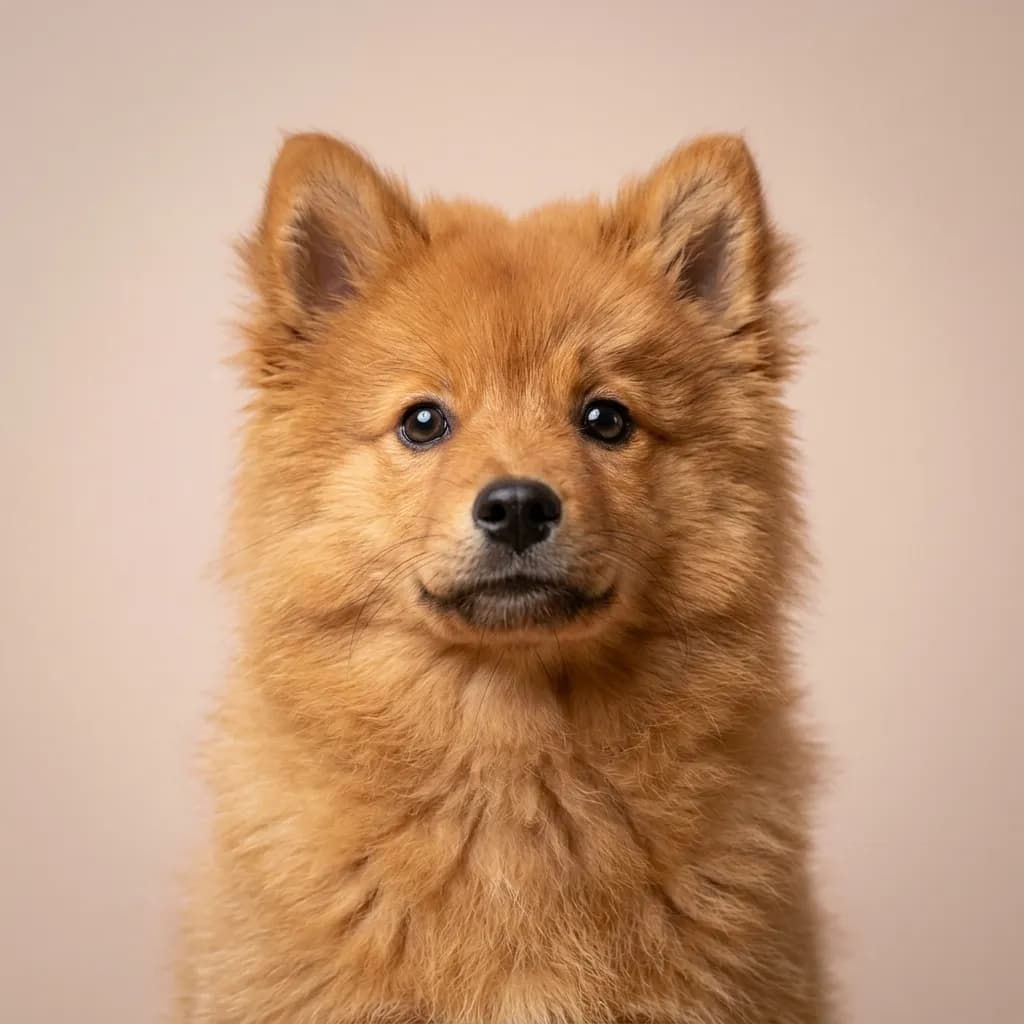
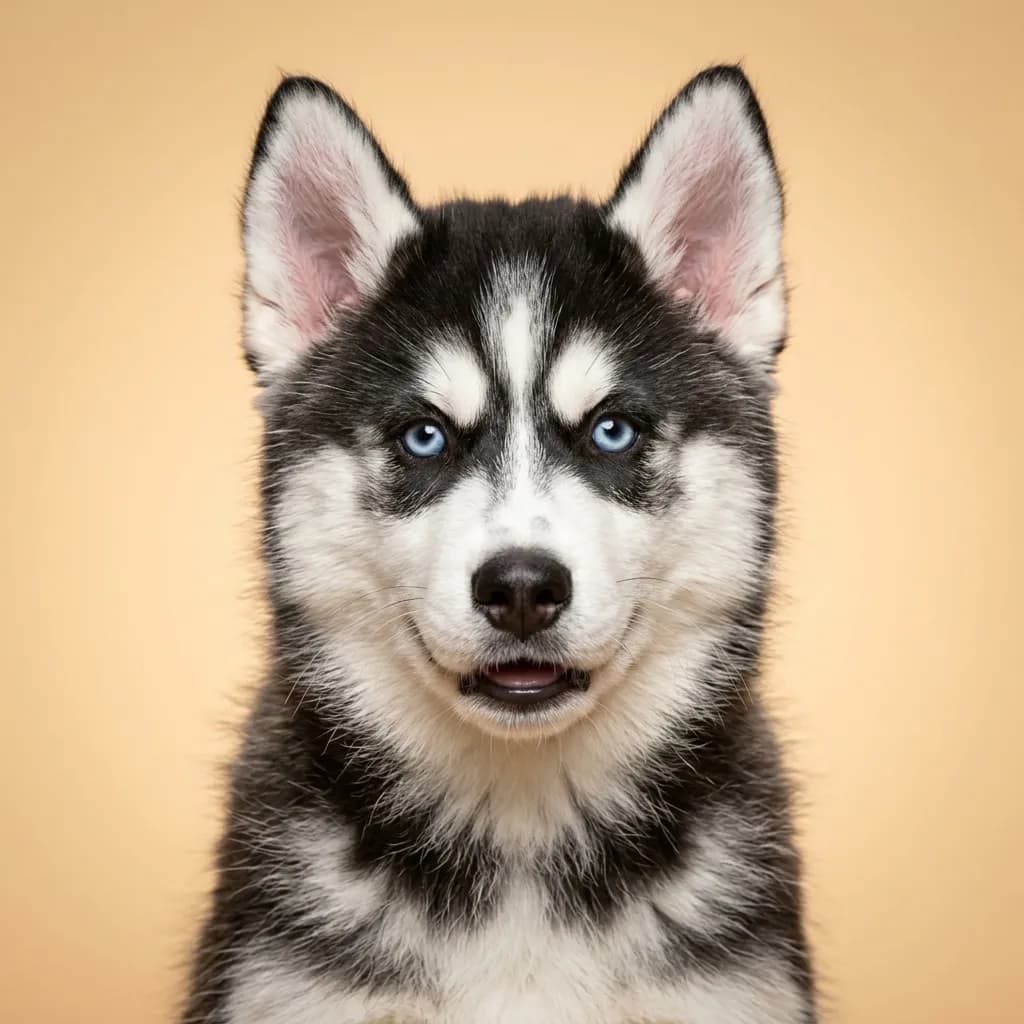
People compare Finnish Spitz and Siberian Huskies because they both look like foxes in a snow globe. fluffy, alert, and built for winter. They’ve got that wild, striking appearance and endless energy, so it’s easy to assume they’re two sides of the same coin. But if you’re choosing between them, you’re really picking between a hunting companion and a sled dog. and that difference runs deep. The Finnish Spitz is smaller, around 20 to 33 pounds, and was bred to locate birds and small game in dense forests, then bark to signal the hunter. That means it barks. A lot. It’s not just noise; it’s purposeful. You’ll get a lively, affectionate dog that bonds with the whole family and thrives on engagement. But if you live in an apartment or hate constant commentary on squirrels, this won’t work. The Siberian Husky is built for endurance. Heavier, stronger, and bred to pull sleds across frozen tundra, he needs serious daily exercise. He’s mischievous and independent, with a wanderlust so strong you’ll need a six-foot fence and a secure recall (and even then, good luck). He’ll shed more, especially in spring, and while he’s gentle with kids, he’s not the type to stay close off-leash. Here’s the real insight: the Finnish Spitz wants to work with you. he’s your partner in adventure. The Husky wants to work despite you. He’s loyal, but on his terms. If you want a dog that’ll alert you to every rustle in the woods and bond tightly with older kids, go Finnish Spitz. If you’re into dog sports, winter activities, and don’t mind fur on everything, the Husky’s your guy. Just don’t expect either to come when called in an open field.
Trait-by-trait
Higher bar = more of that trait. Shedding, barking, drooling, grooming flipped for readability.Where they diverge
Choose the Finnish Spitz if…
- Active owners
- Families with older children
- Cold climates
- You value watchdog / protective — Finnish Spitz scores noticeably higher.
Choose the Siberian Husky if…
- Active owners who exercise daily
- Cold climate households
- Families with children
- You value good with strangers — Siberian Husky scores higher here.